Showing posts with label dentist in delhi. Show all posts

Wednesday, 10 August 2022

What to do if you have a dental emergency


We all know what to do in the event of a medical emergency; we can go to the nearest hospital and go to your emergency service. But, in the event that you suffer a dental emergency, what should you do?

It is clear that the ideal is to be able to go to the best dentist in Pitampura as soon as possible, but we give you some advice on what to do in the most common cases.

Severe tooth or tooth pain

Are you suddenly experiencing pain in your teeth? This could help you:

  • Rinse your mouth with lukewarm water.
  • Pass dental floss very carefully between the molars in which you have discomfort, in case you have any leftover food. Be very careful with the gums.
  • In no case use a sharp object to extract what you have between your teeth.

This pain may be from a chipped or cracked tooth; if that’s the case, talk to the best dentist in Pitampura so they can recommend the right solution.

This pain can also be due to bruxism. If that is the case, make an appointment with your dentist in Pitampura, because you will need a discharge splint.

Swelling of the face

It can be due to many causes, including a dental, bone or gum infection, so it is important that you see a dentist in Pitampura as soon as possible.

We recommend that you:

  • try not to lie down
  • Drink plenty of fluids, since by staying hydrated you can avoid possible complications in the future.

Loss of a tooth

The most important thing is that you go to a dentist in Pitampura as soon as possible. Before coming to the consultation:

  • Grab the tooth by the crown, and don’t touch the root.
  • Rinse it with water, or soak it in milk (so it won’t lose moisture)
  • Go to the dentist within an hour.
  • You can try to put it in its place but be very careful when doing it. Still, go to the dentist in Sarswati Vihar afterwards.

Abscess

An abscess is an infection of the inner substance of the tooth that usually indicates that the tissue is weakened.

It’s diagnosed with an x- ray, but if you have sensitivity to hot and cold, or pain when chewing, you may have one.

In this case, the only solution is to go to your dentist in Sarswati Vihar to make a diagnosis and determine the treatment (usually an antibiotic).

There are also abscesses on the gums, which are identified as small yellow, red or whitish pimples. It will also be necessary to take an x-ray and take antibiotics.

Biting of the tongue or lip

It doesn’t usually trigger any serious conditions, but it can be painful.

We recommend that you clean the area with water and gently apply pressure to the wound with gauze. If it continues to bleed after a few minutes, seek professional help.

Orthodontic wounds

In some cases, in which patients are undergoing orthodontic treatment, they may suffer discomfort or injuries caused by the brackets.

In most cases it is due to some tip of the wires of the brackets, which rubs against the gums. In those cases, you can cover the tip with gauze or a small piece of cotton.

Bleeding in the mouth

If you detect blood in the mouth, it can be due to different causes:

  • If you see blood on your toothbrush or floss, it may be due to overly aggressive brushing, or possible gingivitis / periodontitis. If it is recurring, see your dentist in Sarswati Vihar.
  • If you detect blood in the saliva, it could be different oral conditions and we recommend that you see a specialist as soon as possible.
  • If you have bleeding after a tooth extraction or surgery, you can put gauze pads on the wound and apply pressure for about 20 minutes. If it doesn’t stop, go to your dentist in Rani Bagh or the emergency room.

Despite the recommendations, in all cases we suggest that you contact a dentist in Delhi as soon as possible. In the case of a dental emergency in Pitampura, you can go to our dental clinic in Pitampura, where we will offer you personalized treatment and suggest the best solution for your specific case.

Saturday, 16 May 2020

Dental Malocclusion: Causes, Consequences and Treatment

Malocclusions

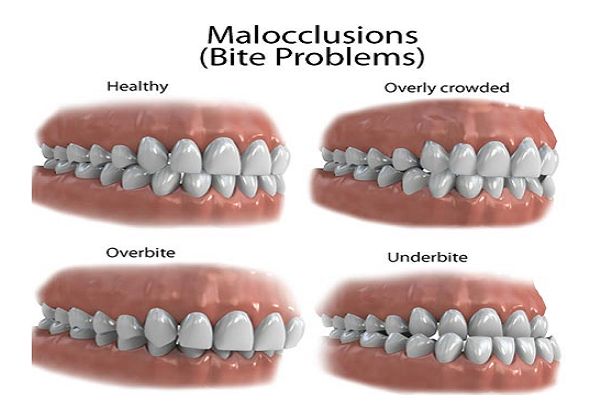
What does the aesthetics of a smile refer to? In addition to the color of the teeth and the health of the gums, we must not forget to have a correct occlusion. The bite, known as dental occlusion, refers to the alignment of the teeth or, in other words, the relationship established between the upper and lower teeth. Conversely, the causes of a malocclusion may have certain consequences for the development of the teeth, jaw, and even the face, explains the best dentist in Delhi.

Correct Dental Occlusion

A perfect dental occlusion is said to be very difficult to find. We can say that a dental occlusion is optimal when the molars and premolars of both arches have perfect contact with each other when the mouth is closed, and the upper incisors cover the lower ones, supporting each other properly, says the dentist in Delhi.

The malocclusion (or abnormal bite), on the other hand, appears when for one reason or another, it does not respect that contact. It is enough that a single tooth is not in correct relationship with those around it to reach malocclusion.

Causes of Dental Malocclusion

The causes of dental malocclusion can be divided into general and local causes.

General causes

General causes include:
  • Hereditary causes (such as the shape of the jaws)
  • Genetic syndromes (e.g. Down syndrome, Turner etc.)

Local causes

The local causes are many and depend on a variety of factors.
  • One of them could be the disproportion between the size of the maxilla and the teeth.
That is, if a child's jaw is very small, his teeth may become crowded. An example of this would be when the extraction of a baby tooth (caused by caries or trauma) at the dental clinic in Rani Bagh, and the neighboring teeth take their place. Later when that permanent tooth comes out it won't have enough space.
  • Another possible cause could be the disproportion between the maxilla and mandible.
If the maxilla is larger than the jaw, the upper teeth may grow larger than the lower teeth, leading to an overbite. Otherwise, when the jaw is larger, the lower teeth cover the upper teeth, which is called the anterior crossbite.
  • Other causes
Other factors that lead to malocclusion are the habit of sucking, whether during prolonged breastfeeding, of the finger, tongue, lip or pacifier and also bruxism.

The mouth breathing associated with adenotonsillar hypertrophy or allergic rhinitis can also be causes of malocclusion, explains the dentist in Rani Bagh.

Symptoms and Signs of Malocclusion

Dental-Malocclusions

The most typical signs of malocclusion are mainly aesthetic due to dental crowding or an abnormal bite (upper or lower overbite) with visible consequences on the face.

On the other hand, mild malocclusions do not produce any type of symptoms. However, the bass can affect bite, chewing, speech, or eating problems, says the dentist in Saraswati Vihar.

Consequences of Malocclusion

Although a large number of malocclusions do not seriously affect health, they should be treated during adolescence so as not to distort the appearance of the teeth and the shape of the face in the future. We are not only talking about functional but also aesthetic consequences that could lead to psychological and emotional problems such as lack of self-esteem, anxiety or depression, says the dentist in Delhi.

In severe cases, the functionality of the teeth, mouth or jaw could be affected since malocclusion could cause difficulty chewing certain foods and proper cleaning cannot be carried out. From here periodontal diseases appear, such as gingivitis or periodontitis and/or dental caries, warns the best dentist in Delhi.

Likewise, if the teeth are misaligned and there is not a correct bite, the temporomandibular joint disorder (TMJ) develops, accompanied by severe pain and the inability to open the mouth sufficiently.

Finally, a malocclusion can lead to conditions at the cranial level (migraines, headaches, etc.) or the spinal column, states the best dentist in Pitampura.

Treatment of Malocclusion

The orthodontist in Pitampura is the one in charge of treating the malocclusion. Before starting treatment, the orthodontist will need to conduct a case study with:
  • Questions about current health status.
  • Examine both teeth and tissues.
  • Dental X-rays and photos (extraoral and intraoral).
  • Intraoral scanner to carry out the digital impression, preview the movements of the teeth and also the duration of the treatment.

Depending on the type of malocclusion, traditional brace orthodontics may be recommended by the best orthodontist in Pitampura (do not worry because there are different aesthetic types from which you can choose) for a period of 2 years (or more) or invisible orthodontics.

Wednesday, 4 March 2020

DENTAL STAINS: ORIGIN AND PREVENTION

Dental-Stain

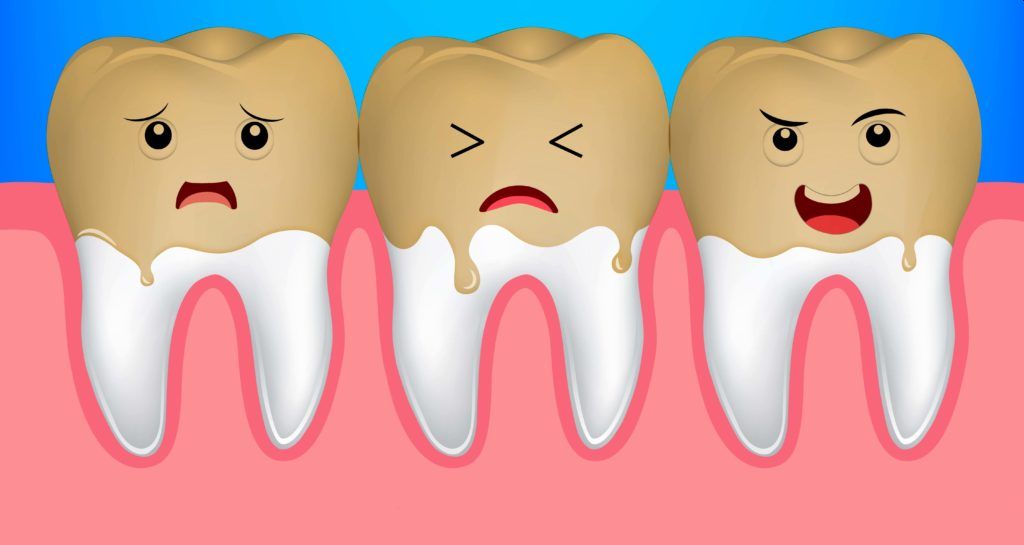
Surely you have always wanted to wear a bright white smile, but you have annoying dental stains that prevent it.

Our teeth may have different shades depending on factors such as natural wear, food or beverage dyes or improper oral hygiene.

Would you like to have them whiter? The best dentist in Delhi gives you some recommendations for you to get it. Do not miss it!

What types of dental stains exist?

There are several types of dental stains, and some are easier to remove than others. According to their typology, they can be:
  • Superficial stains: those that are found in the spaces between the teeth or on the surface of cracked pieces. They usually have a brown colour and are usually produced by the intake of food and colour drinks (coffee, tea, soft drinks...). They also appear for tobacco use. They can be removed with teeth whitening in Pitampura.
  • Intrinsic stains: they are in the dental structure itself and are usually gray. They have different causes: genetics, diseases, medications, etc... and are difficult to remove.
  • Soft deposits: they are normally white and settle on the outside of the enamel. The main cause is the accumulation of bacterial plaque in the mouth.

According to their colour, they are classified into:
  • Brown spots: they are the most common, and are produced by the consumption of tobacco, alcohol, coffee or tea. All these products alter the balance of the bacterial flora and favour the formation of plaque. They are usually the easiest to eliminate.
  • White spots: they can be caused by several causes, from poor nutrition, even as a result of tooth decay or excess fluoride during childhood. They are usually complex to remove.
  • Yellow spots: they are mostly linked to the consumption of acidic foods or some medications (tetracyclines).

How can I avoid the appearance of stains on the teeth?

We can take some preventive measures to avoid, as much as possible, that spots appear on our teeth:
  • Always brush your teeth after eating and drinking (especially if it's coffee or tea). If you can use an electric brush, floss and mouthwash, the better.
  • If you can't brush your teeth, rinse your mouth as soon as you finish eating or drinking.
  • Use toothpaste with a little teeth whitener.
  • Use a drinking straw to avoid contact of the liquid with the teeth.
  • Visit your dentist in Delhi regularly (every 6 months) to perform a dental prophylaxis.
  • Avoid the consumption of tobacco, coffee, tea, wine, soft drinks and food with too much colour.

I have stains on my teeth; How can I remove them?

As we have seen before, dental stains have different origins and causes and, depending on what type your dentist in Rani Bagh can propose the right treatment for you.

We recommend that you make an appointment at the dental clinic in Rani Bagh so that we can assess your specific case.

In general, some of the treatments that are usually carried out to remove dental stains are:

Dental prophylaxis

It is the easiest and fastest treatment, with which you can get rid of the easiest stains to remove such as those caused by tobacco or coffee. This is a dental cleaning, about 50 minutes long, which also includes cleaning with a special paste and a bicarbonate air-polisher.

Teeth whitening

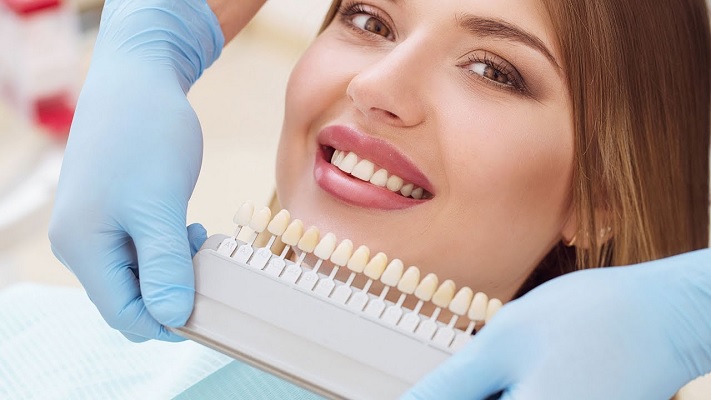
Thanks to a teeth whitening treatment in Delhi, you can remove the most complex stains and wear an even more radiant smile. We recommend a combination of treatment at home and in the clinic (with cold light lamp)

Veneers

Depending on the type of stains, these may not disappear with the treatments discussed above, and the only solution may be the use of dental veneers in Delhi. They can be porcelain or composite, and give very good results.

Thursday, 27 February 2020

Dental Caries: Types and Treatment

Caries

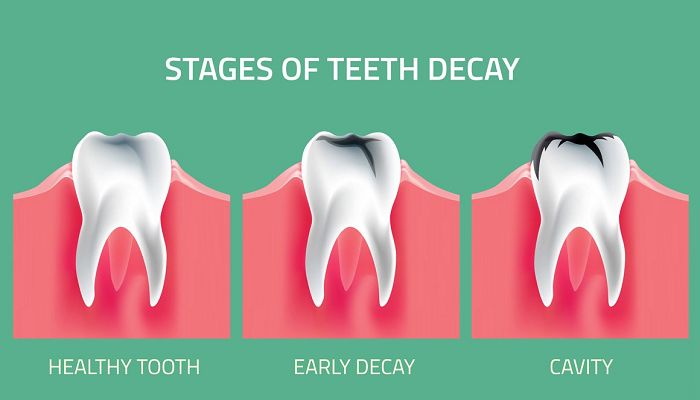
Dental caries is the gradual disintegration of dental tissues due to the incidence of bacteria that lodge on its surface. The destruction of the teeth by caries action is mostly given by the lifestyle, that is; In hygiene habits, the food we eat, the toothbrushes and toothpastes we use - or, we DO NOT use - and even the hereditary line can play a role in the sensitivity of tooth decay, explains the best dentist in Delhi.

Although children are more likely to get tooth decay because of their weakness in dairy - candy and also because the enamel layer is thinner.

Adults can also run the same risk especially if there is excessive consumption of caffeine and cigarettes.

To explain this, there are several types of dental caries that can affect people of different ages:

Types of dental caries

Crown caries: these are the most common type of caries. It can be visualized on the chewing surface, or between each of the teeth. It affects both children and adults.

Root caries: over the years, the gums are modified becoming less and less resistant, they gradually retract what the tooth root exposes and since they do not have an enamel coating, they are more susceptible to caries.

Recurrent caries: proliferate greatly on the crowns, since in these areas dental plaque accumulates more strongly.

In all these cases the level of severity is almost the same. If cavities are not treated in time, the next thing that happens is that they will end up damaging the teeth from the inside to the outside. Within that period the so-called abscesses (infection at the root of the tooth) can be formed. For these cases the only viable treatments are surgery, and endodontics (Root Canal Treatment in Rani Bagh).

Causes

In adults, a disorder that can lead to tooth decay is dry mouth. This disorder can be caused by the consumption of medications or by radiation therapy treatments in cancer patients.

Dental caries can be aggravated according to the patient. If oral care is minimal, the next thing that happens is that the person experiences an increase in the number of cavities.

When dental plaque is formed and it is not eliminated with good hygiene habits, cavities get stronger. It is advisable to have an annual consultation or twice a year with the dentist in Rani Bagh to prevent gum disease, enamel loss and tooth decay.

The types of caries can be identified by the dentist with the use of X-rays at the dental clinic in Rani Bagh.

Causes of tooth decay

The formation of caries is progressive, it is given according to the habits of each person. That said, then some of its causes are mentioned:

Plate Formation:
It is a thin transparent mantle that covers the denture, it is created with the excessive consumption of sugary foods and drinks combined with poor oral hygiene, two aspects that if they come together lead to the formation of tartar that accumulates in the bases of the gums as a strong barrier that hinders the destruction of the bacteria that cause many oral diseases.

Plaque Attacks:
The acidic elements that make up the dental plaque destroy the enamel minerals, causing erosion of the teeth. By crossing this first barrier, the bacteria form a chorus around the dentin, a thinner layer that is not very resistant to acids. The dentin is designed to house tiny ducts that connect it to the nerve of the tooth causing extreme sensitivity to food temperatures and flavors.

Continuous Destruction:
The critical stage in the progress of caries is when they happen to enter the inside of the tooth where the “pulp” is located or what is equal the amount of vessels and nerves, in this period the person experiences a greater degree of pain and inflammation due to the spread of the infection throughout the tooth.

Treatment

The treatment is subject to the phase in which cavities are found, so it is essential to have a consultation every so often to avoid problems of major caries.

When it is an initial caries, the specialist removes the affected area with the help of tools and places a filling in the treated area.

On the other hand, if tooth decay has invaded the dental pulp, the dentist in Delhi proceeds to perform a root canal treatment, getting rid of the nerve.

And for the most critical cases, the dentist can remove the affected tooth and replace it with a piece that suits the patient.

Hygiene is a key point in the prevention of dental caries. Brushing your teeth properly and after eating food and before going to sleep is the first step to attack the root problem, avoiding the accumulation of plaque and oral diseases.

Replacing the toothbrush every two or three months is another way to create a protective barrier on the teeth, this prevents the proliferation of bacteria on the bristles of the brush, and after a while it wears out and loses its function.

Choose a good fluoride toothpaste, as well as flossing and mouthwashes.

Avoid consuming sugary foods and drinks excessively. In addition, it is not recommended to eat them between meals as this exposes the tooth to the acid in the bacteria. That's why it's better to consume them outside of meals and brush your teeth after that.

The next step to prevent tooth decay is the custom of attending the dentist in Delhi at least once or twice a year.

This also depends on the recommendation made by the specialist. With a premature diagnosis, the need to have to undergo major treatments that can lead to extensive processes and higher costs is avoided.

Monday, 10 February 2020

What are dental veneers? What are they for? What are the advantages and disadvantages?

Dental-Veneers-in-Delhi

Dental veneers are one of the most recurrent dental beauty treatments. That's why, in today's post, the best dentist in Delhi is going to tell you what they are, what they're for, how they're placed, and what their pros and cons are.

What are dental veneers?

The dental veneer is a small, thin sheet of porcelain usually, although it can also be of other materials such as composite, which adheres to the front of the tooth to mask or cover problems.

Dental veneers, also known as dental facets or aesthetic veneers, are aesthetic reconstructions of porcelain (or composite) aimed at improving the external image of the denture, since they allow to visually modify the shape, brightness, color and mask various oral pathologies, explains the dentist in Delhi.

There are several types of dental veneers in Delhi, but the most well-known or used are:
  • Composite dental veneers: This is a non-invasive treatment, as these are made directly on our teeth, applying the material on the visible part and shaping it until the desired appearance is achieved. That is, layers of composite are added to the surface of the tooth. In addition, for placement it is not necessary to carve the tooth, making it possible for them to be placed without the need for anesthesia.
  • Porcelain dental veneers: This is a thin sheet of porcelain that is placed on the visible part of the tooth. Its functionality is to modify the appearance of the tooth in color, shape and brightness. In addition, they are resistant and allow to eat normally.

What are dental veneers for?

Dental veneers are an ideal choice in situations where the original teeth have a dark color and irregular shapes.

They are also a good choice for fractured teeth, gaps between the teeth and for some situations where the position of the teeth is compromised and there are minor problems related to occlusion.

For some people, surface stains don't respond well to tooth whitening. In these situations, a porcelain veneer may also be the best option.

That is why dental veneers have as their main function the dental aesthetic, since they allow to coat the dental parts making see a perfect denture.

But, yes, it is not a solution to oral health problems, since it is only an aesthetic treatment that masks but does not solve those problems, says the dentist in Delhi.

How are veneers placed?

Unlike the holsters or crowns, where the reduction of healthy tooth tissue is very aggressive, to place veneers a slight spraying of the front enamel of the tooth will be enough to allow the adhesion of the dental veneer. So it is a much more conservative treatment.

Once the veneers are attached to the tooth, the tooth-veneer assembly acquires a fracture resistance comparable to that of an intact tooth. So, we could understand, that a ceramic dental veneer is the synthetic substitute for tooth enamel.

Before we start the dental aesthetic treatment, we perform a study of the aesthetics of your mouth that is according to the rest of your facial physiognomy. To do this we use photographs, technological applications such as Digital Smile Design and models of your mouth.

So we can show you a very approximate result of your final smile before we start.

Then we will only need 2 sessions for the placement of the veneers:
  1. First session: Once the treatment to be carried out has been agreed between the dentist in Rani Bagh and the patient, the preparation of the teeth and the molding of the mouth is carried out in order to make the veneers. On this same visit, a temporary veneers will be placed to avoid the deterioration of the preparation of the teeth.
  2. Second session: On this second visit to our dental clinic in Rani Bagh the dental veneers are attached one by one on the patient's teeth.
What are the pros and cons of dental veneers?

Unlike everyone, let's start with the drawbacks or disadvantages of aesthetic veneers, so that after reading the advantages a better taste of the mouth will be ;)

Inconveniences of dental veneers
  • Dental sensitivity: You may feel a little tooth sensitivity for the first few days after your treatment, as your teeth have been prepared to adhere to cosmetic veneers.
  • In case of breakage, wear or deterioration: If the damage is small, it can be repaired and modified. But in case there is a lot of damage, it is advisable to change the dental veneer. But for this to happen is very unusual.
Few inconveniences, huh?

Advantages of dental veneers
  • Natural and beautiful appearance: Being thin layers that are placed on the vestibular surface of the anterior teeth, they provide a natural and very beautiful appearance. In addition, with porcelain veneers, a natural glow is returned to the tooth.
  • Biocompatible material: Dental veneers are often made from biocompatible materials. This means that they are materials tolerated very well by the dental and non-dental tissues of our mouth.
  • Correction of alterations: These help correct alterations in the size, color and shape of the teeth. It can improve the color of teeth, may be an alternative treatment to orthodontics for mild tooth malposition and may help improve tooth size.
  • Highly resistant: Aesthetic veneers are very resistant and the patient's customs or habits are not altered by their placement.
  • It's a treatment with a very short process.

Friday, 24 January 2020

Basic tips before getting a Dental Implant

Although more than 80% of implants placed continue to function properly after 15 years, from the dental clinic in Rani Bagh they insist that the patient should follow some advice before deciding to have a dental implant.

Currently, dental implants are among the most reliable surgical techniques of all those performed in human beings. Despite this reliability, from the dental clinic in Saraswati Vihar, they insist that patients have to follow some basic tips that will help them choose the most suitable center and have some knowledge of what the surgical intervention they will undergo will be.

What should you know about dental implants?
They are metallic elements that are surgically placed in the jaws below the gums, restoring the lost dental parts. The implant fuses with the jaw bone, providing stable support for artificial teeth. An advantage of this procedure is that it does not require the wear of adjacent parts, explains the dentist in Delhi.

Dental implants act as substitutes for dental root. They are the basis on which crowns or prostheses can settle to replace teeth that have been lost. Although this is the ultimate goal, it is essential to sit calmly and plan in detail a treatment that is stable, functional and aesthetic in the long term before placing an implant.

The first thing the dentist in Rani Bagh will do will be a comprehensive, dental and periodontal medical history to assess possible interference between the patient's overall health status and implant treatment.

What is the initial phase of dental implant study and planning?
It is the moment when the implant team will advise you and give you all the information you need. Keep in mind that treatment with osseointegrated dental implants is simple, but of high technical complexity. It must be well studied and planned.

This phase aims to:
  • Provide information about the implants or the type of prosthesis indicated.
  • Help choose the ideal time to perform the treatment.
  • Individually check the oral and general health status of the patient for possible risks or contraindications of the treatment to be performed.
  • Inform the patient of the appropriate treatment plan.
  • Prepare the recovery of your comprehensive health, guiding you on other possible treatments that you may need, whether dental (periodontal, restorative...) or general.
With all the information provided by the patient's models, the scanner or x-ray, the patient's medical history, the patient's mouth, and what the patient demands or expects from treatment, the dentist in Saraswati Vihar can predictably plan the number and location of dental implants, as well as the shape, size, and orientation of the final restoration.

According to the Best Dentist in Delhi, "the treatments with Dental Implant in Pitampura that we perform have worked very positively and with very good results, both in duration, comfort, reliability, and aesthetics. To achieve these results, patients should follow some basic tips before having a dental implant, so that the whole process, from start to finish, goes smoothly."

Therefore, the dentist in Delhi recommends following some basic tips:
  • Choose a trusted and referenced dental clinic.
  • Have direct dealings with the dentist and absolute trust in who will perform the surgery.
  • Establish a close and mutually trusting relationship with the dental implantologist in Pitampura.
  • The chosen center must report all possible treatments, from the number of implants to the type of prosthesis, either removable or fixed.
  • The patient must be informed of the type of implant to be carried and the trademark, as well as the type of prosthesis the material from which it is made.
  • Another factor to consider is the time, from the beginning of the surgery phase to the time of implanting the parts. To shorten the patient's stay at the center and reduce their distress and stress.
  • Likewise, the patient must know at all times what is going to be done in his mouth and what the waiting time will be. On the other hand, the aesthetics are also of concern and that is why the client has to know if after surgery and until the time of the implant will be able to wear a prosthesis or not.
Another important aspect is that the patient must be informed about any setbacks that may arise with the implants.

Friday, 17 January 2020

Stains on Teeth: Causes and How to Remove them?

Dental-Stains

The stained teeth affect dental aesthetics is one of the major dental problems, which may appear due to poor hygiene, drugs or genetic. The dentist in Delhi explains to you the main causes and how to eliminate them.

Types of stained teeth

Dental stains can affect temporary teeth or permanent teeth, however, depending on the color in which they occur you will know the cause that originates them. The main ones are the following:

White spots
  • Caries
In the initial stages of tooth decay, the tooth is observed with a white spot due to the demineralization of the enamel, which can be treated by applying a special fluoride that stops its progress.
  • Fluorosis
These white spots are easily identified by the mottled appearance they present. This condition is due to excess fluoride that is applied in childhood and that remains until adulthood. In addition, in certain states of the country, water contains large amounts of fluoride, which when ingested end up affecting the teeth.

Brown spots
  • Harmful eating habits
The brown spots are superficial and commonly adhere to the inside of the teeth. They are caused by consuming drinks such as coffee, red wine, cola, and in the case of tobacco, nicotine and tar produce alterations in their original color.

Gray spots
  • Trauma
When a tooth receives a blow due to a fall, a car accident or fight, it changes color to a grayish tone as a result of pulp necrosis (nerve death). Sometimes it can cause pain when chewing, being necessary a root canal treatment in Pitampura to relieve the discomfort.

Black spots
  • Mouthwash
The consumption of an antibacterial substance such as chlorhexidine found in certain dental rinses can cause black spots due to misuse. The appearance of these will depend on certain factors such as:
  • Chlorhexidine concentration
  • Treatment duration.
Therefore, it is important to follow the instructions of the dentist in Rani Bagh to avoid stains that affect your dental aesthetics.
  • Tartar
It is very common for patients suffering from gum diseases such as periodontitis, to have black spots due to dentobacterial plaque turned into tartar that adheres to the surfaces of their teeth causing bad breath and even bone loss, says the dentist in Saraswati Vihar.

Green spots
  • Poor hygiene
Green spots are on the necks of the teeth, observed mainly in children and adolescents for poor dental hygiene.

By not brushing the bacteria remain on the teeth and gums for a long time, allowing the substance phenacetin produced by the decomposition of blood in the gums, staining your teeth with a green tone.

Yellow spots
  • Dentobacterial plaque
The main cause of the yellow spots on the teeth is the dentobacterial plaque, caused by the breakdown of food debris that combined with an incorrect brushing technique begins to change the tone of the teeth.
How to remove stains on teeth?
  •  Dental cleaning
Professional dental cleaning involves removing stains, dentobacterial plaque and tartar below the gums. The dentist in Delhi recommends it every 6 months to maintain healthy gums, as well as white and toothless teeth.
The best dentist in Delhi explains the importance of this treatment.
  • Teeth whitening
The teeth whitening in Pitampura is a dental treatment comprising applying cosmetic active ingredients to penetrate the enamel, removing stains inside and outside of the teeth, looking white teeth and leaving a brighter smile.
  • Dental veneers
The dental veneers in Delhi are thin foils acting as covers, in order to cover the teeth spots occur which can not be eliminated with tooth cleaning medicinally or excess fluoride.

Sunday, 12 January 2020

Dental Checkups: why are they so important?

Dental-Checkup

Many people only remember going to the dentist in Delhi when they have mouth problems. However, this bad habit of not having dental checkups could be detrimental not only to your dental health but also to your general health.

In fact, the mouth is a window to the general health of the body: it reflects the general state of health. Certain diseases can be discovered through a Complete Oral Exam at dental clinic in Rani Bagh, even before symptoms appear in other parts of the body. In addition, in the mouth we can see some lesions that can alert us about vitamin deficiencies, lack of minerals or nutritional deficiency states.

The association between oral microbial infections such as periodontopathies and systemic disorders is not a new concept. Today we have a large amount of evidence that highlights the association between oral health and a wide variety of diseases, explains the dentist in Rani Bagh.

Gum disease

The gums should not bleed when you brush your teeth or floss. Bleeding in these cases shows a possible gum disease.

Gingivitis, the mildest presentation of gum ailments, arises in response to plaque that is formed by bacteria between teeth and gums. If the plaque expands, the immune response increases and can destroy the tissues and bones in the mouth, causing spaces between the teeth that can become infected. In this case, the gum disease is called Periodontitis, which can become chronic, warns the dentist in Delhi.

Tooth drop

Both tooth decay and gum disease can cause tooth loss, says the oral surgeon in Pitampura.

Bad breath or halitosis

Bad breath affects about 65% of the population. Halitosis can be a symptom of a large number of diseases, but the number one cause is poor dental hygiene.

Pregnancy complications

Gingivitis affects between 60 and 70% of pregnant women. When pregnant women have serious dental problems, their babies are more likely to develop cavities. In addition, poor maternal dental health is also associated with advanced births and low birth weight.

Diabetes

Dentists have long known that diabetes is a risk factor for periodontitis. However, recent studies indicate that this relationship could be bidirectional. Poor dental health can also be a risk factor for insulin resistance and diabetes. Some studies have even indicated that in patients suffering from both diseases, resolving periodontitis can improve diabetes control, says the dentist in Saraswati Vihar.

Stomach ulcers

In people with periodontitis, plaque that forms in the spaces under the gums can become a reservoir of Helicobacter pylori, the bacteria responsible for stomach ulcers. This bacterium can be transmitted orally, and large epidemiological studies have found a relationship between periodontitis and the positive test for this bacterium, which is also a risk of stomach cancer.

Cancer

Gum diseases and dental problems are also associated with the human papillomavirus, HPV, which causes almost 80% of oral cancers. Other research has suggested that periodontitis can promote the growth of cancer cells in the mouth.

As you can see, dental check-ups at dental clinic in Saraswati Vihar not only help you to
  • Maintain an attractive and healthy smile
  • Maintain the functionality of the organism
  • Save costs in dental treatments
They are also indispensable for your overall health.

Tuesday, 3 December 2019

When is a Dental Reconstruction Recommended?

Dental

Sometimes your teeth may suffer damage or alterations that require special treatments to return their functionality and appearance. But it can be difficult for you to identify when a dental reconstruction is necessary. From the dental clinic in Rani Bagh, we will tell you some cases and tips so you can answer this question.

Alternatives for Dental Reconstruction

Dental reconstruction is mainly responsible for repairing damaged teeth. Although sometimes it can also involve replacing it.

Depending on the damage that the patient's tooth possesses, the best dentist in Delhi can perform a dental reconstruction using one of the following methods:

Composite

The composite is a type of resin that is composed of synthetic materials. It is widely used to correct partial fractures of dental pieces, as it provides a natural finish and does not affect the functionality of the tooth or the bite.

In addition, its coloration is very similar to that of natural teeth. What makes it almost imperceptible.

They are also often used to make some types of fillings when caries are corrected and to make some custom pieces for other types of oral reconstructions.

Dental Veneers

Dental Veneers in Delhi has a mainly aesthetic purpose, so they are only used on the front teeth. They are very thin sheets of composite or porcelain that adhere to the tooth by means of a special glue. They can last between 6 and 12 years depending on their maintenance and the material.

These are mainly used to correct the color of the tooth and its shape. Although in cases of small cracks in the surface can also be used. If you are looking for a perfect and resistant smile, this is an excellent option.

Dental Inlay

This method of dental reconstruction is mainly performed by dentist in Delhi on molars with their external part very damaged and that have lost part of their structure.

One of the conditions for you to undergo this treatment is that the tooth does not have any problems related to poor dental hygiene. In addition, its natural form should not be affected.

A piece that fits perfectly in the area that needs to be rebuilt is made. This is cemented with a special glue. The procedure is performed quickly and is a little invasive.

Bolt and Crown Reconstruction

It is used in cases where for some situation the dental piece was very lowered so that the crown cannot be held correctly. To solve this problem, the best dentist in Pitampura must place a fiberglass bolt or post. These allow you to get the support you need.

It is mainly performed on the molars, since these are some of the teeth that are used to chew. So they need to be firm and strong.

When is a Dental Reconstruction necessary?

The oral or dental reconstruction seeks to recover and preserve parts that have suffered from some alteration that can occur for multiple reasons. Some of the most common are:

Fracture of the Dental Piece

Fractures in the teeth are quite common. In both children and adults.

In most cases, the breakage of a tooth only represents an aesthetic problem, especially if it occurred in any of the front pieces. But depending on the place and the magnitude of the impact, other slightly more serious problems may occur.

Such as damage to the maxillary bone, dental nerves, mobility of the tooth and fall of the tooth.
That is why it is important that when you receive a very strong blow on your teeth you visit a dentist in Pitampura. This will determine if any serious damage occurred or not and will indicate the treatment you should follow.

In case it is only a partial break of the tooth, it will surely resort to a reconstruction method to repair the damage and restore its original appearance.

Deep Caries

There are two possible situations when a dental reconstruction is necessary in this case:

Large, but Superficial Caries:
When cavities are large, but superficial and are removed, usually the affected area is irregularly shaped. In this case, a splice or filling of this must be done to prevent food and bacteria from accumulating and an infection again.

Caries that require Endodontics:
In case the tooth decay reaches the nerves of the tooth, it is necessary for your dentist in Rani Bagh to perform a root canal. Since the damage that occurs is more serious. This means that to completely remove tooth decay they must remove a large part or all of the pulp from the tooth, this depends on how severe the infection is.

Subsequently, a filling is made with a biocompatible material so that the piece can be functional again. And finally, the piece is polished to give it shine and make it fit perfectly to the bite.
Both procedures are considered as a type of dental reconstruction in greater or lesser proportion.

For Aesthetics
There are procedures that are considered as oral reconstruction and have a completely aesthetic objective. One of the most recommended by oral surgeon in Pitampura is the use of dental veneers.

You can use this if you have small spaces between the front teeth. If there is any scratch or superficial fissure in the piece, if your teeth have an irregular appearance or wear on the edge. Also if you simply want to wear a better smile.

Partial or Total Restoration
This category includes procedures such as bone reconstruction, and fixed or removable prostheses, these can be partial or total. It is a method of integral reconstruction

There are different alternatives to solve each of these cases. Depending on what is yours you can submit to one or the other. But it is very important that you go to the best dentist in Saraswati Vihar to evaluate you and determine which procedure best suits your needs.

Now it will be much easier for you to know when dental reconstruction is necessary.

Friday, 29 November 2019

Tooth decay, What to do?

Tooth Decay

The fact that cavities appear on our teeth is normal for the vast majority of people. In general, with plaster it would be solved and ready to continue with our oral health, but the concern comes to mind when one of the smallest of the house appears a caries in one of his milk teeth. The best dentist in Delhi will explain everything you need to know.

What are cavities?

A caries is the product of an infection caused by bacteria that stick to the surface layer of the tooth, generating acids that, over time, weaken the child's tooth. It can also be caused by the continuous contact of sugar in the child's mouth. It is important to be very careful with the teeth of children or babies, remember that with them you eat, talk and smile, says dentist in Delhi.

A tooth decay in a child's tooth can generate pain to the point of reducing his appetite, which is bad at the time of his development. So, would you let your child keep a tooth decay in their milk tooth just because they are temporary?

What should be done if my child has a tooth decay in a milk tooth?

First of all, you should take the smallest of the house to have regular checkups to maintain your oral health. This dentist in Pitampura will make a complete diagnosis and decide on the most appropriate treatment for the child.

If we discover a caries in its first phase, which has a color change in an area of the milk tooth (the tooth looks opaque and has a white spot), it will be necessary to make good hygiene of the child's mouth to eliminate any bacteria that is around our baby's mouth, and the best dentist in Pitampura will only put a little fluoride in the area.

If this small white spot is not detected in time, it becomes darker to the point of creating a hole, which grows, causing the child pain, and can affect the permanent tooth behind it, warns dentist in Saraswati Vihar.

Mostly tooth decay occurs in the teeth, they are the most used when chewing, if there is no good oral hygiene in children the food is stored between the teeth making a feast for bacteria, this will help them generate more acids, having more likely caries appearance, explains dentist in Rani Bagh.

There are cases where babies have cavities in their first teeth, this is due to external saliva, bottle or pacifier contacts.

Prevent tooth decay

With a few simple steps we can avoid the appearance of this annoying disease.
  1. It is essential to integrate in the diet of our children some fruits and vegetables that increase the production of saliva by their great efforts to chew, such as apples, carrots, etc. This generates a self-cleaning action helping to keep teeth clean.
  2. Avoid 100% mother-child saliva contact, either by blowing your food or using your food spoon at the same time.
  3. Teach the child that after each meal you should brush your teeth with a small amount of toothpaste (adding fluoride to your teeth), using a soft bristle brush and demonstrating how to perform each movement. Remember to supervise the child until he knows how to do it correctly.
  4. Wait for your baby to finish his bottle before going to bed, continuous contact with this material can cause tooth decay in his first teeth.
It is recommended that with the appearance of the child's first tooth a visit to the dentist in Rani Bagh is made, in this way the dentist will verify that everything goes well with the baby's teeth. At dental clinic in Rani Bagh we know how to treat your child's mouth, so do not hesitate to bring him. We will make a complete review and diagnosis. We will wait for you!

Wednesday, 27 November 2019

Dental Sealants, Prevents Cavities Easy and Painless

Dental-Sealants

Did you know that with dental sealants you can prevent annoying tooth decay, without the need for anesthesia, without pain, and at a low cost? Keep reading to find out more.

In order to understand how sealants work, one must first talk about how cavities are formed, in simple terms caries lesions are formed when dentobacterial plaque (cluster of bacteria) is formed in the teeth and this plaque is attached to the teeth, If this plaque is not removed with brushing, two things will remain there indefinitely, it becomes tartar or causes caries lesions, these bacteria use carbohydrates (simple and complex sugars) as their food, forming acids and these acids are what they form decay (and destroy the tooth), explains oral surgeon in Pitampura.

But not all teeth are equally susceptible to decay, the most prone are the teeth in the posterior area of the mouth (premolars and molars) because in its anatomy, there are small grooves in which the plate is trapped and brushing is difficult to reach these areas, making them susceptible to developing decay, says dentist in Delhi.

Due to the anatomy of the teeth and other factors such as high carbohydrate feeding, caries susceptibility due to the type of bacteria present in each person's mouth, as well as poor hygiene, together these factors, will cause the lesions to appear Carious and its growth, which if not stopped, will reach the heart of the tooth, will destroy it, causing intense pain and in more severe cases, the loss of the dental organ, explains the best dentist in Delhi.

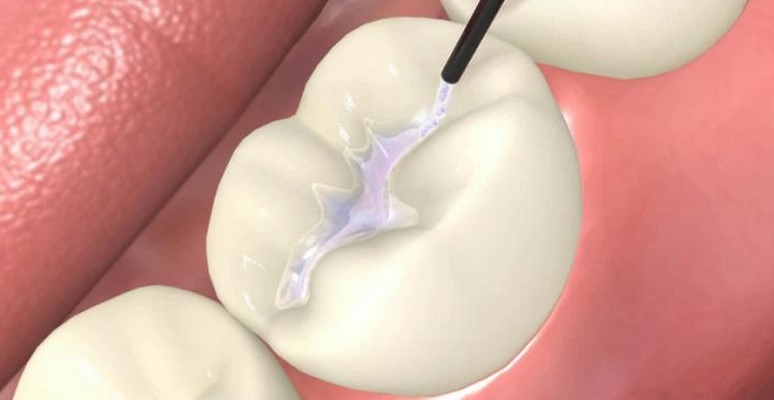
Fortunately, for the benefit of people, there is a fairly simple and economical method of preventing tooth decay, and they are the sealers of pits and fissures, this method involves the use of a special resin (filling), which is placed in liquid form on the pits and fissures that the teeth have, obstructing them, in this way, the dentobacterial plaque that forms cavities, will not be deposited there, and without bacterial plaque, there is no risk of developing caries, says dentist in Saraswati Vihar.

The advantages of using dental sealants are the following:
  1. It does not require anesthesia, so it is a painless procedure and in the case of children or people with phobia to the dentist, this helps to avoid the fear of common dental procedures.
  2. It is quite simple to do; since it only requires a cleaning of the teeth that the sealers will receive, placement of some special substances to create microperforations in the teeth, placement of the adhesive and subsequent placement of the sealant to immediately harden it.
  3. It is quite economical; Although dental procedures are generally not as economical, comparing the cost-benefit ratio obtained by preventing tooth decay, and preventing tooth decay prevents perforations in the tooth that over time can end up with vitality. of the same, sealants result in the cheapest and easiest option to maintain good oral health.
  4. Because cavities do not form, visits to the dentist in Rani Bagh are quite simple and enjoyable for both the patient and the dentist.
It should be clarified that sealants once put in the mouth, have an average life of 5 years, in which the sealant is worn down until it is lost, and it only remains when this happens, visit your dentist in Pitampura again to have a new sealer. Another thing to clarify is that sealants can only be placed on healthy teeth that do not have any existing carious lesion, if a tooth already had decay and a resin filling or amalgam was placed, it is no longer a candidate tooth to receive a sealant.

In addition to having a sealer does not imply neglecting hygiene since although cavities are not going to form on the teeth that received the sealant, poor hygiene causes inflammation of the gums (gingivitis) that if left untreated becomes tartar ( periodontitis) and this in addition to bad breath (halitosis) can cause over time, dental mobility and the possible loss of one or several teeth, explains the best dentist in Pitampura.

Our recommendation is that if you are a young person or as an adult you want to avoid the problems of visiting the dental clinic in Rani Bagh, anesthesia and the sound of the handpiece (drill) you choose the option of sealants, your visits to the dentist in Rani Bagh will only be simple and easy for a long time.