Showing posts with label Dentist in Pitampura. Show all posts

Tuesday, 21 March 2023

What to do in the face of wisdom tooth pain?

Wisdom teeth are dental pieces that, precisely because of their location, cause various problems. The most common is related to lack of hygiene. And it is that, being in the back of the mouth, it is somewhat more complex to access them with the toothbrush. And, therefore, it is frequent that they tend to accumulate food remains.

But, in addition, another very frequent problem has to do with pain. The wisdom teeth usually appear in adulthood, when the rest of the teeth have already erupted. This fact means that, when trying to break through, they cause pain and numerous discomforts.

Having said all this, we are going to begin to remember what these dental pieces are like and what their function is in the mouth. And then we will tell you what to do when faced with wisdom tooth pain.

What are wisdom teeth?

The wisdom teeth -also known as wisdom teeth- are the third molars. They are located in the most posterior area of ​​the mouth, behind the second molars. Normally, adults have four wisdom teeth: two on the top and two on the bottom of the denture. 

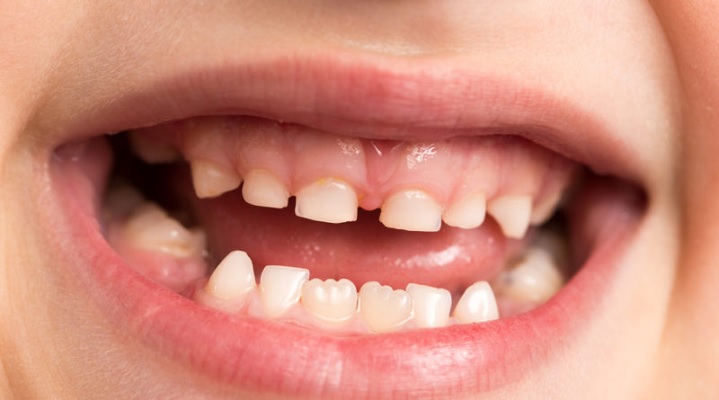
As we have already pointed out, the wisdom teeth are the last teeth to erupt. And, in a large number of cases, they take many years to erupt, and when they do, they don't fully erupt. The fact that they do not come out completely, among other reasons due to lack of space, is what causes the pain and discomfort.

That being said, keep in mind that third molars do not actually have a function in the mouth. That is to say, they are not essential for our daily lives, not even for chewing. This means that the best dentist in Pitampura recommends extracting wisdom teeth as soon as they begin to cause pain or discomfort.

When do the wisdom teeth come out?

Most commonly, wisdom teeth come in between 17 and 25 years of age. This is precisely why they are called "judgment", to reflect the transition to maturity and adulthood. 

However, although they usually appear at this age, the truth is that each person can develop them at different stages. Some even never get them.

Why do wisdom teeth cause pain?


Wisdom tooth pain can be due to different causes. The most common are the following.

  • Lack of space during the eruption

Wisdom tooth pain may be due to the fact that, during the eruption process, the tooth does not have enough space to emerge. This is due to two reasons: the rest of the teeth have already erupted and the wisdom tooth is located in the back of the mouth. If it has no room to get out, it exerts force and causes a sensation of pain and pressure.

  • Pericoronitis

In some situations, during the wisdom tooth eruption process, an infection can occur due to bacterial growth in the gum area. This causes severe wisdom tooth pain, swelling, redness of the gum, and sometimes oozing pus from the infection.

  • Cavities

Once the wisdom teeth have come out, they can also cause pain. Said pain may be due to the most common oral disease: caries. Decay in wisdom teeth is common, since being located in the back of the mouth makes it more difficult to brush them and perform proper hygiene.

How to relieve wisdom tooth pain?

Wisdom teeth cause very intense pain that can even be unbearable for many people. 

Therefore, below, we are going to give you a series of tips to relieve wisdom tooth pain.

  • Lean on medication : taking analgesics and anti-inflammatories helps to calm the pain. But remember that all medication must be prescribed by a doctor or dentist in Pitampura, so check with the professional first.
  • Place cold or heat in the area : the change in temperature helps to calm the sensation of pain. To do this, the most correct procedure is to apply heat or cold for twenty minutes and rest for approximately five.
  • Maintain a thorough oral cleaning : continue brushing your teeth as normal, even if it hurts. It is essential to avoid any type of infection, since an infectious process would cause you more pain.
  • Rinse with hot water and salt : this homemade mouthwash helps soothe pain and the feeling of swelling. 

In any case, you should keep in mind that all these tips serve to relieve pain momentarily. However, as long as the eruption process continues, you are likely to experience pain. 

For this reason, it is best to go to the dental clinic in Pitampura when you begin to notice the first symptoms. That way, the best dentist in Pitampura can treat the cause of the problem and avoid a lot of pain and discomfort. 

What is the treatment for wisdom tooth pain?

In order to plan the most appropriate treatment for wisdom tooth pain, the ideal is to go to the dentist in Rani Bagh. Thus, the professional will be able to carry out an examination, issue a diagnosis and, finally, recommend a treatment plan.

First, the dentist in Saraswati Vihar will determine if there is an active infection in the area. And, in case this is the cause of the pain, she will administer an antibiotic therapy. At this point, it should be remembered that it is essential to eliminate the infection with an antibiotic before carrying out any treatment. 

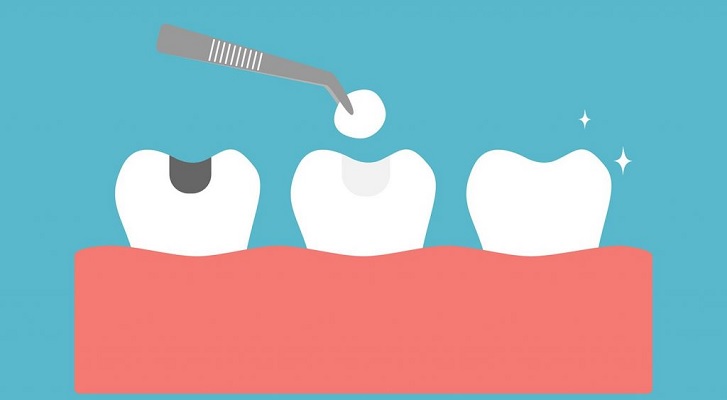
In the event that the problem is caused by a cavity, the dentist in Ashok Vihar will perform a dental filling. With this, he will clean the caries, remove the damaged dental surface and place a biocompatible material to fill the tooth.

On the contrary, if the origin of the pain is due to a lack of space or a pulpitis, the solution will consist of the extraction of the wisdom tooth. This can be done by a simple extraction -in case the tooth has erupted- or by surgery -in case the molar has not erupted or has partially erupted-.

Conclusions

It is estimated that approximately 90% of people experience certain complications when their wisdom teeth come in. As we have already mentioned, the discomfort is most likely due to lack of space or decay, which is very common in these molars.

If you want to alleviate the pain caused by a wisdom tooth, we recommend that you follow the advice explained in this article. Of course, keep in mind that these indications serve to reduce pain at the moment.

When a wisdom tooth starts to hurt, our recommendation as professionals is always the same: go to your trusted dentist in Shalimar Bagh as soon as possible so that he can study your case and can provide you with the best possible solution to your problem.

On many occasions, wisdom tooth pain comes and goes. However, you should keep in mind that until the root of the problem is addressed, the complications will not completely stop.

Wednesday, 10 August 2022

What to do if you have a dental emergency


We all know what to do in the event of a medical emergency; we can go to the nearest hospital and go to your emergency service. But, in the event that you suffer a dental emergency, what should you do?

It is clear that the ideal is to be able to go to the best dentist in Pitampura as soon as possible, but we give you some advice on what to do in the most common cases.

Severe tooth or tooth pain

Are you suddenly experiencing pain in your teeth? This could help you:

  • Rinse your mouth with lukewarm water.
  • Pass dental floss very carefully between the molars in which you have discomfort, in case you have any leftover food. Be very careful with the gums.
  • In no case use a sharp object to extract what you have between your teeth.

This pain may be from a chipped or cracked tooth; if that’s the case, talk to the best dentist in Pitampura so they can recommend the right solution.

This pain can also be due to bruxism. If that is the case, make an appointment with your dentist in Pitampura, because you will need a discharge splint.

Swelling of the face

It can be due to many causes, including a dental, bone or gum infection, so it is important that you see a dentist in Pitampura as soon as possible.

We recommend that you:

  • try not to lie down
  • Drink plenty of fluids, since by staying hydrated you can avoid possible complications in the future.

Loss of a tooth

The most important thing is that you go to a dentist in Pitampura as soon as possible. Before coming to the consultation:

  • Grab the tooth by the crown, and don’t touch the root.
  • Rinse it with water, or soak it in milk (so it won’t lose moisture)
  • Go to the dentist within an hour.
  • You can try to put it in its place but be very careful when doing it. Still, go to the dentist in Sarswati Vihar afterwards.

Abscess

An abscess is an infection of the inner substance of the tooth that usually indicates that the tissue is weakened.

It’s diagnosed with an x- ray, but if you have sensitivity to hot and cold, or pain when chewing, you may have one.

In this case, the only solution is to go to your dentist in Sarswati Vihar to make a diagnosis and determine the treatment (usually an antibiotic).

There are also abscesses on the gums, which are identified as small yellow, red or whitish pimples. It will also be necessary to take an x-ray and take antibiotics.

Biting of the tongue or lip

It doesn’t usually trigger any serious conditions, but it can be painful.

We recommend that you clean the area with water and gently apply pressure to the wound with gauze. If it continues to bleed after a few minutes, seek professional help.

Orthodontic wounds

In some cases, in which patients are undergoing orthodontic treatment, they may suffer discomfort or injuries caused by the brackets.

In most cases it is due to some tip of the wires of the brackets, which rubs against the gums. In those cases, you can cover the tip with gauze or a small piece of cotton.

Bleeding in the mouth

If you detect blood in the mouth, it can be due to different causes:

  • If you see blood on your toothbrush or floss, it may be due to overly aggressive brushing, or possible gingivitis / periodontitis. If it is recurring, see your dentist in Sarswati Vihar.
  • If you detect blood in the saliva, it could be different oral conditions and we recommend that you see a specialist as soon as possible.
  • If you have bleeding after a tooth extraction or surgery, you can put gauze pads on the wound and apply pressure for about 20 minutes. If it doesn’t stop, go to your dentist in Rani Bagh or the emergency room.

Despite the recommendations, in all cases we suggest that you contact a dentist in Delhi as soon as possible. In the case of a dental emergency in Pitampura, you can go to our dental clinic in Pitampura, where we will offer you personalized treatment and suggest the best solution for your specific case.

Saturday, 22 August 2020

All About Teeth Whitening in Pitampura


Learn the details about teeth whitening in Pitampura from our expert dentist, the types of treatments that exist, care and more.

“Whiter teeth are associated with youth. Having yellow or stained teeth is like having gray hair. People whiten their teeth because this procedure brightens their smile, their face comes alive, and they look more radiant "

What is a teeth whitening?

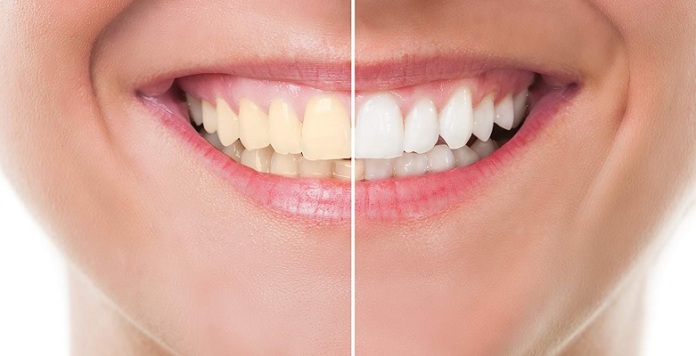
It is an aesthetic procedure that is performed by a dentist in Pitampura to restore the natural color of the teeth that has been lost due to different causes, it can even be obtained in some cases whiter than natural tones.

There are 2 bleaching agents, hydrogen peroxide and carbamide peroxide. Different manufacturers use these bleaches and offer a variety of presentations.

It is important that the whitening brand used is backed by research and testing of their products to prevent damage to the teeth.

Causes of teeth darkening

Teeth can change color for different reasons, we summarize them in two groups:

  • Extrinsic (external) causes:
    • The smoked.
    • Eating habits, including: coffee, tea, red wine, soda, etc.
    • Poor oral hygiene.
    • Some mouthwashes.
  • Intrinsic (internal) causes:
    • Genetics or family inheritance.
    • Some medications
    • Stage of life (Age).

Professional teeth whitening

If you want to whiten your teeth, it is recommended that you visit a professional dentist in Delhi for an assessment to determine which is the best teeth whitening for you, different aspects should be taken into account such as:

  • General health condition
  • If you have restorations, resins, crowns, or others since they do not whiten
  • If you suffer from tooth sensitivity
  • If you have cavities or broken teeth that need to be treated

Types of professional teeth whitening

There are several types of teeth whitening, generally they are separated into two categories, those that are performed in the dental clinic in Rani Bagh and those that the dentist in Rani Bagh delivers to apply at home.

Whitening at the dental clinic

Whitening in the dental clinic: The bleaching vital teeth is the most common teeth whitening procedure. A gel is used that is applied directly to the surface of the tooth. This product contains hydrogen peroxide or carbamide peroxide. This whitening can be done both in the office and at home. The difference is that in the whitening in the dental clinic in Rani Bagh it allows to use a more powerful whitening gel. A specialized light activates the gel and allows the whitening to act faster.

This in-office treatment usually takes 30 to 90 minutes and will require 1 to 3 appointments. The number will depend on the method used, the severity of the stains and the intensity to be achieved.

Teeth whitening at home

This is the type of whitening that is used in case our patients have tooth sensitivity or recessions in their gums. It is used for 30 minutes a day or at night (different options for each case) for a period of 1 week, achieving a slower but more stable color change, minimizing the possibility of sensitivity due to unplanned whitening. professionally.

If your preference is to do your teeth whitening at home, a cover will be made for your teeth where the whitening gel is placed, it can be at night or for a shorter time during the day. It applies for a period of 12 or 14 days.

Teeth cleaning and whitening

Regardless of the type of teeth whitening chosen by you, it is advisable to perform a dental cleaning before whitening, since when removing tartar and stains, the teeth look clean and healthy. So, the whitening will have a better effect, says the dentist in Rani Bagh.

What should we do to keep our new color for a long time?

Basically, we must avoid pigmented foods, such as wine, black beans, beets, carbonated drinks with dark colors, etc. Regular brushing and flossing, as well as regular dental cleanings, are simple things we can do to maintain our new color for a long time.

Regardless of the technique used (in the clinic or at home), every 6 months or a year we can carry out whitening touch-ups, which allows us to smile with a pleasant white to our friends and family.

Care after whitening

During the treatment if it is whitening at home and for the next 48 hours after it is finished, either at home or in the dental clinic, you should not consume acidic, very cold or very hot foods as well as:

  • Acidic, very cold or very hot foods.
  • No Smoking.
  • Do not drink red wine.
  • Do not eat foods with soy sauce.
  • Do not take fresh blackberry, strawberry, black beans, iced tea, carrot, beets.
  • Do not drink coffee or tea.
  • Do not eat food or beverages that contain colorants: tomato sauces, chicken broth, achiote or other.

Finally, teeth whitening is not a permanent solution. The spots may reappear. The snuff and intake of food or drinks can cause bleaching begins to fade. If these sources of staining are avoided and the teeth whitening maintenance advice given at the clinic is followed, another whitening treatment may not be needed for 6 to 12 months, says the best dentist in Delhi.

Friday, 29 November 2019

Tooth decay, What to do?

Tooth Decay

The fact that cavities appear on our teeth is normal for the vast majority of people. In general, with plaster it would be solved and ready to continue with our oral health, but the concern comes to mind when one of the smallest of the house appears a caries in one of his milk teeth. The best dentist in Delhi will explain everything you need to know.

What are cavities?

A caries is the product of an infection caused by bacteria that stick to the surface layer of the tooth, generating acids that, over time, weaken the child's tooth. It can also be caused by the continuous contact of sugar in the child's mouth. It is important to be very careful with the teeth of children or babies, remember that with them you eat, talk and smile, says dentist in Delhi.

A tooth decay in a child's tooth can generate pain to the point of reducing his appetite, which is bad at the time of his development. So, would you let your child keep a tooth decay in their milk tooth just because they are temporary?

What should be done if my child has a tooth decay in a milk tooth?

First of all, you should take the smallest of the house to have regular checkups to maintain your oral health. This dentist in Pitampura will make a complete diagnosis and decide on the most appropriate treatment for the child.

If we discover a caries in its first phase, which has a color change in an area of the milk tooth (the tooth looks opaque and has a white spot), it will be necessary to make good hygiene of the child's mouth to eliminate any bacteria that is around our baby's mouth, and the best dentist in Pitampura will only put a little fluoride in the area.

If this small white spot is not detected in time, it becomes darker to the point of creating a hole, which grows, causing the child pain, and can affect the permanent tooth behind it, warns dentist in Saraswati Vihar.

Mostly tooth decay occurs in the teeth, they are the most used when chewing, if there is no good oral hygiene in children the food is stored between the teeth making a feast for bacteria, this will help them generate more acids, having more likely caries appearance, explains dentist in Rani Bagh.

There are cases where babies have cavities in their first teeth, this is due to external saliva, bottle or pacifier contacts.

Prevent tooth decay

With a few simple steps we can avoid the appearance of this annoying disease.
  1. It is essential to integrate in the diet of our children some fruits and vegetables that increase the production of saliva by their great efforts to chew, such as apples, carrots, etc. This generates a self-cleaning action helping to keep teeth clean.
  2. Avoid 100% mother-child saliva contact, either by blowing your food or using your food spoon at the same time.
  3. Teach the child that after each meal you should brush your teeth with a small amount of toothpaste (adding fluoride to your teeth), using a soft bristle brush and demonstrating how to perform each movement. Remember to supervise the child until he knows how to do it correctly.
  4. Wait for your baby to finish his bottle before going to bed, continuous contact with this material can cause tooth decay in his first teeth.
It is recommended that with the appearance of the child's first tooth a visit to the dentist in Rani Bagh is made, in this way the dentist will verify that everything goes well with the baby's teeth. At dental clinic in Rani Bagh we know how to treat your child's mouth, so do not hesitate to bring him. We will make a complete review and diagnosis. We will wait for you!

Wednesday, 27 November 2019

Dental Sealants, Prevents Cavities Easy and Painless

Dental-Sealants

Did you know that with dental sealants you can prevent annoying tooth decay, without the need for anesthesia, without pain, and at a low cost? Keep reading to find out more.

In order to understand how sealants work, one must first talk about how cavities are formed, in simple terms caries lesions are formed when dentobacterial plaque (cluster of bacteria) is formed in the teeth and this plaque is attached to the teeth, If this plaque is not removed with brushing, two things will remain there indefinitely, it becomes tartar or causes caries lesions, these bacteria use carbohydrates (simple and complex sugars) as their food, forming acids and these acids are what they form decay (and destroy the tooth), explains oral surgeon in Pitampura.

But not all teeth are equally susceptible to decay, the most prone are the teeth in the posterior area of the mouth (premolars and molars) because in its anatomy, there are small grooves in which the plate is trapped and brushing is difficult to reach these areas, making them susceptible to developing decay, says dentist in Delhi.

Due to the anatomy of the teeth and other factors such as high carbohydrate feeding, caries susceptibility due to the type of bacteria present in each person's mouth, as well as poor hygiene, together these factors, will cause the lesions to appear Carious and its growth, which if not stopped, will reach the heart of the tooth, will destroy it, causing intense pain and in more severe cases, the loss of the dental organ, explains the best dentist in Delhi.

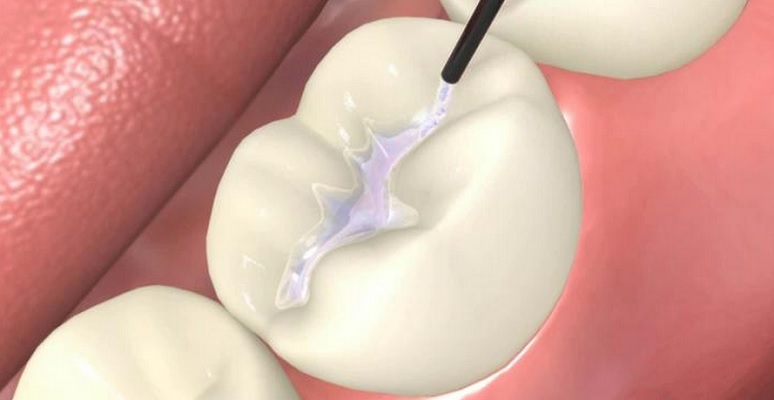
Fortunately, for the benefit of people, there is a fairly simple and economical method of preventing tooth decay, and they are the sealers of pits and fissures, this method involves the use of a special resin (filling), which is placed in liquid form on the pits and fissures that the teeth have, obstructing them, in this way, the dentobacterial plaque that forms cavities, will not be deposited there, and without bacterial plaque, there is no risk of developing caries, says dentist in Saraswati Vihar.

The advantages of using dental sealants are the following:
  1. It does not require anesthesia, so it is a painless procedure and in the case of children or people with phobia to the dentist, this helps to avoid the fear of common dental procedures.
  2. It is quite simple to do; since it only requires a cleaning of the teeth that the sealers will receive, placement of some special substances to create microperforations in the teeth, placement of the adhesive and subsequent placement of the sealant to immediately harden it.
  3. It is quite economical; Although dental procedures are generally not as economical, comparing the cost-benefit ratio obtained by preventing tooth decay, and preventing tooth decay prevents perforations in the tooth that over time can end up with vitality. of the same, sealants result in the cheapest and easiest option to maintain good oral health.
  4. Because cavities do not form, visits to the dentist in Rani Bagh are quite simple and enjoyable for both the patient and the dentist.
It should be clarified that sealants once put in the mouth, have an average life of 5 years, in which the sealant is worn down until it is lost, and it only remains when this happens, visit your dentist in Pitampura again to have a new sealer. Another thing to clarify is that sealants can only be placed on healthy teeth that do not have any existing carious lesion, if a tooth already had decay and a resin filling or amalgam was placed, it is no longer a candidate tooth to receive a sealant.

In addition to having a sealer does not imply neglecting hygiene since although cavities are not going to form on the teeth that received the sealant, poor hygiene causes inflammation of the gums (gingivitis) that if left untreated becomes tartar ( periodontitis) and this in addition to bad breath (halitosis) can cause over time, dental mobility and the possible loss of one or several teeth, explains the best dentist in Pitampura.

Our recommendation is that if you are a young person or as an adult you want to avoid the problems of visiting the dental clinic in Rani Bagh, anesthesia and the sound of the handpiece (drill) you choose the option of sealants, your visits to the dentist in Rani Bagh will only be simple and easy for a long time.

Sunday, 24 November 2019

Toothache? What you should know…

Toothache

They say that toothache is one of the worst pains that can be felt. The truth is that by saying "molars" people also refer to teeth, but it is a popular way of speaking. Regardless of whether the pain is in a tooth or a tooth, even if it is not very acute, it can indicate a problem that should be remedied as soon as possible. Therefore, if your teeth or teeth hurt, keep reading, this article will help you understand the causes. And after you finish reading, visit your dentist in Rani Bagh!

When you feel pain, it means that something is wrong. The human organism is so perfect, that it warns you that something needs attention, or sends you a signal by lighting “your alarm” in the form of pain. Can you imagine that you are in the middle of a delicious dinner and suddenly feel intense pain in a tooth or a tooth? Or that suddenly, you begin to feel an unbearable stab in your mouth? Toothache or pain in the teeth indicates that there is something that is not right in your mouth and that you should pay attention immediately, explains best dentist in Delhi.

Why do your teeth hurt?
There are several possibilities, including:
  • Caries, which is commonly called "tooth sting," which is caused when bacteria produce acids that destroy the tooth.
  • Abscess in the teeth (is the damage caused at the root of the tooth or between the tooth and the gum due to advanced caries)
  • Infected gums
  • A damaged shoe or padding
  • Repetitive movements such as clenching / grinding your teeth or bruxism
Toothache or teeth pain and intensity may vary. Sometimes it happens that your tooth only hurts when you touch it or apply pressure on it. Other times, the pain is accompanied by inflammation (swelling) around the tooth, with fever and sometimes, it can also be accompanied by secretions such as pus and blood and even pain in the face and ear. In any case, if the pain is intense and lasts more than one day, you should go to the dentist in Delhi. This must be treated.

How to identify the cause of pain?
Why is it so important that you visit your dentist in Rani Bagh immediately? First, you will see that the pain is so intense that you will not want to endure it anymore. And second, and more importantly, because once the dentist identifies the cause of the toothache, he can treat it and prevent the infection from spreading in your body. Because in addition to pain, an untreated toothache or gum infection can bring serious complications to your overall health.

When you are at the dental clinic in Rani Bagh, the dentist will examine you, ask you questions about the pain and may take an x-ray for more information. From then on and depending on the cause of your toothache or teeth, you will decide and perform the appropriate treatment that can be, among others: cover decay, remove the tooth or tooth, make root canal treatment (endodontics), prescribe antibiotics, etc.

Have you never had a toothache and don't want to have one? It is easy. Take action to prevent it! Oral hygiene is the key to keeping bacteria that cause such complications in your mouth at bay.

Brush your teeth at least twice a day, floss or floss and visit your dentist in Pitampura regularly. So most likely, you will not know what a toothache or teeth is, and I promise you that you will not be missing anything.

Monday, 18 November 2019

Dental Filling: Caries Removal Treatment

Dental-Filling

Cavities are one of the most common oral diseases in our society, not only nationally but worldwide. When we fail to detect caries in time, it is necessary to perform a specific treatment to be able to eliminate it.

Today at Dental Clinic in Rani Bagh we tell you everything you need to know about dental fillings.

What is a dental filling?

Before dentist in Delhi begin to explain what a filling is, we must first specify what a caries is. Recall that, when we talk about tooth decay, we mean the destruction of the tissues of the tooth that is caused by two specific causes.

First, by eating food or drinks that contain acids and sugars. On the other hand, it can be the result of poor oral hygiene such as insufficient brushing or errors in the technique of brushing.

The dental fillings, also known as shutter, is a treatment used to repair any damaged tooth. The decay of a certain tooth is eliminated to prevent the disease from progressing and thus not affecting the nerve of the tooth, since if it reaches this point a root canal would have to be performed, says the best dentist in Delhi.

How is a filling made?

Dental filling treatments are simple and fast, as they take about 40 or 50 minutes. As a general rule, the procedure is as follows:
  • Anesthesia: the dentist applies local anesthesia in the cases that are required. Anesthesia is usually used when caries is in an advanced state and affects dentin, where the nerve endings are found.
  • Caries cleaning: the dentist in Pitampura removes the carious tissue, leaving a cavity that has to be filled later.
  • Filling the cavity: composite is used to fill the gap after cleaning the caries.
  • Polishing and adjustment: when the composite has hardened, it is polished and a bite test is performed. This ensures that the result is adequate.
How many types of fillings exist?

We can differentiate between two types of dental fillings according to the filling material used.

Metal

Metal dental fillings are made up of silver amalgam. Its main advantage is that they are very durable since it is estimated that their duration is about 30 years. Although this material is not very aesthetic because it stands out much about the natural white of the tooth.

Nowadays, these types of fillings are not usually used since consumers prefer resin or composite because they have a more natural color.

A few years ago gold fillings were also used, and although they are durable and resistant, they are very expensive and not aesthetic.

Resin and composite

This material is the most used, because they are much more aesthetic than any other. The composite has a color similar to the white of the tooth, although it has a much shorter duration.

It is necessary that patients who have dental fillings have good oral hygiene and go to the dental clinic at least once a year. Thus the dentist can check the filling and replace it when necessary or deteriorates.

It is important that the composite is of high quality and the professional has a wide variety of shades so that it fits as closely as possible to the natural tone of your teeth. This ensures greater durability, avoids the fall of fillings and achieves an aesthetic result.

Is the procedure painful?

According to the dentist in Rani Bagh, it is necessary to apply local anesthesia depending on the depth of the tooth decay to be treated and affects the dentin. This prevents the patient from feeling pain during the procedure.

If tooth decay does not affect dentin, it is not necessary to apply anesthesia. Although the patient may feel slight discomfort during the process.

It is important to know that after the dental filling, the patient can feel sensitivity when eating very hot or cold foods or when brushing their teeth. This sensation can continue for three or four days.

In case the sensitivity persists for more than a week, it will be necessary to return to the dental clinic in Saraswati Vihar. So the dentist in Saraswati Vihar can examine the filling and determine the problem.

You can eat after fillings

The enamel treatment is a simple intervention, so the care we should consider is minimal, so the patient can return to their usual routine after leaving the dental clinic in Pitampura.

When the filling is done without local anesthesia, the patient can eat and drink normally.

If the procedure is done under local anesthesia, it will take a couple of hours for the patient to recover the sensitivity in the area that has been treated. For this reason it is not advisable to drink or eat right after the intervention because with the numbness caused by anesthesia it is possible that you drop your food or drink.

When the effect of anesthesia is passed, the patient can return to eat and drink normally.

How long does a filling last?

As a general rule, the composite filling, the most used material, usually lasts approximately 10 years. Although we must bear in mind that fillings discolor over time and the color becomes more yellowish. In addition, they are subjected to extraordinary pressure due to chewing.

Some fillings wear out over time and need replacement over the years.

As we have mentioned, composite fillings have an average of 10 years. It is important to attend annual check-ups so that the dentist can examine each of the fillings.

If you find any scream in your filling, it is broken or in poor condition, make an appointment with your dentist in Pitampura.

Dental sensitivity after filling

It is possible that after performing the dental filling treatment the patient may become sensitive when eating very hot or cold food or brushing their teeth.

This sensation can last for 3 or 4 days. Although if the sensitivity persists for more than a week it will be necessary to visit the dentist who has performed the treatment. This will examine the shutter to determine if there is any type of problem.

According to the best dentist in Pitampura, fillings are one of the most performed interventions. When this treatment is performed, materials are placed on the dentine, depending on the type of filling. Dentin is the inner layer of the tooth and is one of the most sensitive parts because it has direct contact with the dental nerve, and can produce sensitivity.

Tuesday, 11 June 2019

Oral Care of the Elderly

elderly
The mouth and teeth are very important at all ages, not only for an aesthetic issue, but also to maintain good nutrition and avoid complications. Therefore, in the third age, oral care should be as important as other aspects of health. Here is the data you should know to take care of the health of your mouth or that of the beloved one you are attending at this stage of your life, says dentist in Delhi.

There is a saying that is very true: “the years do not come alone”. And certainly, who does not want to stop the passage of time? As we age, the body begins to deteriorate, and discomfort is felt. Some have vision problems, others in the ears, in physical resistance or in the health of the heart, among others.

Unfortunately, there is no way to stop this progress, but we can take care of our body to keep it better prepared to receive the effects of the passage of time. There are many things you can do but naming them all in a single article would be impossible. Therefore, here we will dedicate ourselves to something that often remains forgotten: the mouth and the teeth, which not only allow us to feed well but also to communicate and make us understand.

According to dentist in Rani Bagh, aging can produce changes in the structure and functioning of the mouth, leading to tooth loss or deterioration of teeth, accompanied by dry mouth, loss of taste and other disorders.

Among the most common diseases of the mouth are cavities (an infectious disease that causes the loss of tooth structure) and periodontal disease (which affects supporting tissues and tooth protection, including gums). These conditions are responsible, in most cases, for the loss of teeth in older adults, says the best dentist in Delhi.

In addition, adults often have other chronic diseases that can affect the mouth, such as diabetes, high blood pressure or hypertension, osteoporosis, liver changes, kidney failure, visual, motor and / or mental disorders they cause some degree of immunosuppression (that is, they eliminate or diminish the functions of the immune system, that is, the body’s defense system).

To this is added that, many times, the medicines that the elderly must take to control these or other diseases can also affect the long-term health of the mouth. Some cause a decrease in salivary flow (the amount of saliva) or xerostomia, for example, as certain analgesics (medicines for pain), antidepressants, antihistamines, antipsychotics, antihypertensives, anticholinergics and derivatives of opioid alkaloids.

There are many things that you must keep in mind, right? It is important that you know them so you can talk to your doctor and your dentist in Saraswati Vihar.

In addition, there are several cares that older adults (or their caregivers) may have to prevent the development of diseases in the mouth or to keep them under control. They include the following:
  • Brush your teeth five times a day (upon waking, after breakfast, lunch, dinner and before bedtime).
  • Use wide-bristle toothbrushes and soft bristles and fluoride toothpaste.
  • Use mouth rinses with fluoride, as directed by your dentist.
  • Consult your dentist in Pitampura at least once a year and ask him if you need any special care, such as using dental floss or interdental brushes.
  • If you have motor or cognitive difficulties, it may be more convenient to use rinses or toothpastes with chlorhexidine, always under the supervision of your dentist in Delhi.
  • If you suffer from dry mouth (xerostomia), you may need to use products that stimulate salivary secretion, such as sugarless gum and citrus products. Your dentist could also recommend some medicine, always considering the possible side effects.
  • If you use dentures, it is preferable that you visit the dental clinic in Rani Bagh more frequently, at least two or three times a year.
  • If the prosthesis is removable, it is convenient that you take it to your oral surgeon in Pitampura to do a cleaning with ultrasound and polishing of the surface every six months and that you keep them daily according to the indications that he or she has given you.
  • If you have lost all your teeth, you should gently clean the gum, at least after each meal, with a soft brush or gauze soaked in an antiseptic substance called chlorhexidine.
Finally, keep in mind that older adults can also suffer from aphthae or other discomfort in the mouth. Therefore, in addition to the recommended periodic controls, it is important that you consult your dentist in Rani Bagh if you have pain, if you see spots or a strange lump, if the aphthae are recurrent, if you think you have cavities or have problems to bite, as well as if You have any doubt.

Many times, dental treatments can be very expensive. If you exceed your chances, do not be embarrassed and talk to your dentist at dental clinic in Saraswati Vihar to see if it is possible to offer you a more accessible treatment. Or maybe I can refer you to another place where they can do it.

There is always something that can be done to take care of the health of your mouth. It is better to prevent than to remedy. Learn to take care of your oral health, so not only avoid unnecessary inconvenience but you can also continue to enjoy your favourite foods and wearing a beautiful smile, at any age.

Friday, 31 May 2019

Dental Cleaning in Delhi: What is it, what can I get?

dental_cleaning
We continue our blog with another of the most common concerns among our patients, oral hygiene and dental cleaning. Many times our pace of life prevents the proper care of our mouth, therefore, we resort to the professional cleaning of dentist in Delhi. But do you know what is a dental cleaning and everything you can get with it? We tell you

What is dental cleaning and why do I need it?

In the first place, it is necessary to understand what dental cleaning is, it is a procedure aimed at improving the condition of the mouth and above all it is used to prevent multiple oral diseases . Such as gingivitis, halitosis, cavities, tartar, spots, etc ... but also can help us improve the appearance of the teeth.

As dentist in Rani Bagh says, when dental hygiene is not correct or is insufficient, tartar and spots appear. These, in addition to causing an unsightly effect on our smile, can lead to more serious illnesses and problems that require more serious procedures to restore health to our teeth.

Therefore, if you want to recover the hygiene in your mouth and boast of healthy teeth, you need a dental cleaning.

How is this dental treatment done?

Cleaning is a painless procedure that can only cause small discomfort in specific places and areas of your teeth.

It must be borne in mind that quality dental cleaning has several phases, all of great importance.

Preliminary analysis

Your dental hygiene treatment begins in our practice at the hands of our best dentist in Delhi where they will study your case and detect the different problems. For example, areas with tartar, possible decay, inflamed gums, spots, etc.

In this way, your dentist in Saraswati Vihar will be able to advise you on the points that should be affected, and the sessions that you will need.

In addition, this way you can give advice to take better care of your daily dental hygiene, proposing techniques and products appropriate to the state of your mouth.

Elimination of bacterial plaque

Now, the procedure will begin so that an anesthetizing cream will be applied to the teeth - depending on the case - to avoid pain in more sensitive areas.

Then the dentist in Pitampura by means of an ultrasound tip, ends with the superficial tartar, also removing the bacterial layer causing different oral diseases.

In addition, it is possible to attenuate the most superficial spots that are caused by different drinks and foods and that are complicated to avoid with the daily dental hygiene.

Subgingival cleaning

Many times, patients believe that tooth cleaning is a merely superficial procedure and that it is only done in the most visible part of our teeth. But in reality, dirt and bacteria are also found under the gums and can be dangerous if left untreated.

Therefore, during the buccal cleaning process, the oral surgeon in Pitampura will also perform subgingival work, that is, under the gum line, to achieve excellent results and a totally healthy mouth.

Polishing: teeth like new.

To finish with the procedure, a polishing is carried out that helps to completely smooth the surface of the teeth and to finish in the most efficient way with the dirt in the whole surface of the pieces.

With this polishing also, products that care for and reinforce the enamel and the structure of the teeth are used, in addition to giving a more uniform color to eliminate unsightly stains.

As we said, each of the stages of a dental cleaning are vital to achieve complete hygiene and leave the dental clinic in Rani Bagh with a healthy and clean smile.

When a mouth cleaning is necessary, how many sessions do I need for total hygiene?

There are no established norms nor a strict calendar for this treatment, but it will depend on the situation of each patient.

Those people who are more prone to suffer from oral diseases, it is of great importance that they take care of their daily hygiene, and that they support it with periodic dental cleaning sessions, every 3 months or even monthly in the most problematic cases.

However, there are those who are able to maintain good dental health and need little this type of treatment, therefore, as the best dentist in Delhi, it is recommended that at least one dental cleaning be performed every six months.

This is important because sometimes, it seems that the state of the mouth is perfect, but at home, we do not always see all the areas that may be affected. For these reasons, we recommend that you go to our dental clinic in Saraswati Vihar and ask for an appointment so that our dentist in Saraswati Vihar can assist you and advise you in a personalized way.

Precautions and recommendations after cleaning.

Being a minimally invasive treatment, we will not find complications or follow specific treatments or care, but we must follow some advice so that the results are long lasting and we can maintain a clean and healthy mouth:
  • Avoid foods and foods that stain: coffee, dyes, tea, wines ...
  • Total daily and constant cleaning : Follow the recommendations of your dentist in Delhi and use the specific products that you have prescribed. Brushing after each meal, at least three times a day, affects the most inaccessible areas and internal faces that tend to forget.
  • Supplement your hygiene : It also uses a proper and specific mouthwash to complete daily oral hygiene.
How much can a mouth cleaning treatment cost?

The entire procedure can be modified according to the patient, the conditions in which his oral hygiene is found and the results that are expected to be achieved.

Therefore, many times the cost may vary . Therefore, you should consult with our dentist in Rani Bagh who will advise you in a personalized way and advise you on the type of oral cleaning most suitable for you.

Thursday, 23 May 2019

Teeth Whitening: Get Your Natural Smile Back

teeth_whitening
Teeth whitening is an aesthetic treatment that reduces the original color of the teeth by several shades.
It is a fairly simple process that is performed on the outer layer of the teeth, leaving them whiter and brighter almost immediately.
Before the bleaching treatment
If you are thinking about whitening your teeth make sure they are healthy. Perform a check with your dentist in Pitampura to make sure you do not have caries or other periodontal diseases, in addition to a dental cleaning to remove tartar.
Always by the hand of a professional dentist
Our recommendation is that you go to a professional dentist in Delhi to perform your whitening treatment. Qualified dentists have the safest technology for your teeth. They will assess what is the best treatment for your case.
Do not trust the home remedies you can find on the internet or recommended by your acquaintances. Any application that is not prescribed by a dentist in Rani Bagh can affect the structure of your teeth giving rise to more serious future problems.
Teeth whitening treatments
There are two types of treatments for teeth whitening in Pitampura: external treatment and internal treatment.
  • The external treatment   is the most common and the one that is performed on vital teeth. It consists of the application of substances on the external part of the tooth. Its effectiveness is directly related to the time of use and the decrease in consumption of those foods or beverages that generate colorations or dental stains. It allows to eliminate most of the stains produced by substances such as tea, coffee, infusions, red wine, etc. And of course, the tobacco, of which we have already spoken to you on occasion.
  • However, not all dental blemishes or blemishes are improvable or possible to eliminate through tooth whitening and may require another type of aesthetic dental treatment such as the use of porcelain veneers or covers. The internal treatment   is one that is performed on non-vital teeth, that is, those that already have an endodontics performed, applying the product inside the tooth and being able to complement this treatment with external whitening.
Teeth whitening techniques
There are different techniques to whiten the teeth, although basically they consist in the application of the whitening gel on the arches of the teeth by means of splints. It is usually a process that requires a daily frequency for a few weeks.
These treatments can be done in dental clinic in Rani Bagh, or at home (always under the supervision of a professional). The main difference is that in the clinic the peroxide concentrates, which is the material that produces the bleaching, are bigger and therefore faster when it comes to seeing results, than teeth whitening at home.
Currently there are other treatments that accelerate the process by applying an intense light, or cold LED type light. It is tooth whitening by photoactivation.  The results are much more homogeneous and simultaneous in all teeth, besides being faster than with commercial kits that you can apply at home. This option is only available in dental clinic in Saraswati Vihar, since it requires preventive measures due to the technology used and to avoid damaging the tissues of the mouth.
Recommendations after whitening your teeth
Once you have undergone a whitening it is recommended:
  • Avoid colouring drinks, for example coffee or tea, as well as tobacco. These contain substances that can cause the tooth enamel to stain again. That is why it is obviously best to avoid them.
  • Usually your dentist in Saraswati Vihar will prescribe a maintenance treatment. That consists in that during a time at home you apply with a splint the bleaching gel.
  • Although it is not a painful treatment, it is possible that during the whitening there is a certain transient hypersensitivity that disappears without a trace after a short time of completion. The use of gels containing fluorine and potassium nitrate in their formulation is usually recommended by the best dentist in Delhi.