Showing posts with label Oral Surgeon in Pitampura. Show all posts

Sunday, 12 January 2020

Dental Checkups: why are they so important?

Dental-Checkup

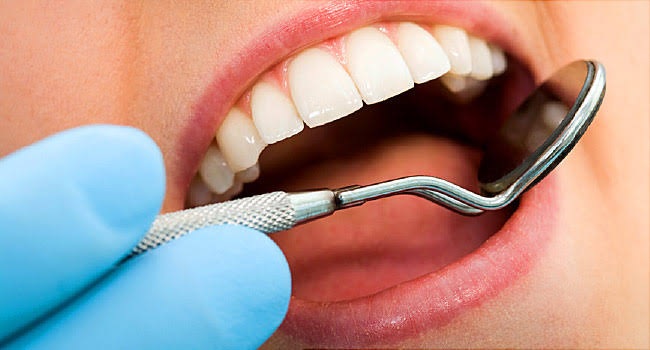
Many people only remember going to the dentist in Delhi when they have mouth problems. However, this bad habit of not having dental checkups could be detrimental not only to your dental health but also to your general health.

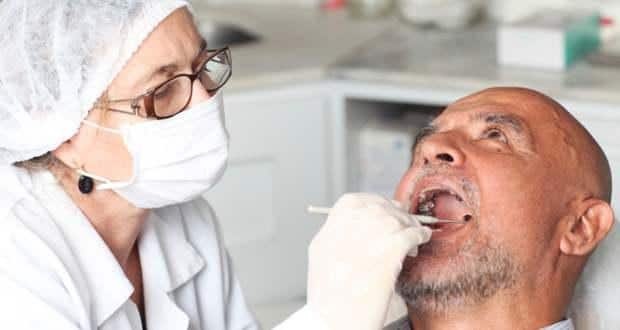
In fact, the mouth is a window to the general health of the body: it reflects the general state of health. Certain diseases can be discovered through a Complete Oral Exam at dental clinic in Rani Bagh, even before symptoms appear in other parts of the body. In addition, in the mouth we can see some lesions that can alert us about vitamin deficiencies, lack of minerals or nutritional deficiency states.

The association between oral microbial infections such as periodontopathies and systemic disorders is not a new concept. Today we have a large amount of evidence that highlights the association between oral health and a wide variety of diseases, explains the dentist in Rani Bagh.

Gum disease

The gums should not bleed when you brush your teeth or floss. Bleeding in these cases shows a possible gum disease.

Gingivitis, the mildest presentation of gum ailments, arises in response to plaque that is formed by bacteria between teeth and gums. If the plaque expands, the immune response increases and can destroy the tissues and bones in the mouth, causing spaces between the teeth that can become infected. In this case, the gum disease is called Periodontitis, which can become chronic, warns the dentist in Delhi.

Tooth drop

Both tooth decay and gum disease can cause tooth loss, says the oral surgeon in Pitampura.

Bad breath or halitosis

Bad breath affects about 65% of the population. Halitosis can be a symptom of a large number of diseases, but the number one cause is poor dental hygiene.

Pregnancy complications

Gingivitis affects between 60 and 70% of pregnant women. When pregnant women have serious dental problems, their babies are more likely to develop cavities. In addition, poor maternal dental health is also associated with advanced births and low birth weight.

Diabetes

Dentists have long known that diabetes is a risk factor for periodontitis. However, recent studies indicate that this relationship could be bidirectional. Poor dental health can also be a risk factor for insulin resistance and diabetes. Some studies have even indicated that in patients suffering from both diseases, resolving periodontitis can improve diabetes control, says the dentist in Saraswati Vihar.

Stomach ulcers

In people with periodontitis, plaque that forms in the spaces under the gums can become a reservoir of Helicobacter pylori, the bacteria responsible for stomach ulcers. This bacterium can be transmitted orally, and large epidemiological studies have found a relationship between periodontitis and the positive test for this bacterium, which is also a risk of stomach cancer.

Cancer

Gum diseases and dental problems are also associated with the human papillomavirus, HPV, which causes almost 80% of oral cancers. Other research has suggested that periodontitis can promote the growth of cancer cells in the mouth.

As you can see, dental check-ups at dental clinic in Saraswati Vihar not only help you to
  • Maintain an attractive and healthy smile
  • Maintain the functionality of the organism
  • Save costs in dental treatments
They are also indispensable for your overall health.

Tuesday, 3 December 2019

When is a Dental Reconstruction Recommended?

Dental

Sometimes your teeth may suffer damage or alterations that require special treatments to return their functionality and appearance. But it can be difficult for you to identify when a dental reconstruction is necessary. From the dental clinic in Rani Bagh, we will tell you some cases and tips so you can answer this question.

Alternatives for Dental Reconstruction

Dental reconstruction is mainly responsible for repairing damaged teeth. Although sometimes it can also involve replacing it.

Depending on the damage that the patient's tooth possesses, the best dentist in Delhi can perform a dental reconstruction using one of the following methods:

Composite

The composite is a type of resin that is composed of synthetic materials. It is widely used to correct partial fractures of dental pieces, as it provides a natural finish and does not affect the functionality of the tooth or the bite.

In addition, its coloration is very similar to that of natural teeth. What makes it almost imperceptible.

They are also often used to make some types of fillings when caries are corrected and to make some custom pieces for other types of oral reconstructions.

Dental Veneers

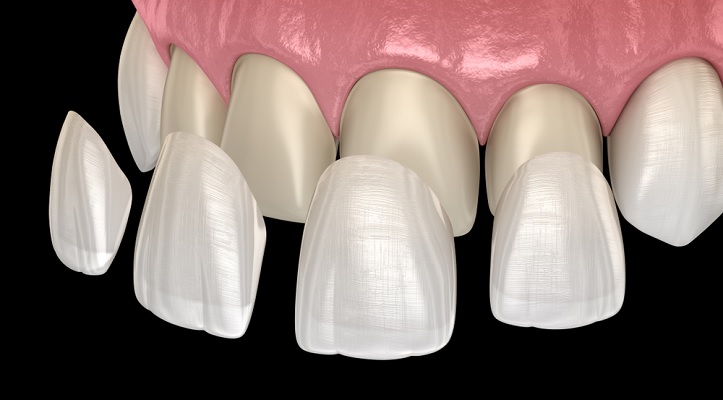
Dental Veneers in Delhi has a mainly aesthetic purpose, so they are only used on the front teeth. They are very thin sheets of composite or porcelain that adhere to the tooth by means of a special glue. They can last between 6 and 12 years depending on their maintenance and the material.

These are mainly used to correct the color of the tooth and its shape. Although in cases of small cracks in the surface can also be used. If you are looking for a perfect and resistant smile, this is an excellent option.

Dental Inlay

This method of dental reconstruction is mainly performed by dentist in Delhi on molars with their external part very damaged and that have lost part of their structure.

One of the conditions for you to undergo this treatment is that the tooth does not have any problems related to poor dental hygiene. In addition, its natural form should not be affected.

A piece that fits perfectly in the area that needs to be rebuilt is made. This is cemented with a special glue. The procedure is performed quickly and is a little invasive.

Bolt and Crown Reconstruction

It is used in cases where for some situation the dental piece was very lowered so that the crown cannot be held correctly. To solve this problem, the best dentist in Pitampura must place a fiberglass bolt or post. These allow you to get the support you need.

It is mainly performed on the molars, since these are some of the teeth that are used to chew. So they need to be firm and strong.

When is a Dental Reconstruction necessary?

The oral or dental reconstruction seeks to recover and preserve parts that have suffered from some alteration that can occur for multiple reasons. Some of the most common are:

Fracture of the Dental Piece

Fractures in the teeth are quite common. In both children and adults.

In most cases, the breakage of a tooth only represents an aesthetic problem, especially if it occurred in any of the front pieces. But depending on the place and the magnitude of the impact, other slightly more serious problems may occur.

Such as damage to the maxillary bone, dental nerves, mobility of the tooth and fall of the tooth.
That is why it is important that when you receive a very strong blow on your teeth you visit a dentist in Pitampura. This will determine if any serious damage occurred or not and will indicate the treatment you should follow.

In case it is only a partial break of the tooth, it will surely resort to a reconstruction method to repair the damage and restore its original appearance.

Deep Caries

There are two possible situations when a dental reconstruction is necessary in this case:

Large, but Superficial Caries:
When cavities are large, but superficial and are removed, usually the affected area is irregularly shaped. In this case, a splice or filling of this must be done to prevent food and bacteria from accumulating and an infection again.

Caries that require Endodontics:
In case the tooth decay reaches the nerves of the tooth, it is necessary for your dentist in Rani Bagh to perform a root canal. Since the damage that occurs is more serious. This means that to completely remove tooth decay they must remove a large part or all of the pulp from the tooth, this depends on how severe the infection is.

Subsequently, a filling is made with a biocompatible material so that the piece can be functional again. And finally, the piece is polished to give it shine and make it fit perfectly to the bite.
Both procedures are considered as a type of dental reconstruction in greater or lesser proportion.

For Aesthetics
There are procedures that are considered as oral reconstruction and have a completely aesthetic objective. One of the most recommended by oral surgeon in Pitampura is the use of dental veneers.

You can use this if you have small spaces between the front teeth. If there is any scratch or superficial fissure in the piece, if your teeth have an irregular appearance or wear on the edge. Also if you simply want to wear a better smile.

Partial or Total Restoration
This category includes procedures such as bone reconstruction, and fixed or removable prostheses, these can be partial or total. It is a method of integral reconstruction

There are different alternatives to solve each of these cases. Depending on what is yours you can submit to one or the other. But it is very important that you go to the best dentist in Saraswati Vihar to evaluate you and determine which procedure best suits your needs.

Now it will be much easier for you to know when dental reconstruction is necessary.

Wednesday, 27 November 2019

Dental Sealants, Prevents Cavities Easy and Painless

Dental-Sealants

Did you know that with dental sealants you can prevent annoying tooth decay, without the need for anesthesia, without pain, and at a low cost? Keep reading to find out more.

In order to understand how sealants work, one must first talk about how cavities are formed, in simple terms caries lesions are formed when dentobacterial plaque (cluster of bacteria) is formed in the teeth and this plaque is attached to the teeth, If this plaque is not removed with brushing, two things will remain there indefinitely, it becomes tartar or causes caries lesions, these bacteria use carbohydrates (simple and complex sugars) as their food, forming acids and these acids are what they form decay (and destroy the tooth), explains oral surgeon in Pitampura.

But not all teeth are equally susceptible to decay, the most prone are the teeth in the posterior area of the mouth (premolars and molars) because in its anatomy, there are small grooves in which the plate is trapped and brushing is difficult to reach these areas, making them susceptible to developing decay, says dentist in Delhi.

Due to the anatomy of the teeth and other factors such as high carbohydrate feeding, caries susceptibility due to the type of bacteria present in each person's mouth, as well as poor hygiene, together these factors, will cause the lesions to appear Carious and its growth, which if not stopped, will reach the heart of the tooth, will destroy it, causing intense pain and in more severe cases, the loss of the dental organ, explains the best dentist in Delhi.

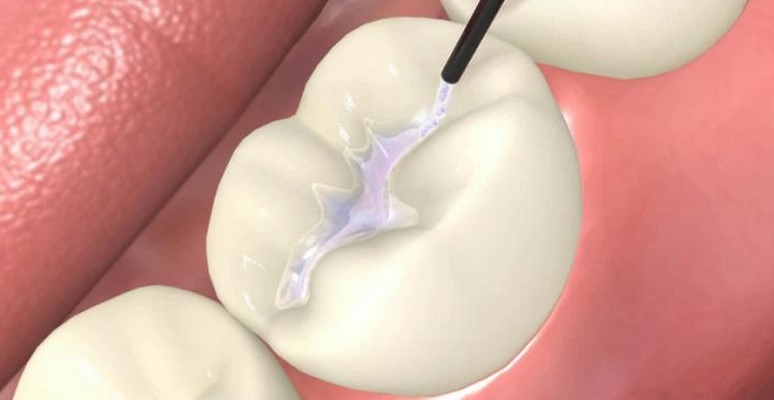
Fortunately, for the benefit of people, there is a fairly simple and economical method of preventing tooth decay, and they are the sealers of pits and fissures, this method involves the use of a special resin (filling), which is placed in liquid form on the pits and fissures that the teeth have, obstructing them, in this way, the dentobacterial plaque that forms cavities, will not be deposited there, and without bacterial plaque, there is no risk of developing caries, says dentist in Saraswati Vihar.

The advantages of using dental sealants are the following:
  1. It does not require anesthesia, so it is a painless procedure and in the case of children or people with phobia to the dentist, this helps to avoid the fear of common dental procedures.
  2. It is quite simple to do; since it only requires a cleaning of the teeth that the sealers will receive, placement of some special substances to create microperforations in the teeth, placement of the adhesive and subsequent placement of the sealant to immediately harden it.
  3. It is quite economical; Although dental procedures are generally not as economical, comparing the cost-benefit ratio obtained by preventing tooth decay, and preventing tooth decay prevents perforations in the tooth that over time can end up with vitality. of the same, sealants result in the cheapest and easiest option to maintain good oral health.
  4. Because cavities do not form, visits to the dentist in Rani Bagh are quite simple and enjoyable for both the patient and the dentist.
It should be clarified that sealants once put in the mouth, have an average life of 5 years, in which the sealant is worn down until it is lost, and it only remains when this happens, visit your dentist in Pitampura again to have a new sealer. Another thing to clarify is that sealants can only be placed on healthy teeth that do not have any existing carious lesion, if a tooth already had decay and a resin filling or amalgam was placed, it is no longer a candidate tooth to receive a sealant.

In addition to having a sealer does not imply neglecting hygiene since although cavities are not going to form on the teeth that received the sealant, poor hygiene causes inflammation of the gums (gingivitis) that if left untreated becomes tartar ( periodontitis) and this in addition to bad breath (halitosis) can cause over time, dental mobility and the possible loss of one or several teeth, explains the best dentist in Pitampura.

Our recommendation is that if you are a young person or as an adult you want to avoid the problems of visiting the dental clinic in Rani Bagh, anesthesia and the sound of the handpiece (drill) you choose the option of sealants, your visits to the dentist in Rani Bagh will only be simple and easy for a long time.

Friday, 11 October 2019

Temporary Dental Veneers. The Expert's Opinion

Veneers

Dental veneers

What are they?
Dental veneers are made of a vitrified or resin porcelain structure. These structures are applied in a healthy set of teeth to ensure that the teeth can change their shape, color and appearance. Thanks to dental veneers in Delhi it is possible to treat teeth, make them clean and healthy, making a perfect smile.

The application of temporary dental veneers is not complex, but the fact remains that more sessions are needed for their application.
For greater clarity, the procedure for applying these facets in the tooth surface will now be illustrated.

The application of temporary dental veneers

An easy but delicate procedure
The application of dental veneers in Delhi involves a very simple procedure that must be carried out with accuracy and precision to ensure the best possible result.

The dental veneers are applied following the smoothing of the teeth and anesthesia.

Once this procedure has been carried out, the veneers are applied to the teeth by means of resin cement.

It is important to note that there are particular types of non-invasive dental veneers on the market that can be applied without any anesthetic and dental polishing procedures; this feature derives from the fact that these dental veneers are very thin and not very thick. Thanks to this type of dental veneers, the application will be faster, simpler and less invasive than the traditional one.

The phases of the application of dental veneers

The procedure in detail
For the application of the veneers best dentist in Delhi advises to follow several phases in a precise and detailed manner; specifically these phases consist in the dental preparation, in the crush of the imprint and in the application of the temporary veneers which, depending on the specific problem, are replaced by the definitive ones.

Now let's talk about the individual steps to understand in detail the application of the veneers.

The first phase

Dental preparation
The phase of dental preparation involves the removal of a very thin layer of dental layer that will be replaced by the veneers. This operation requires anesthesia as it requires the use of some drills of different thickness that can cause discomfort or pain on the patient.

Dentist in Delhi says that this phase needs so much precision and delicacy that they recommend using magnifying glasses.

From what has been said it is understandable why the oral surgeon in Pitampura affirms that this phase is the most important to guarantee the good result of the application of the facets.

The next step

Taking the impression
Following the dental polishing it is necessary to proceed with the impression of the teeth on which the facets are to be placed.

The expert dentist in Rani Bagh, in order to proceed correctly and safely towards the patient, must use a fluid material that is introduced into the gum through a syringe.

After carrying out this operation the same will rest on the teeth an impression tray loaded with viscous material that will acquire the mold of the tooth.

Once the impression is taken, the cast is rinsed and dried in the air and then disinfected.
Dentist in Delhi also affirms that for the success of the intervention the cast must be made with precision, without air bubbles forming in it.

The third phase

The application of temporary veneers
Once this operation has been carried out accurately, all that remains is to apply the temporary dental veneers.

These facets must be applied for a minimum number of days, in order to allow the final ones to be made.

The temporary veneers are necessary to protect the teeth, and to correct their shape even without the need to apply the definitive ones.

In this phase it is appropriate, according to the best dentist in Delhi, to maintain a dialogue between the dentist and the patient, so that he can say how comfortable the structure is or needs to be touched up even on an aesthetic level.

Conclusion

The convenience of dental veneers Dental
Veneers represent, according to the best dentist in Pitampura, an excellent solution to solve any problem concerning the shape or cleaning of the tooth; for this reason it is recommended to use it eliminating the burden of more invasive treatments and definitive veneers.

Thursday, 25 July 2019

Crooked Teeth

crooked-teeth

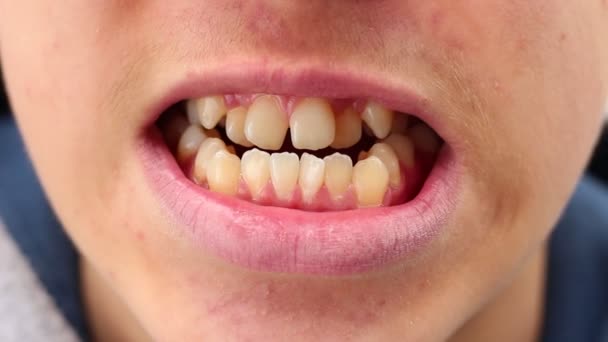
The crooked teeth or malocclusion, is a dental disorder that affects approximately 65% ​​of the population. Perhaps the greatest concern is that not so aesthetic aspect of our smile, but as we will see in this article this problem has many physical and social repercussions, as well as solutions that are within our reach with an orthodontic treatment that does not have to be so expensive.

What is a malocclusion?
The malocclusion is an alteration of the dental alignment caused by various factors. When there is a good occlusion the teeth are straight, fit or there is a correct gear and relationship with the opposing teeth, as well as a correct relationship of the jaws. The structures surrounding the teeth are in harmony and fulfill their function: Biting, chewing, talking, good looks, etc. The main factors of malocclusion are hereditary, by habits etc, explains dentist in saraswati vihar.

Why do crooked teeth come out?
The malocclusions are due to several factors, many of which are still under investigation, but there is a large genetic component, that is, if their parents have crooked teeth, it is likely that the children also present this problem; Similarly, habits such as mouth breathing or digital suction are also influential. One of the biggest causes is tooth decay, since premature tooth loss causes a great alteration in the development of occlusion. We recommend the visit to the orthodontist in Pitampura from 4 years, age where you can identify some factors that cause these problems.

How are they treated?
Modern dentistry today offers many alternatives to solve these problems of dental malposition. Evaluation is essential at dental clinic in Saraswati Vihar to determine what type of procedure is best for us. The first and best alternative is always orthodontics, it is also possible to solve these problems using dental veneers.

What is orthodontics?
Orthodontics is an important specialty of dentistry that is responsible for studying the correction of teeth and their bad occlusion. Orthodontic treatments have the advantage of accommodating and aligning your teeth, giving you at the end of the treatment, a beautiful smile. The time of orthodontic treatment will depend on the case presented by each patient. The average time fluctuates between 12 to 18 months and in cases with dental extractions it can take 24 to 30 months. There are some cases of malocclusion (excessive protrusion of the maxilla and jaw) that will not only require orthodontic treatment but will also require surgical treatment, since the problem is not only dental but also basal or bone structures, explains dentist in Rani Bagh.

What type of attachments is used?
For orthodontic treatment we use:
  • Metal brackets.- These types of brackets are the most economical and the most used. These metal brackets are not very aesthetic, but they are very effective. The cost of this type of device is many times up to 3 times less than other more imperceptible systems.
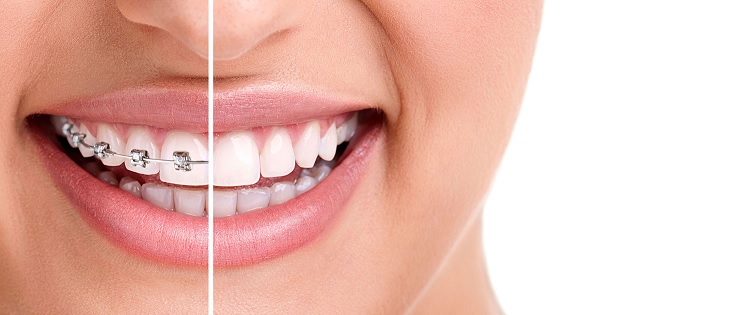
  • Aesthetic brackets.- They are used for any type of age, but most adults use it since they are not visible to the naked eye. They have the same function as metal brackets, but unlike these, these brackets give security to the person and do not feel so ashamed to use brackets.
  • Lingual braces.- This type of invisible orthodontics is preferred by adults, since they are not noticed and the treatment is very discreet. The treatment time and results are the same as other orthodontic systems.
  • Invisalign or Clear aligner.- These are sequential splints that are used to move teeth like braces. They have some limitations and are higher in cost than conventional brace treatment.

How is orthodontic treatment?
Resolving a  malocclusion or correcting crooked teeth is easy if we have the will to do so.
  • The first thing one should do is ask a friend or family member for a reference about a good dentist in Delhi.
  • If we do not find this type of reference we can inquire on the web and request an evaluation consultation that in most cases are free of charge or with reasonable consultation prices.
  • In the first appointment with best dentist in Delhi it will be evaluated in a simple way and you will be given prior information about your particular case. In the same way you will be asked for some auxiliary exams such as x-rays, mouth molds and maybe a CT scan.
  • Once the diagnosis is made, the device is installed (brackets and accessories). For more information you can follow this link: orthodontic treatment steps.

Are extractions necessary?
Dental extractions are not indicated in all cases and the decision depends on the evaluation and the thorough analysis of the auxiliary examinations (photographs, radiographs, mouth molds, etc.) at dental clinic in Rani Bagh. Basically, extractions are performed in cases of malocclusion when the teeth are too crowded (crooked teeth) or there is marked protrusion (what we commonly call "trompudo"). The dental pieces that are extracted are the first or second premolars.
Extractions of wisdom teeth will be indicated by the Orthodontist according to their clinical criteria. In many cases these pieces are removed by an oral surgeon in Pitampura, especially the lower third molars, to guarantee the stability of the treatment and avoid other complications.

Consequences of malocclusion:
  • It makes dental hygiene difficult and causes tooth decay.
  • It can severely alter phonetics or speech.
  • It does not allow a good chewing of food, causing gastric disorders.
  • The malocclusion untreated periodontal disease more can cause tooth loss.
  • It causes social problems, many people are shy or introverted for this reason.
  • It causes joint problems (tic joint).

Tuesday, 11 June 2019

Oral Care of the Elderly

elderly
The mouth and teeth are very important at all ages, not only for an aesthetic issue, but also to maintain good nutrition and avoid complications. Therefore, in the third age, oral care should be as important as other aspects of health. Here is the data you should know to take care of the health of your mouth or that of the beloved one you are attending at this stage of your life, says dentist in Delhi.

There is a saying that is very true: “the years do not come alone”. And certainly, who does not want to stop the passage of time? As we age, the body begins to deteriorate, and discomfort is felt. Some have vision problems, others in the ears, in physical resistance or in the health of the heart, among others.

Unfortunately, there is no way to stop this progress, but we can take care of our body to keep it better prepared to receive the effects of the passage of time. There are many things you can do but naming them all in a single article would be impossible. Therefore, here we will dedicate ourselves to something that often remains forgotten: the mouth and the teeth, which not only allow us to feed well but also to communicate and make us understand.

According to dentist in Rani Bagh, aging can produce changes in the structure and functioning of the mouth, leading to tooth loss or deterioration of teeth, accompanied by dry mouth, loss of taste and other disorders.

Among the most common diseases of the mouth are cavities (an infectious disease that causes the loss of tooth structure) and periodontal disease (which affects supporting tissues and tooth protection, including gums). These conditions are responsible, in most cases, for the loss of teeth in older adults, says the best dentist in Delhi.

In addition, adults often have other chronic diseases that can affect the mouth, such as diabetes, high blood pressure or hypertension, osteoporosis, liver changes, kidney failure, visual, motor and / or mental disorders they cause some degree of immunosuppression (that is, they eliminate or diminish the functions of the immune system, that is, the body’s defense system).

To this is added that, many times, the medicines that the elderly must take to control these or other diseases can also affect the long-term health of the mouth. Some cause a decrease in salivary flow (the amount of saliva) or xerostomia, for example, as certain analgesics (medicines for pain), antidepressants, antihistamines, antipsychotics, antihypertensives, anticholinergics and derivatives of opioid alkaloids.

There are many things that you must keep in mind, right? It is important that you know them so you can talk to your doctor and your dentist in Saraswati Vihar.

In addition, there are several cares that older adults (or their caregivers) may have to prevent the development of diseases in the mouth or to keep them under control. They include the following:
  • Brush your teeth five times a day (upon waking, after breakfast, lunch, dinner and before bedtime).
  • Use wide-bristle toothbrushes and soft bristles and fluoride toothpaste.
  • Use mouth rinses with fluoride, as directed by your dentist.
  • Consult your dentist in Pitampura at least once a year and ask him if you need any special care, such as using dental floss or interdental brushes.
  • If you have motor or cognitive difficulties, it may be more convenient to use rinses or toothpastes with chlorhexidine, always under the supervision of your dentist in Delhi.
  • If you suffer from dry mouth (xerostomia), you may need to use products that stimulate salivary secretion, such as sugarless gum and citrus products. Your dentist could also recommend some medicine, always considering the possible side effects.
  • If you use dentures, it is preferable that you visit the dental clinic in Rani Bagh more frequently, at least two or three times a year.
  • If the prosthesis is removable, it is convenient that you take it to your oral surgeon in Pitampura to do a cleaning with ultrasound and polishing of the surface every six months and that you keep them daily according to the indications that he or she has given you.
  • If you have lost all your teeth, you should gently clean the gum, at least after each meal, with a soft brush or gauze soaked in an antiseptic substance called chlorhexidine.
Finally, keep in mind that older adults can also suffer from aphthae or other discomfort in the mouth. Therefore, in addition to the recommended periodic controls, it is important that you consult your dentist in Rani Bagh if you have pain, if you see spots or a strange lump, if the aphthae are recurrent, if you think you have cavities or have problems to bite, as well as if You have any doubt.

Many times, dental treatments can be very expensive. If you exceed your chances, do not be embarrassed and talk to your dentist at dental clinic in Saraswati Vihar to see if it is possible to offer you a more accessible treatment. Or maybe I can refer you to another place where they can do it.

There is always something that can be done to take care of the health of your mouth. It is better to prevent than to remedy. Learn to take care of your oral health, so not only avoid unnecessary inconvenience but you can also continue to enjoy your favourite foods and wearing a beautiful smile, at any age.

Friday, 31 May 2019

Dental Cleaning in Delhi: What is it, what can I get?

dental_cleaning
We continue our blog with another of the most common concerns among our patients, oral hygiene and dental cleaning. Many times our pace of life prevents the proper care of our mouth, therefore, we resort to the professional cleaning of dentist in Delhi. But do you know what is a dental cleaning and everything you can get with it? We tell you

What is dental cleaning and why do I need it?

In the first place, it is necessary to understand what dental cleaning is, it is a procedure aimed at improving the condition of the mouth and above all it is used to prevent multiple oral diseases . Such as gingivitis, halitosis, cavities, tartar, spots, etc ... but also can help us improve the appearance of the teeth.

As dentist in Rani Bagh says, when dental hygiene is not correct or is insufficient, tartar and spots appear. These, in addition to causing an unsightly effect on our smile, can lead to more serious illnesses and problems that require more serious procedures to restore health to our teeth.

Therefore, if you want to recover the hygiene in your mouth and boast of healthy teeth, you need a dental cleaning.

How is this dental treatment done?

Cleaning is a painless procedure that can only cause small discomfort in specific places and areas of your teeth.

It must be borne in mind that quality dental cleaning has several phases, all of great importance.

Preliminary analysis

Your dental hygiene treatment begins in our practice at the hands of our best dentist in Delhi where they will study your case and detect the different problems. For example, areas with tartar, possible decay, inflamed gums, spots, etc.

In this way, your dentist in Saraswati Vihar will be able to advise you on the points that should be affected, and the sessions that you will need.

In addition, this way you can give advice to take better care of your daily dental hygiene, proposing techniques and products appropriate to the state of your mouth.

Elimination of bacterial plaque

Now, the procedure will begin so that an anesthetizing cream will be applied to the teeth - depending on the case - to avoid pain in more sensitive areas.

Then the dentist in Pitampura by means of an ultrasound tip, ends with the superficial tartar, also removing the bacterial layer causing different oral diseases.

In addition, it is possible to attenuate the most superficial spots that are caused by different drinks and foods and that are complicated to avoid with the daily dental hygiene.

Subgingival cleaning

Many times, patients believe that tooth cleaning is a merely superficial procedure and that it is only done in the most visible part of our teeth. But in reality, dirt and bacteria are also found under the gums and can be dangerous if left untreated.

Therefore, during the buccal cleaning process, the oral surgeon in Pitampura will also perform subgingival work, that is, under the gum line, to achieve excellent results and a totally healthy mouth.

Polishing: teeth like new.

To finish with the procedure, a polishing is carried out that helps to completely smooth the surface of the teeth and to finish in the most efficient way with the dirt in the whole surface of the pieces.

With this polishing also, products that care for and reinforce the enamel and the structure of the teeth are used, in addition to giving a more uniform color to eliminate unsightly stains.

As we said, each of the stages of a dental cleaning are vital to achieve complete hygiene and leave the dental clinic in Rani Bagh with a healthy and clean smile.

When a mouth cleaning is necessary, how many sessions do I need for total hygiene?

There are no established norms nor a strict calendar for this treatment, but it will depend on the situation of each patient.

Those people who are more prone to suffer from oral diseases, it is of great importance that they take care of their daily hygiene, and that they support it with periodic dental cleaning sessions, every 3 months or even monthly in the most problematic cases.

However, there are those who are able to maintain good dental health and need little this type of treatment, therefore, as the best dentist in Delhi, it is recommended that at least one dental cleaning be performed every six months.

This is important because sometimes, it seems that the state of the mouth is perfect, but at home, we do not always see all the areas that may be affected. For these reasons, we recommend that you go to our dental clinic in Saraswati Vihar and ask for an appointment so that our dentist in Saraswati Vihar can assist you and advise you in a personalized way.

Precautions and recommendations after cleaning.

Being a minimally invasive treatment, we will not find complications or follow specific treatments or care, but we must follow some advice so that the results are long lasting and we can maintain a clean and healthy mouth:
  • Avoid foods and foods that stain: coffee, dyes, tea, wines ...
  • Total daily and constant cleaning : Follow the recommendations of your dentist in Delhi and use the specific products that you have prescribed. Brushing after each meal, at least three times a day, affects the most inaccessible areas and internal faces that tend to forget.
  • Supplement your hygiene : It also uses a proper and specific mouthwash to complete daily oral hygiene.
How much can a mouth cleaning treatment cost?

The entire procedure can be modified according to the patient, the conditions in which his oral hygiene is found and the results that are expected to be achieved.

Therefore, many times the cost may vary . Therefore, you should consult with our dentist in Rani Bagh who will advise you in a personalized way and advise you on the type of oral cleaning most suitable for you.

Sunday, 5 May 2019

Teeth whitening: how is it performed and what side effects does it have?

teeth-whitening

Dental whitening is one of the most demanded treatments at dental clinic in saraswati vihar currently because the aesthetics of our mouth and smile is a very common concern.

Many people are not satisfied with the appearance of their teeth so they resort to perform a teeth whitening. Although it is normal that we come up with a series of doubts before doing it.

One of the most frequent doubts is the concern about the effectiveness of this procedure, as well as the side effects that it could have. The best dentist in Delhi explains all the questions you have to know about these aspects.

How are teeth whitening treatments performed?

According to the dentist in Delhi, the purpose of tooth whitening is to clarify the whiteness of the enamel of the teeth, one or more shades that, over time, lose their original colour. We can find two different methods for this:

First, we can find outpatient whitening . This treatment consists of making splints with the patient's measurements. In them, with a syringe, whitening agent is applied. For the treatment to be effective, the patient will have to take them for about four hours a day, approximately, to be effective.

On the other hand, combined teeth whitening consists in joining the treatment of splints with a session of cold light lamp or laser in the dental clinic in Pitampura. This use enhances the action of the bleach. In this way, better results are achieved and will last longer in time.

In both cases, the bleach penetrates through the pores of the enamel, reducing the colour of the tooth surface in several shades. Although we speak of a minimally invasive treatment, some people can suffer certain side effects that can be annoying to the patient.

What are the possible side effects of tooth whitening?

Teeth whitening is a very simple and painless treatment, although a series of side effects can appear.
  • Dental sensitivity : this is the most frequent effect among patients. By penetrating the bleaching agent to the dentine through the pores, this effect can be experienced. If after suffering tooth whitening you suffer, do not worry because it is a very common symptom and it is temporary.
  • Gum irritation : the gums may be exposed to the bleaching agent and suffer irritation. This will disappear when the product stops being in contact with them. Although if the inflammation is very acute, it is preferable to interrupt the treatment.
  • Burns : when products with a higher concentration than recommended are used, they can become burns in areas such as the lips or gums, and even cause abrasion of the tooth enamel. Although this effect is not frequent when performing dental whitening under the supervision of a dentist.
  • Allergic reactions : some patients suffer allergic reactions to the components of the bleaching agents. If this happens, the procedure has to be stopped immediately.
Can I reduce the risk of these side effects?

Following a series of steps and taking into account some aspects such as nutrition, consumption habits or improve our oral hygiene can prevent us from the possible side effects of tooth whitening.

Use desensitizing toothpastes

It is very common to suffer tooth sensitivity with this treatment. If this occurs, use a desensitizing toothpaste . This will close the open pores of the enamel, which leave the dentin exposed, and reduce the sensation of tooth sensitivity, recommends oral surgeon in Pitampura.

Pay attention to your eating habits

According to the dentist in saraswati vihar, one of the ways to combat tooth sensitivity is to avoid very cold or hot foods and drinks. In addition, feeding can also help to stabilize the results of the treatment.

Reduce the consumption of beverages such as coffee, red wine, or tea to maintain the whiteness of the teeth. Increase consumption of beverages and white foods such as water, rice or milk during treatment to avoid staining.

Always attend specialized clinics

We can find many bleaching products in the market. They are cheaper and, supposedly, promise to be effective. It is important to go to a dental clinic in which a specialist is responsible for monitoring the treatment. Thus, the risk of suffering side effects will be lower because in dental clinic in Rani Bagh, the bleaches are of quality and are not abrasive so that the tooth enamel is not damaged, says dentist in Rani Bagh.

Custom-made splints are designed to reduce contact between the bleach and the gums. This prevents irritation and the process will be more comfortable for patients.

Finally, it is important to know that only whitening treatments can be done for those whose mouths have a perfect state of health. The specialist will be the one who will check the state of this and verify that there are no caries or other periodontal diseases.

As a general rule, before performing the treatment, professional oral hygiene is usually carried out.

Avoid home remedies as much as possible

On the Internet we can find a variety of remedies that usually indicate the effectiveness of the same teeth whitening. These treatments are carried out with abrasive products that can damage the tooth enamel.

How can I get longer teeth whitening?

Getting the whitening result to last over time depends on many factors . Among them, highlights aspects such as habits of consumption and dental hygiene or the degree of enamel staining.

Not in all cases, whitening is an effective process, since it will depend on each patient. For example, those who have stained teeth due to tetracyclines, whitening is ineffective to remove stains.

On the other hand, smoking is a negative habit for the colour of teeth. If you have a teeth whitening treatment and you have this habit, the results will come back much sooner.

In addition, it is necessary to know that when we undergo a treatment of this type, maintenance of the whitening should be done periodically. As a general rule, this maintenance is usually done once a year if the enamel shows spots. If there are no spots, they can be done more sporadically, as recommended by the specialist.

If you have any questions about the side effects of this treatment or want to do it, do not hesitate to contact us.

Thursday, 11 April 2019

Dental Check-ups: why are they so important?

dental

Many people only remember to go to the dentist in Delhi when they have problems in the mouth. However, this bad habit of not having dental check-ups could be harmful not only for your dental health but for your general health, says Dentist in Rani Bagh.

In fact, the mouth is a window into the general health of the body: it reflects the state of general health. Certain diseases can be discovered through a Comprehensive Oral Exam at Dental Clinic in Rani Bagh, even before the symptoms appear in other parts of the body. In addition, in the mouth we can see some injuries that can alert us about vitamin deficiencies, lack of minerals or deficient nutritional states.

According to the best dentist in Delhi, the association between oral microbial infections such as periodontal diseases and systemic disorders is not a new concept. Today we have a large amount of evidence that highlights the association between oral health and a wide variety of diseases.

Diseases of the gums

Gums should not bleed when you brush your teeth or floss. The bleeding in these cases evidences a possible disease of the gums.

Gingivitis, the milder presentation of gum disease, arises as a response to the plaque that is formed by bacteria between teeth and gums. If the plaque expands, the immune response increases and can destroy the tissues and bones in the mouth, causing spaces between the teeth that can become infected. In this case, the disease of the gums is called Periodontitis, which can become chronic, says Oral Surgeon in Pitampura.

Teeth falling

Both tooth decay and gum disease can cause tooth loss.

Bad breath or halitosis

According to dentist in saraswati vihar, bad breath affects about 65% of the population. Halitosis can be a symptom of many diseases, but the number one cause is poor dental hygiene.

Complications in pregnancy

Gingivitis affects between 60 and 70% of pregnant women. When pregnant women have serious dental problems, their babies are more likely to develop tooth decay. In addition, poor maternal dental health is also associated with advanced births and low birth weight, says Dentist in Pitampura.

Diabetes

Dentists have long known that diabetes is a risk factor for periodontitis. However, recent studies indicate that this relationship could be bidirectional. Poor dental health can also be a risk factor for insulin resistance and diabetes. Some studies have even indicated that in patients suffering from both diseases, resolving periodontitis can improve the control of diabetes.

Stomach ulcers

In people with periodontitis, the plaque that forms in the spaces below the gums can be transformed into a reservoir of Helicobacter pylori, the bacteria responsible for stomach ulcers. This bacterium can be transmitted orally, and large epidemiological studies have found a relationship between periodontitis and positive test for this bacterium, which is also a risk of stomach cancer.

Cancer

Gum diseases and dental problems are also associated with the human papilloma virus, HPV, which causes almost 80% of oral cancers. Other research has suggested that periodontitis can promote the growth of cancer cells in the mouth.

As you can see, dental check-ups do not just help you
  • Maintain an attractive and healthy smile
  • Maintain the organism's functionality
  • Save costs in dental treatments
They are also essential for your general health.

Sunday, 7 April 2019

Orthodontics, is it also for adults?

orthodontics

Until very recently, most people thought that wearing orthodontics was only for children and adolescents. However, this belief is false, since, in general, whenever a mouth is healthy, dental braces can be placed, whatever the age of the patient. Nowadays, it is very common to see adults with braces, for example, with the aim of improving their smile or correcting the bite.

Most of what they get is to improve their oral health and, in addition, increase their self-esteem.

These are some of the reasons why, whatever your age, it is good to follow an orthodontic treatment if it has been recommended by the best dentist in Delhi:
  1. Because teeth can move at any age
Whether due to illness, injury or by nature, teeth can begin to move at any age. Even if you've had your teeth aligned throughout your life, now your smile may look crooked. Perhaps, in your case, you have taken orthodontics in your childhood and now you may need some orthodontic correction by orthodontist in Pitampura after so many years.
  1. To avoid serious problems in the teeth and gums
Having a bad bite or misaligned teeth is very common in adults. These problems favour plaque and food debris remaining between your teeth, which is a risk factor for the onset of periodontal disease or gum disease. The consequences could also be translated into irregular wear of the tooth enamel, the appearance of caries, recession of the gums, loss of bone and teeth ... Among other things, a bad bite or misaligned teeth could favour the appearance of the syndrome of the temporomandibular joint, a disorder that causes discomfort in the jaw, says dentist in Pitampura.
  1. To avoid other health problems
If your teeth are not aligned or your bite is not correct, you may not face only oral health problems if you do not go to the dentist in Rani Bagh to solve them. The temporomandibular disorder mentioned above, for example, causes pain in the jaw, in the ear and in the temple, which can affect the quality of your sleep hours. A dental malocclusion does not allow you to chew food properly, which could cause digestive problems. What's more, periodontal disease is related to health problems such as diabetes, heart disease and heart attacks.
  1. Bring orthodontics: because now they are better and less visible
Orthodontics has evolved a lot over the years. That "mouth full of iron" is a thing of the past, since nowadays metallic orthodontics is much more discreet. In addition, now there is also porcelain orthodontics, with a colour very similar to that of your teeth. On the other hand, there is lingual orthodontics, which is placed inside the teeth. Finally, there is the invisible orthodontics, with Invisalign, which has no metal or wires, which has made it one of the most demanded treatments at dental clinic in Pitampura. Your dentist in Saraswati Vihar will be the one to help you choose what type of orthodontics is best for you.
  1. Because life expectancy has increased
Every time we live more years and, want or not, we all prefer to keep our teeth for life. Therefore, it makes sense that we invest money in aligning our teeth if that increases the chances of having good dental health, good general health and a better appearance for as long as possible. More and more adults are choosing to undergo orthodontic treatment.
  1. To improve your smile
Last but not least, many people choose orthodontics to improve their smile. The smile is one of the first things that people who cross your path see. A beautiful smile could make a difference in both the professional and social fields. It's worth doing a little effort to get that smile you've always wanted to wear. It will increase your confidence in yourself and, in addition, it will improve your quality of life in an incalculable way.
Find out about orthodontic treatments at dental clinic in Rani Bagh. In your first consultation, the dentist in Delhi will assess with you the different options to confirm which one is the best for you. Because wearing orthodontics is not just for children and teenagers, it's also for you!

Thursday, 7 March 2019

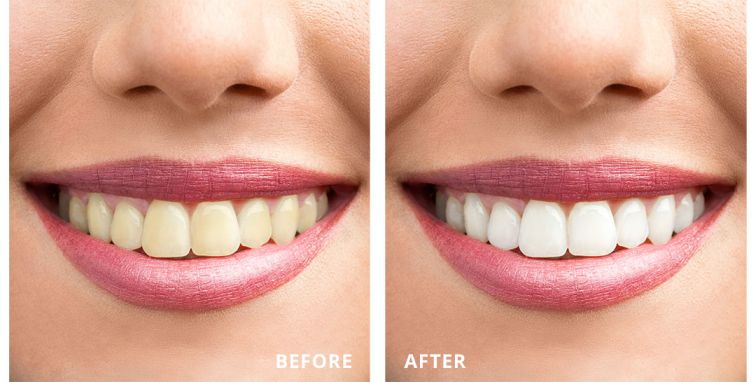
Teeth Whitening or Dental Veneers?

teeth whitening

Do you have yellow teeth and are you ashamed to smile? Cannot find how to solve this problem? Currently in the market there are several alternatives, but the most demanding are teeth whitening and dental veneers.

Both treatments at Dental Clinic in Rani Bagh are suitable to eliminate the yellowish colour of your teeth and both help you achieve a more beautiful and aesthetic smile. In this way, the choice of one or the other depends on the case of each patient and it must be a qualified professional who is in charge of advising you which is the most appropriate.

In this sense, the treatment of teeth whitening consists of the application of chemical products on the surface of the tooth that, due to an oxidation process, causes the tone of the teeth to become lighter. These procedures have to be supervised by a dentist in Delhi since the chemical agents used can cause abrasions or damage to the gums. At Dental Clinic in Rani Bagh we use cold light whitening, thanks to which the patient can clarify several tones in a single session and with the guarantee of taking care of both the teeth and the gums.

Although there are different types of whitening, the best results are obtained at the dental clinic in saraswati vihar, in fact, you can get results in just one or two sessions because the concentration of whitening gels is much higher, around 35%.

This treatment is not recommended if you have:
  • thin little enamel
  • tooth sensitivity
  • cavities
  • periodontal disease
For their part, dental veneers are very thin porcelain sheets that are placed on the front of the tooth. This treatment brings a much whiter colour to the surface of the tooth. However, it extends the benefits since it allows to correct defects in the shape of the teeth, making them more homogeneous and therefore more attractive, says Dentist in Rani Bagh.

According to the best dentist in Delhi, the main advantage of dental veneers is their good result, because thanks to materials such as composite or ultra-thin veneers of e-max you do not need to carve the tooth. In addition, they are very resistant and do not wear out so they stand the test of time.

Causes of tooth colouring

Dental coloration is one of the main reasons why the majority of the population opt for teeth whitening treatments or dental veneers to recover the whiteness of their smile.

In this sense, the dentist in saraswati vihar, explains what are the main causes of tooth colouring:
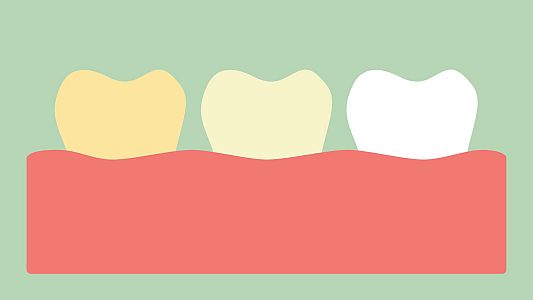
  • Inadequate diet: Abuse of food such as coffee, tea, cola drinks, red wine or citrus juices.
  • Harmful habits: tobacco abuse.
  • Medicines: Constant consumption of tetracyclines, doxycycline (antibiotics), antidepressants, antihistamines, mouthwashes with chlorhexidine or excess fluoride.
  • Bad oral hygiene: Do not brush your teeth after each meal involves the accumulation of plaque and tartar and eventually the appearance of spots.
You know, if you want to have a perfect white smile you have to take care of your teeth. If you already have spots, opt for teeth whitening or dental veneers, but always without forgetting that the choice of one or the other treatment should be recommended by a professional. Go back to smiling at life!

Thursday, 28 February 2019

Dental Crown

Dental Crown

What is the Dental Crown?

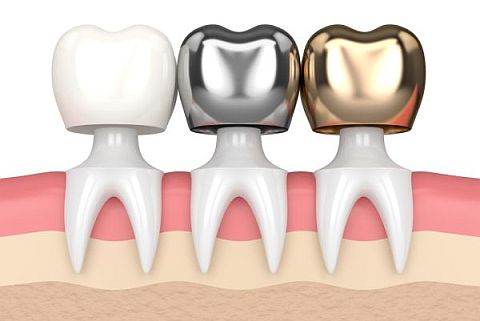
The dental crown is basically a dental cover that is made to measure. The result is a prosthetic tooth similar in shape and colour to the original tooth. With dental crowns we can cover a diseased tooth completely, for different reasons. It is a simple procedure, which presents a quite natural appearance in the smile. Nobody will realize that you have a case, says dentist in Delhi.

When do we turn to dental crowns?
  • Coating a tooth: the dental crown is perfect for covering a damaged tooth. Generally, after carrying out an endodontics the custom-made sleeve is placed in the Dental Clinic in Rani Bagh.
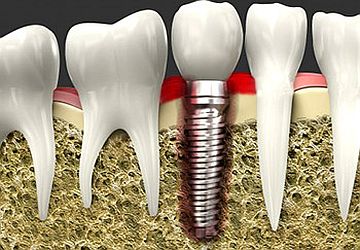
  • Implant crown: the crown is also used to complete the treatment of Dental Implant in Rani Bagh after tooth loss.
  • Aesthetics: dental covers are also used to cover a tooth or tooth that aesthetically does not look nice.
  • Dental bridge support: Dental crowns can be used to support a bridge when there is a lack of teeth around the sheath.
Types of dental crowns
  1. Porcelain
At dental clinic in saraswati vihar the dental crowns that we usually recommend are ceramic or porcelain. They present almost perfect similarities to the natural tooth and provide very good resistance.
  1. Resin
Resin crowns are not usually the choice of Dentist in Rani Bagh. As a provisional dental cover, while the final crown is made they are fine, but they are not strong enough as other types of dental crowns.
  1. Zirconium crowns
In terms of price, zirconium dental crowns are the most expensive. But they are also the best properties, both aesthetic and mechanical present. Zirconium has characteristics very similar to natural tooth enamel, as they offer a unique transparency. We like to recommend this type of covers to give support to the most visible dental pieces, since their properties are perfect. In addition, zirconium is one of the most avant-garde and resistant materials used in dentistry, says dentist in saraswati vihar.
  1. Metal crown
These dental covers are made with gold, nickel or platinum. As for resistance, they are great, but they are not aesthetic at all. Thanks to their properties they are crowns for life, although they are used very little in dental clinics.
  1. Porcelain and metal
Resorting to this combination of materials is an alternative, since it offers the advantages of both types of dental crown. Your choice is contingent upon the state of the tooth to be restored. Sometimes, when the tooth is severely damaged, this solution improves adhesion and functionality. The base of the crown, which is placed on the tooth root, is metallic and the most visible part is made of porcelain. It is not usually an optimal option when there is gingival retraction, since the metallic line would be seen on the gums.

How can we keep our crown in good condition?

According to the best dentist in Delhi, the most important thing is to maintain good dental hygiene. If the teeth or bone that hold a bridge or an implant are in poor condition due to periodontal disease, for example, we will probably lose the crown or the bridge will loosen. In addition, it is essential to periodically visit the dentist for a review of the condition of our crowns or bridges.

Saturday, 23 February 2019

Can dental implants cause problems?

Dental Implant Problem

If you have to put dental implants and you have doubts about their possible complications, we will discover the most common situations you can find.

Implants are one of the most popular dental solutions today because they allow you to replace a tooth with a new one in perfect condition. But you have to know that dental implants can give certain problems. It is not something that happens in the vast majority of patients, but nevertheless, it never hurts to know the possible complications that may arise.

The most common problems of Dental Implant in Rani Bagh

First of all, it is important to note that 95% of dental implantology cases are successful. Therefore, when we speak of "complications" we refer to situations that take place in the large minority of cases, says Dentist in Rani Bagh.

However, it is interesting to know the possible problematic cases that may appear after the dental operation has been performed. Here we discover them:

Normal post-surgical reactions

After having undergone the operation at Dental Clinic in Rani Bagh, some conditions can appear that are easy to treat and solve. Some of them are the following:
  • Pain in the nerves of the gums
  • Inflammation of blood vessels
These are the most common situations that occur after the operation and that can be easily treated in the dentist's office.

Post-operative complications

Rejection of the implant

However, there are other types of complications that are somewhat more serious, although, as we have already pointed out, they only affect 5% of patients. One of them is the rejection of the implant, that is, the body does not finish accepting this new piece and recognizes it as something strange. Therefore, it will try to expel it with different procedures, says best dentist in Delhi.

In these cases, you have to choose to remove the implanted piece and look for other methods to take care of oral health.

Allergic reaction to the implant

First of all, it is important to note that the implants are made of titanium. This is a biocompatible material with our body and, therefore, it is very rare that an allergic reaction occurs. But it's not impossible, says Oral Surgeon in Pitampura.

According to Orthodontist in Pitampura, there have been cases of patients who have experienced reactions to some components of these implants. In these cases, the piece should be removed and counselled by an allergist to determine what is causing this allergy.

Weakening and loss of bone structure

Another problem with dental implants is that they make the bone that supports and supports them weaken when affected by periodontal disease in the same way that it affects the teeth. For this reason, before making the implantation, it is important to check if there is enough bone for the operation, says dentist in Saraswati Vihar.

Implant rupture

It may also be the case that the implant placed breaks with time. It should be noted that this situation is very rare, since the material with which the implants are manufactured are increasingly resistant. However, it can happen that the metal bends and breaks over time. In these cases, it will be enough to replace this piece with a new one at dental clinic in Saraswati Vihar.

Tips to avoid complications with dental implants

According to Dentist in Delhi, to avoid suffering from any of the complications that we have just indicated, it is important that you be careful with your implants. For this reason, it is recommended that you follow the prescription of the dentist to the letter and, if necessary, take analgesics or anti-inflammatories to calm the pain.

In addition, it is recommended that you follow these hygiene guidelines that will help you care for and protect your implants:
  • Extreme oral hygiene: you have to brush your teeth 3 times a day
  • Use flossing once a day
  • Make mouth rinses also once a day to avoid tartar
  • Do not smoke during the first weeks of the operation
  • Do not eat foods too sugary
  • Go to the dentist on a regular basis and to the maintenance reviews of the implants