Showing posts with label dental clinic in Saraswati Vihar. Show all posts

Friday, 24 January 2020

Basic tips before getting a Dental Implant

Although more than 80% of implants placed continue to function properly after 15 years, from the dental clinic in Rani Bagh they insist that the patient should follow some advice before deciding to have a dental implant.

Currently, dental implants are among the most reliable surgical techniques of all those performed in human beings. Despite this reliability, from the dental clinic in Saraswati Vihar, they insist that patients have to follow some basic tips that will help them choose the most suitable center and have some knowledge of what the surgical intervention they will undergo will be.

What should you know about dental implants?
They are metallic elements that are surgically placed in the jaws below the gums, restoring the lost dental parts. The implant fuses with the jaw bone, providing stable support for artificial teeth. An advantage of this procedure is that it does not require the wear of adjacent parts, explains the dentist in Delhi.

Dental implants act as substitutes for dental root. They are the basis on which crowns or prostheses can settle to replace teeth that have been lost. Although this is the ultimate goal, it is essential to sit calmly and plan in detail a treatment that is stable, functional and aesthetic in the long term before placing an implant.

The first thing the dentist in Rani Bagh will do will be a comprehensive, dental and periodontal medical history to assess possible interference between the patient's overall health status and implant treatment.

What is the initial phase of dental implant study and planning?
It is the moment when the implant team will advise you and give you all the information you need. Keep in mind that treatment with osseointegrated dental implants is simple, but of high technical complexity. It must be well studied and planned.

This phase aims to:
  • Provide information about the implants or the type of prosthesis indicated.
  • Help choose the ideal time to perform the treatment.
  • Individually check the oral and general health status of the patient for possible risks or contraindications of the treatment to be performed.
  • Inform the patient of the appropriate treatment plan.
  • Prepare the recovery of your comprehensive health, guiding you on other possible treatments that you may need, whether dental (periodontal, restorative...) or general.
With all the information provided by the patient's models, the scanner or x-ray, the patient's medical history, the patient's mouth, and what the patient demands or expects from treatment, the dentist in Saraswati Vihar can predictably plan the number and location of dental implants, as well as the shape, size, and orientation of the final restoration.

According to the Best Dentist in Delhi, "the treatments with Dental Implant in Pitampura that we perform have worked very positively and with very good results, both in duration, comfort, reliability, and aesthetics. To achieve these results, patients should follow some basic tips before having a dental implant, so that the whole process, from start to finish, goes smoothly."

Therefore, the dentist in Delhi recommends following some basic tips:
  • Choose a trusted and referenced dental clinic.
  • Have direct dealings with the dentist and absolute trust in who will perform the surgery.
  • Establish a close and mutually trusting relationship with the dental implantologist in Pitampura.
  • The chosen center must report all possible treatments, from the number of implants to the type of prosthesis, either removable or fixed.
  • The patient must be informed of the type of implant to be carried and the trademark, as well as the type of prosthesis the material from which it is made.
  • Another factor to consider is the time, from the beginning of the surgery phase to the time of implanting the parts. To shorten the patient's stay at the center and reduce their distress and stress.
  • Likewise, the patient must know at all times what is going to be done in his mouth and what the waiting time will be. On the other hand, the aesthetics are also of concern and that is why the client has to know if after surgery and until the time of the implant will be able to wear a prosthesis or not.
Another important aspect is that the patient must be informed about any setbacks that may arise with the implants.

Sunday, 12 January 2020

Dental Checkups: why are they so important?

Dental-Checkup

Many people only remember going to the dentist in Delhi when they have mouth problems. However, this bad habit of not having dental checkups could be detrimental not only to your dental health but also to your general health.

In fact, the mouth is a window to the general health of the body: it reflects the general state of health. Certain diseases can be discovered through a Complete Oral Exam at dental clinic in Rani Bagh, even before symptoms appear in other parts of the body. In addition, in the mouth we can see some lesions that can alert us about vitamin deficiencies, lack of minerals or nutritional deficiency states.

The association between oral microbial infections such as periodontopathies and systemic disorders is not a new concept. Today we have a large amount of evidence that highlights the association between oral health and a wide variety of diseases, explains the dentist in Rani Bagh.

Gum disease

The gums should not bleed when you brush your teeth or floss. Bleeding in these cases shows a possible gum disease.

Gingivitis, the mildest presentation of gum ailments, arises in response to plaque that is formed by bacteria between teeth and gums. If the plaque expands, the immune response increases and can destroy the tissues and bones in the mouth, causing spaces between the teeth that can become infected. In this case, the gum disease is called Periodontitis, which can become chronic, warns the dentist in Delhi.

Tooth drop

Both tooth decay and gum disease can cause tooth loss, says the oral surgeon in Pitampura.

Bad breath or halitosis

Bad breath affects about 65% of the population. Halitosis can be a symptom of a large number of diseases, but the number one cause is poor dental hygiene.

Pregnancy complications

Gingivitis affects between 60 and 70% of pregnant women. When pregnant women have serious dental problems, their babies are more likely to develop cavities. In addition, poor maternal dental health is also associated with advanced births and low birth weight.

Diabetes

Dentists have long known that diabetes is a risk factor for periodontitis. However, recent studies indicate that this relationship could be bidirectional. Poor dental health can also be a risk factor for insulin resistance and diabetes. Some studies have even indicated that in patients suffering from both diseases, resolving periodontitis can improve diabetes control, says the dentist in Saraswati Vihar.

Stomach ulcers

In people with periodontitis, plaque that forms in the spaces under the gums can become a reservoir of Helicobacter pylori, the bacteria responsible for stomach ulcers. This bacterium can be transmitted orally, and large epidemiological studies have found a relationship between periodontitis and the positive test for this bacterium, which is also a risk of stomach cancer.

Cancer

Gum diseases and dental problems are also associated with the human papillomavirus, HPV, which causes almost 80% of oral cancers. Other research has suggested that periodontitis can promote the growth of cancer cells in the mouth.

As you can see, dental check-ups at dental clinic in Saraswati Vihar not only help you to
  • Maintain an attractive and healthy smile
  • Maintain the functionality of the organism
  • Save costs in dental treatments
They are also indispensable for your overall health.

Monday, 6 January 2020

VENEERS: ADVANTAGES AND TYPES

Dental Veneers

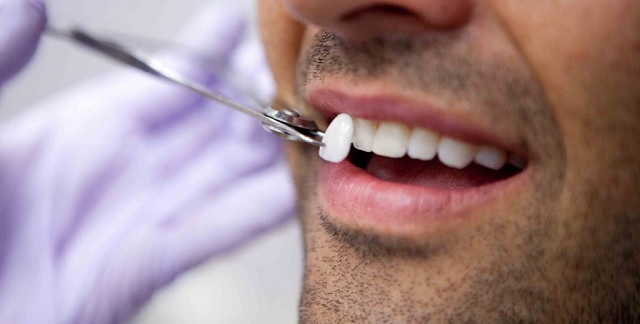
The dental veneers are thin foils of composite or porcelain fixing in the outside of the tooth. It is an aesthetic treatment that allows you to get a perfect smile. With this technique, it is possible to correct certain deformations and irregularities, such as broken, short or small teeth. Also, the pieces rotated or inclined. Excellent results are achieved, with a method that is neither invasive nor aggressive. In the following article by the dentist in Delhi you will know more details about them.

Advantages of dental veneers
  • It is not an aggressive treatment. Due to its characteristics, its placement only implies a slight carving of the tooth and in some cases, it may not even be necessary, explains the dentist in Rani Bagh.
  • You get a natural look. As they are ultra-thin, they are barely perceived. A natural result is achieved, only those who appreciate the great change that has occurred in the smile will realize that the treatment has been performed.
  • It is a quick treatment at the dental clinic in Rani Bagh. In the case of composite dental veneers, only one session is necessary. While in one of the porcelain in three visits the final result will have been reached.
Types of dental veneers

Once you know its main advantages, we show you the two types of dental veneers in Delhi that we offer you.

Composite dental veneers
To make composite dental veneers a resin-derived material is used, which can be molded and mimicked 100% with the patient's teeth. It is not an invasive technique, since to place each veneer you hardly have to touch the outer surface of the tooth. They are perfect when you want to correct slight color, position or shape alterations.

This type should be checked every year by the dentist in Saraswati Vihar, since it is a less stable material than ceramic. This fact may lead to a slight change in color over time. In this review, any alteration that has occurred can be repaired. They are placed in a single session, since the resin is molded on each piece until the desired shape and color is achieved. It is a material that mimics the tooth, and adheres using a special light source, which allows the paste to harden and stick to each piece. We emphasize that it is a painless technique, since it almost does not touch the tooth. Therefore, in most cases it is not necessary to use anesthesia.

Porcelain Dental Veneers
Porcelain veneers offer a higher quality than composite veneers. Their main advantage is that once they are placed, they hardly need maintenance. In addition, the results achieved are more natural and also last longer, explains the best dentist in Delhi.

The porcelain veneers are made taking into account the needs of each patient. Unlike the composite ones, more than one appointment is needed for this technique. These are the steps that are followed until completing the treatment:

1st visit. In the first visit each patient is studied individually, photographs are taken and videos are recorded to design their ideal smile. The measurements are taken and a mold is removed to obtain a provisional model, before the final one.
2nd visit. The tooth is superficially carved to adapt the piece to the porcelain used. The patient will leave the clinic with provisional veneers.
3rd visit. The final porcelain dental veneers are placed.

It is true that the price of porcelain veneers is higher than that of composite parts, but it is not less that they offer a higher quality result. They are the perfect option in these cases:
  • Dental fractures
  • Short teeth
  • Microdontia (teeth with a size smaller than the rest).
  • Cone teeth (cone-shaped incisors).
  • Major color changes.
  • Dentures that have previously been restored with composite.
  • Complete remodeling of the smile.
If you want to show a perfect smile, veneers are the best option. Request your appointment now, at dental clinic in Saraswati Vihar we will study your case and give you the solution you need.

Sunday, 24 November 2019

Toothache? What you should know…

Toothache

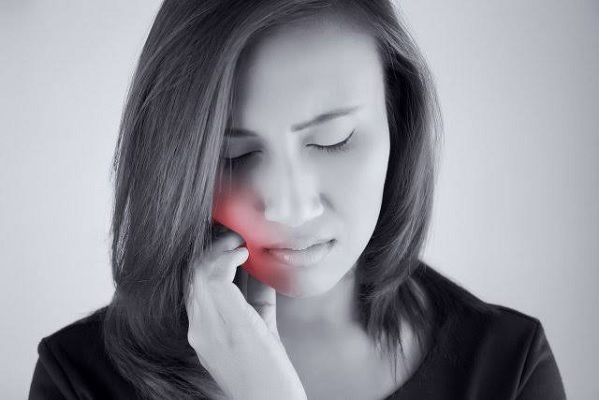
They say that toothache is one of the worst pains that can be felt. The truth is that by saying "molars" people also refer to teeth, but it is a popular way of speaking. Regardless of whether the pain is in a tooth or a tooth, even if it is not very acute, it can indicate a problem that should be remedied as soon as possible. Therefore, if your teeth or teeth hurt, keep reading, this article will help you understand the causes. And after you finish reading, visit your dentist in Rani Bagh!

When you feel pain, it means that something is wrong. The human organism is so perfect, that it warns you that something needs attention, or sends you a signal by lighting “your alarm” in the form of pain. Can you imagine that you are in the middle of a delicious dinner and suddenly feel intense pain in a tooth or a tooth? Or that suddenly, you begin to feel an unbearable stab in your mouth? Toothache or pain in the teeth indicates that there is something that is not right in your mouth and that you should pay attention immediately, explains best dentist in Delhi.

Why do your teeth hurt?
There are several possibilities, including:
  • Caries, which is commonly called "tooth sting," which is caused when bacteria produce acids that destroy the tooth.
  • Abscess in the teeth (is the damage caused at the root of the tooth or between the tooth and the gum due to advanced caries)
  • Infected gums
  • A damaged shoe or padding
  • Repetitive movements such as clenching / grinding your teeth or bruxism
Toothache or teeth pain and intensity may vary. Sometimes it happens that your tooth only hurts when you touch it or apply pressure on it. Other times, the pain is accompanied by inflammation (swelling) around the tooth, with fever and sometimes, it can also be accompanied by secretions such as pus and blood and even pain in the face and ear. In any case, if the pain is intense and lasts more than one day, you should go to the dentist in Delhi. This must be treated.

How to identify the cause of pain?
Why is it so important that you visit your dentist in Rani Bagh immediately? First, you will see that the pain is so intense that you will not want to endure it anymore. And second, and more importantly, because once the dentist identifies the cause of the toothache, he can treat it and prevent the infection from spreading in your body. Because in addition to pain, an untreated toothache or gum infection can bring serious complications to your overall health.

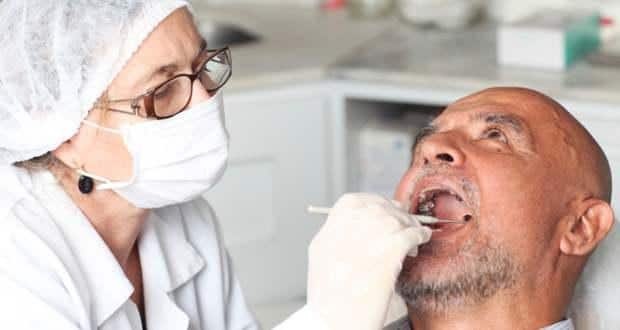
When you are at the dental clinic in Rani Bagh, the dentist will examine you, ask you questions about the pain and may take an x-ray for more information. From then on and depending on the cause of your toothache or teeth, you will decide and perform the appropriate treatment that can be, among others: cover decay, remove the tooth or tooth, make root canal treatment (endodontics), prescribe antibiotics, etc.

Have you never had a toothache and don't want to have one? It is easy. Take action to prevent it! Oral hygiene is the key to keeping bacteria that cause such complications in your mouth at bay.

Brush your teeth at least twice a day, floss or floss and visit your dentist in Pitampura regularly. So most likely, you will not know what a toothache or teeth is, and I promise you that you will not be missing anything.

Monday, 18 November 2019

Dental Filling: Caries Removal Treatment

Dental-Filling

Cavities are one of the most common oral diseases in our society, not only nationally but worldwide. When we fail to detect caries in time, it is necessary to perform a specific treatment to be able to eliminate it.

Today at Dental Clinic in Rani Bagh we tell you everything you need to know about dental fillings.

What is a dental filling?

Before dentist in Delhi begin to explain what a filling is, we must first specify what a caries is. Recall that, when we talk about tooth decay, we mean the destruction of the tissues of the tooth that is caused by two specific causes.

First, by eating food or drinks that contain acids and sugars. On the other hand, it can be the result of poor oral hygiene such as insufficient brushing or errors in the technique of brushing.

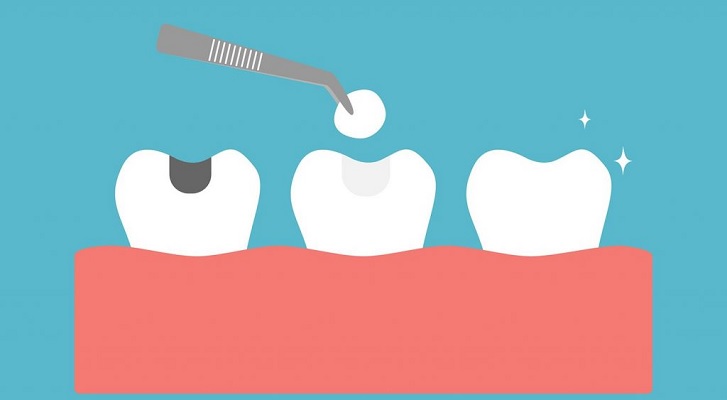
The dental fillings, also known as shutter, is a treatment used to repair any damaged tooth. The decay of a certain tooth is eliminated to prevent the disease from progressing and thus not affecting the nerve of the tooth, since if it reaches this point a root canal would have to be performed, says the best dentist in Delhi.

How is a filling made?

Dental filling treatments are simple and fast, as they take about 40 or 50 minutes. As a general rule, the procedure is as follows:
  • Anesthesia: the dentist applies local anesthesia in the cases that are required. Anesthesia is usually used when caries is in an advanced state and affects dentin, where the nerve endings are found.
  • Caries cleaning: the dentist in Pitampura removes the carious tissue, leaving a cavity that has to be filled later.
  • Filling the cavity: composite is used to fill the gap after cleaning the caries.
  • Polishing and adjustment: when the composite has hardened, it is polished and a bite test is performed. This ensures that the result is adequate.
How many types of fillings exist?

We can differentiate between two types of dental fillings according to the filling material used.

Metal

Metal dental fillings are made up of silver amalgam. Its main advantage is that they are very durable since it is estimated that their duration is about 30 years. Although this material is not very aesthetic because it stands out much about the natural white of the tooth.

Nowadays, these types of fillings are not usually used since consumers prefer resin or composite because they have a more natural color.

A few years ago gold fillings were also used, and although they are durable and resistant, they are very expensive and not aesthetic.

Resin and composite

This material is the most used, because they are much more aesthetic than any other. The composite has a color similar to the white of the tooth, although it has a much shorter duration.

It is necessary that patients who have dental fillings have good oral hygiene and go to the dental clinic at least once a year. Thus the dentist can check the filling and replace it when necessary or deteriorates.

It is important that the composite is of high quality and the professional has a wide variety of shades so that it fits as closely as possible to the natural tone of your teeth. This ensures greater durability, avoids the fall of fillings and achieves an aesthetic result.

Is the procedure painful?

According to the dentist in Rani Bagh, it is necessary to apply local anesthesia depending on the depth of the tooth decay to be treated and affects the dentin. This prevents the patient from feeling pain during the procedure.

If tooth decay does not affect dentin, it is not necessary to apply anesthesia. Although the patient may feel slight discomfort during the process.

It is important to know that after the dental filling, the patient can feel sensitivity when eating very hot or cold foods or when brushing their teeth. This sensation can continue for three or four days.

In case the sensitivity persists for more than a week, it will be necessary to return to the dental clinic in Saraswati Vihar. So the dentist in Saraswati Vihar can examine the filling and determine the problem.

You can eat after fillings

The enamel treatment is a simple intervention, so the care we should consider is minimal, so the patient can return to their usual routine after leaving the dental clinic in Pitampura.

When the filling is done without local anesthesia, the patient can eat and drink normally.

If the procedure is done under local anesthesia, it will take a couple of hours for the patient to recover the sensitivity in the area that has been treated. For this reason it is not advisable to drink or eat right after the intervention because with the numbness caused by anesthesia it is possible that you drop your food or drink.

When the effect of anesthesia is passed, the patient can return to eat and drink normally.

How long does a filling last?

As a general rule, the composite filling, the most used material, usually lasts approximately 10 years. Although we must bear in mind that fillings discolor over time and the color becomes more yellowish. In addition, they are subjected to extraordinary pressure due to chewing.

Some fillings wear out over time and need replacement over the years.

As we have mentioned, composite fillings have an average of 10 years. It is important to attend annual check-ups so that the dentist can examine each of the fillings.

If you find any scream in your filling, it is broken or in poor condition, make an appointment with your dentist in Pitampura.

Dental sensitivity after filling

It is possible that after performing the dental filling treatment the patient may become sensitive when eating very hot or cold food or brushing their teeth.

This sensation can last for 3 or 4 days. Although if the sensitivity persists for more than a week it will be necessary to visit the dentist who has performed the treatment. This will examine the shutter to determine if there is any type of problem.

According to the best dentist in Pitampura, fillings are one of the most performed interventions. When this treatment is performed, materials are placed on the dentine, depending on the type of filling. Dentin is the inner layer of the tooth and is one of the most sensitive parts because it has direct contact with the dental nerve, and can produce sensitivity.

Wednesday, 4 September 2019

Transparent Orthodontics: Straight Teeth Without Discomfort

Transparent Orthodontics

Having a perfect smile represents the dream of many people: in fact possessing a flawless dentition in a completely innate way is now an almost extraordinary event and most patients turn to their dentist to get an effective remedy that helps them straighten their own teeth and to smile again without embarrassment, says the best dentist in Delhi.

The smile is the frame of our face and having beautiful teeth is a source of self-esteem and self-confidence that you should never give up.

What is orthodontics:

Orthodontics is the specialized branch of dentistry that deals with postural correction of teeth, both through surgical therapy, which consists in eliminating, in cases where it is necessary, those dental elements that interrupt the natural shape of the arch, and through mechanical therapy, used more frequently, which consists in the use of dental appliances or tools applied at dental clinic in saraswati vihar that use traction forces to return the teeth to a correct alignment.

However, especially adult patients, they are hesitant in proceeding with treatment or, in most cases, they show a renouncing attitude towards it, because they are held back by the aesthetics of dental appliances: the idea of bringing the typical teenage stars on their teeth in fact, it is not particularly tempting, as it could probably cause even more embarrassment than an irregular dentition.

For this reason, orthodontic techniques have embarked on a long journey aimed at specializing in this sense and aiming at perfecting not only the clinical confirmation of the most advanced devices, but also their aesthetic impact on the customer, says Orthodontist in Pitampura.

Orthodontics, password: invisibility

To try to make dental appliances wearable by patients of any age and therefore less invasive from an aesthetic point of view, over the years we have tried to design instruments that were less and less obvious, to the point of seeing them disappear almost completely, explains the dentist in Rani Bagh.

One of the first aesthetic improvements concerned fixed appliances which, instead of metal brackets of the typical silver color, possessed ceramic brakets, of an almost evanescent white color: this significantly reduced the visual impact of the appliance, as its color was to merge with that of dental enamel. Nevertheless, this solution allowed the device to still be clearly visible.

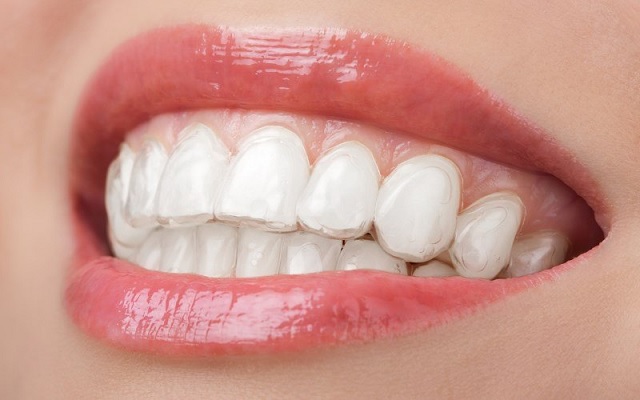
For this reason, even more advanced techniques have recently been developed, which involve the use of completely transparent and invisible mobile masks, if not at very close distance or following voluntary removal. These devices are effective in 90% of clinical cases, being absolutely able to eliminate any difference in level or overlap: dentist in Delhi suggests, each patient must change the face mask with a frequency of about fifteen days, so as to be able to progressively adapt it to the improvements obtained and its use overall has a duration that varies from 9 to 18 months.

These masks, called "aligners" in technical jargon, can be easily removed from the patient before the meal or when they have to take care of their dental hygiene: precisely because it is not a fixed appliance, this type of instrument is undoubtedly more suitable for adult patients, precisely because they are more motivated to improve their appearance than adolescents.

However, the technique that undoubtedly holds the record in invisibility concerns the use of the fixed sublingual apparatus. This highly innovative technique makes the use of a completely transparent device accessible to a younger audience: in fact, this instrument has the same operating principle as the classic star device, which consists of the application of brackets and attachments on the vestibular side of the tooth at dental clinic in Rani Bagh, but with the difference that, in this case, it will simply be applied a wire of very small thickness and free of attacks on the lingual side of the arch. In this way it will not be possible in any way to perceive the presence of the apparatus from the outside, although it will achieve the same amazing results.

Tuesday, 20 August 2019

DO BRACES HURT?

Braces

One of the myths of orthodontic treatment is related to the eternal question: Do braces hurt?. A few years ago the brackets were not as we know them now... they were large and surrounded the entire tooth with a kind of metal band; Similarly, the other accessories such as orthodontic arches (arch that joins all brackets), were mostly rigid and required great orthodontist skill, for placement in the mouth.

Under these conditions, each consultation or visit to the best dentist in Delhi was a more than painful experience. Today we have brackets with rounded designs (very small) and orthodontic arches that are activated with the temperature of the mouth, etc., which allow movements with super light (biological) forces and that ALMOST DO NOT cause pain.

Do brackets really hurt?

After the Orthodontist in Pitampura has performed the necessary studies and has established his diagnosis and treatment plan, he will proceed to the placement of the brackets. In this first stage some complications may occur:
  • The first days with braces you will feel some discomfort, because they will rub against the internal tissues of the mouth (cheeks). This condition is not exclusive to metal brackets, but can also occur with ceramic brackets, transparent brackets and even with internal brackets (it can create ulcers on the tongue).
  • It is likely to appear in some people "wounded" or ulcers, due to the rubbing of the brackets. The solution will be the use of orthodontic wax or also known as “brace wax” (a little wax is placed in the bracket that causes discomfort). These discomforts can last a week.
  • Controls or adjustments are usually made once a month. In the control the arches of orthodontics are exchanged for others of greater caliber and strength, so you can feel some pressure on the teeth and perhaps a slight pain, which will pass in a few hours (even a couple of days).
  • It is not necessary to take any pain reliever. If there is more intense pain, tell your orthodontist immediately. Currently dentist in Rani Bagh uses super-elastic arcs and thermo-activated arcs that greatly reduce these discomforts, by exerting very light but extremely effective forces.
Is there any other complication of the braces that causes pain?

During the treatment it is possible that some accessory of the orthodontic appliances is detached, such as the tubes (they are like the brackets, but they go to the ends in the molars) and the orthodontic arch  can be exposed at the ends.

This situation will cause the arc "tip" to damage the internal tissues. If this complication occurs, request an immediate appointment at the dental clinic in Rani Bagh for evaluation by the responsible dentist in Delhi.

How to avoid pain after adjustment?

Mild to moderate pain occurs almost immediately after the monthly check or adjustment and this happens because replacing the wires or placing others of greater caliber creates a higher pressure.

Solution: Before leaving the dental clinic in Saraswati Vihar, you can stay for a while in the reception room and if in those minutes the pain is intolerable, you can ask the orthodontist in Pitampura to lower the adjustment force a bit.

Recommendations: The orthodontic treatment need not cause pain and while there are certain complications, these are temporary and easily resolved. The new bracket designs, the best properties of the orthodontic arches and the reduced use of additional appliances, make the treatment more comfortable and make your experience with the brackets rewarded with functional teeth in their correct position and an attractive smile.

Thursday, 25 July 2019

Crooked Teeth

crooked-teeth

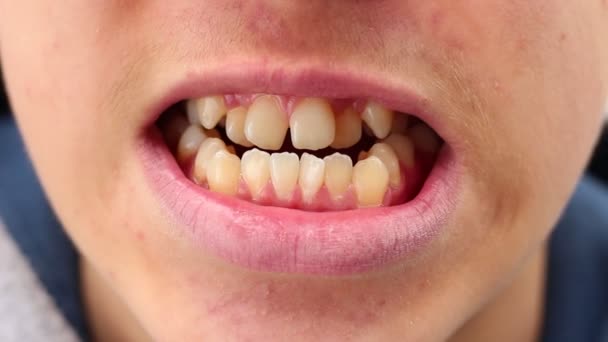
The crooked teeth or malocclusion, is a dental disorder that affects approximately 65% ​​of the population. Perhaps the greatest concern is that not so aesthetic aspect of our smile, but as we will see in this article this problem has many physical and social repercussions, as well as solutions that are within our reach with an orthodontic treatment that does not have to be so expensive.

What is a malocclusion?
The malocclusion is an alteration of the dental alignment caused by various factors. When there is a good occlusion the teeth are straight, fit or there is a correct gear and relationship with the opposing teeth, as well as a correct relationship of the jaws. The structures surrounding the teeth are in harmony and fulfill their function: Biting, chewing, talking, good looks, etc. The main factors of malocclusion are hereditary, by habits etc, explains dentist in saraswati vihar.

Why do crooked teeth come out?
The malocclusions are due to several factors, many of which are still under investigation, but there is a large genetic component, that is, if their parents have crooked teeth, it is likely that the children also present this problem; Similarly, habits such as mouth breathing or digital suction are also influential. One of the biggest causes is tooth decay, since premature tooth loss causes a great alteration in the development of occlusion. We recommend the visit to the orthodontist in Pitampura from 4 years, age where you can identify some factors that cause these problems.

How are they treated?
Modern dentistry today offers many alternatives to solve these problems of dental malposition. Evaluation is essential at dental clinic in Saraswati Vihar to determine what type of procedure is best for us. The first and best alternative is always orthodontics, it is also possible to solve these problems using dental veneers.

What is orthodontics?
Orthodontics is an important specialty of dentistry that is responsible for studying the correction of teeth and their bad occlusion. Orthodontic treatments have the advantage of accommodating and aligning your teeth, giving you at the end of the treatment, a beautiful smile. The time of orthodontic treatment will depend on the case presented by each patient. The average time fluctuates between 12 to 18 months and in cases with dental extractions it can take 24 to 30 months. There are some cases of malocclusion (excessive protrusion of the maxilla and jaw) that will not only require orthodontic treatment but will also require surgical treatment, since the problem is not only dental but also basal or bone structures, explains dentist in Rani Bagh.

What type of attachments is used?
For orthodontic treatment we use:
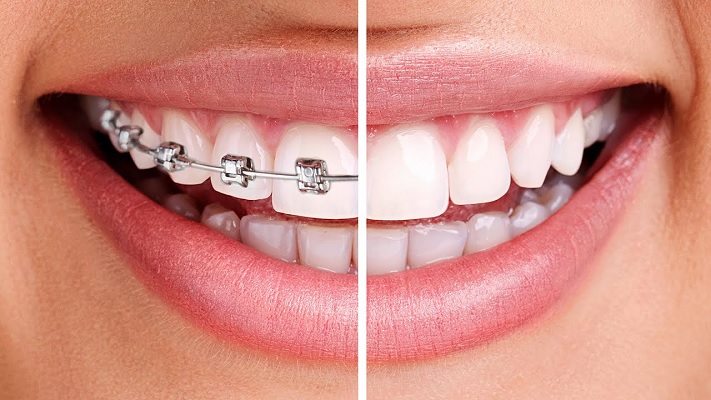
  • Metal brackets.- These types of brackets are the most economical and the most used. These metal brackets are not very aesthetic, but they are very effective. The cost of this type of device is many times up to 3 times less than other more imperceptible systems.
  • Aesthetic brackets.- They are used for any type of age, but most adults use it since they are not visible to the naked eye. They have the same function as metal brackets, but unlike these, these brackets give security to the person and do not feel so ashamed to use brackets.
  • Lingual braces.- This type of invisible orthodontics is preferred by adults, since they are not noticed and the treatment is very discreet. The treatment time and results are the same as other orthodontic systems.
  • Invisalign or Clear aligner.- These are sequential splints that are used to move teeth like braces. They have some limitations and are higher in cost than conventional brace treatment.

How is orthodontic treatment?
Resolving a  malocclusion or correcting crooked teeth is easy if we have the will to do so.
  • The first thing one should do is ask a friend or family member for a reference about a good dentist in Delhi.
  • If we do not find this type of reference we can inquire on the web and request an evaluation consultation that in most cases are free of charge or with reasonable consultation prices.
  • In the first appointment with best dentist in Delhi it will be evaluated in a simple way and you will be given prior information about your particular case. In the same way you will be asked for some auxiliary exams such as x-rays, mouth molds and maybe a CT scan.
  • Once the diagnosis is made, the device is installed (brackets and accessories). For more information you can follow this link: orthodontic treatment steps.

Are extractions necessary?
Dental extractions are not indicated in all cases and the decision depends on the evaluation and the thorough analysis of the auxiliary examinations (photographs, radiographs, mouth molds, etc.) at dental clinic in Rani Bagh. Basically, extractions are performed in cases of malocclusion when the teeth are too crowded (crooked teeth) or there is marked protrusion (what we commonly call "trompudo"). The dental pieces that are extracted are the first or second premolars.
Extractions of wisdom teeth will be indicated by the Orthodontist according to their clinical criteria. In many cases these pieces are removed by an oral surgeon in Pitampura, especially the lower third molars, to guarantee the stability of the treatment and avoid other complications.

Consequences of malocclusion:
  • It makes dental hygiene difficult and causes tooth decay.
  • It can severely alter phonetics or speech.
  • It does not allow a good chewing of food, causing gastric disorders.
  • The malocclusion untreated periodontal disease more can cause tooth loss.
  • It causes social problems, many people are shy or introverted for this reason.
  • It causes joint problems (tic joint).

Tuesday, 11 June 2019

Oral Care of the Elderly

elderly
The mouth and teeth are very important at all ages, not only for an aesthetic issue, but also to maintain good nutrition and avoid complications. Therefore, in the third age, oral care should be as important as other aspects of health. Here is the data you should know to take care of the health of your mouth or that of the beloved one you are attending at this stage of your life, says dentist in Delhi.

There is a saying that is very true: “the years do not come alone”. And certainly, who does not want to stop the passage of time? As we age, the body begins to deteriorate, and discomfort is felt. Some have vision problems, others in the ears, in physical resistance or in the health of the heart, among others.

Unfortunately, there is no way to stop this progress, but we can take care of our body to keep it better prepared to receive the effects of the passage of time. There are many things you can do but naming them all in a single article would be impossible. Therefore, here we will dedicate ourselves to something that often remains forgotten: the mouth and the teeth, which not only allow us to feed well but also to communicate and make us understand.

According to dentist in Rani Bagh, aging can produce changes in the structure and functioning of the mouth, leading to tooth loss or deterioration of teeth, accompanied by dry mouth, loss of taste and other disorders.

Among the most common diseases of the mouth are cavities (an infectious disease that causes the loss of tooth structure) and periodontal disease (which affects supporting tissues and tooth protection, including gums). These conditions are responsible, in most cases, for the loss of teeth in older adults, says the best dentist in Delhi.

In addition, adults often have other chronic diseases that can affect the mouth, such as diabetes, high blood pressure or hypertension, osteoporosis, liver changes, kidney failure, visual, motor and / or mental disorders they cause some degree of immunosuppression (that is, they eliminate or diminish the functions of the immune system, that is, the body’s defense system).

To this is added that, many times, the medicines that the elderly must take to control these or other diseases can also affect the long-term health of the mouth. Some cause a decrease in salivary flow (the amount of saliva) or xerostomia, for example, as certain analgesics (medicines for pain), antidepressants, antihistamines, antipsychotics, antihypertensives, anticholinergics and derivatives of opioid alkaloids.

There are many things that you must keep in mind, right? It is important that you know them so you can talk to your doctor and your dentist in Saraswati Vihar.

In addition, there are several cares that older adults (or their caregivers) may have to prevent the development of diseases in the mouth or to keep them under control. They include the following:
  • Brush your teeth five times a day (upon waking, after breakfast, lunch, dinner and before bedtime).
  • Use wide-bristle toothbrushes and soft bristles and fluoride toothpaste.
  • Use mouth rinses with fluoride, as directed by your dentist.
  • Consult your dentist in Pitampura at least once a year and ask him if you need any special care, such as using dental floss or interdental brushes.
  • If you have motor or cognitive difficulties, it may be more convenient to use rinses or toothpastes with chlorhexidine, always under the supervision of your dentist in Delhi.
  • If you suffer from dry mouth (xerostomia), you may need to use products that stimulate salivary secretion, such as sugarless gum and citrus products. Your dentist could also recommend some medicine, always considering the possible side effects.
  • If you use dentures, it is preferable that you visit the dental clinic in Rani Bagh more frequently, at least two or three times a year.
  • If the prosthesis is removable, it is convenient that you take it to your oral surgeon in Pitampura to do a cleaning with ultrasound and polishing of the surface every six months and that you keep them daily according to the indications that he or she has given you.
  • If you have lost all your teeth, you should gently clean the gum, at least after each meal, with a soft brush or gauze soaked in an antiseptic substance called chlorhexidine.
Finally, keep in mind that older adults can also suffer from aphthae or other discomfort in the mouth. Therefore, in addition to the recommended periodic controls, it is important that you consult your dentist in Rani Bagh if you have pain, if you see spots or a strange lump, if the aphthae are recurrent, if you think you have cavities or have problems to bite, as well as if You have any doubt.

Many times, dental treatments can be very expensive. If you exceed your chances, do not be embarrassed and talk to your dentist at dental clinic in Saraswati Vihar to see if it is possible to offer you a more accessible treatment. Or maybe I can refer you to another place where they can do it.

There is always something that can be done to take care of the health of your mouth. It is better to prevent than to remedy. Learn to take care of your oral health, so not only avoid unnecessary inconvenience but you can also continue to enjoy your favourite foods and wearing a beautiful smile, at any age.

Friday, 31 May 2019

Dental Cleaning in Delhi: What is it, what can I get?

dental_cleaning
We continue our blog with another of the most common concerns among our patients, oral hygiene and dental cleaning. Many times our pace of life prevents the proper care of our mouth, therefore, we resort to the professional cleaning of dentist in Delhi. But do you know what is a dental cleaning and everything you can get with it? We tell you

What is dental cleaning and why do I need it?

In the first place, it is necessary to understand what dental cleaning is, it is a procedure aimed at improving the condition of the mouth and above all it is used to prevent multiple oral diseases . Such as gingivitis, halitosis, cavities, tartar, spots, etc ... but also can help us improve the appearance of the teeth.

As dentist in Rani Bagh says, when dental hygiene is not correct or is insufficient, tartar and spots appear. These, in addition to causing an unsightly effect on our smile, can lead to more serious illnesses and problems that require more serious procedures to restore health to our teeth.

Therefore, if you want to recover the hygiene in your mouth and boast of healthy teeth, you need a dental cleaning.

How is this dental treatment done?

Cleaning is a painless procedure that can only cause small discomfort in specific places and areas of your teeth.

It must be borne in mind that quality dental cleaning has several phases, all of great importance.

Preliminary analysis

Your dental hygiene treatment begins in our practice at the hands of our best dentist in Delhi where they will study your case and detect the different problems. For example, areas with tartar, possible decay, inflamed gums, spots, etc.

In this way, your dentist in Saraswati Vihar will be able to advise you on the points that should be affected, and the sessions that you will need.

In addition, this way you can give advice to take better care of your daily dental hygiene, proposing techniques and products appropriate to the state of your mouth.

Elimination of bacterial plaque

Now, the procedure will begin so that an anesthetizing cream will be applied to the teeth - depending on the case - to avoid pain in more sensitive areas.

Then the dentist in Pitampura by means of an ultrasound tip, ends with the superficial tartar, also removing the bacterial layer causing different oral diseases.

In addition, it is possible to attenuate the most superficial spots that are caused by different drinks and foods and that are complicated to avoid with the daily dental hygiene.

Subgingival cleaning

Many times, patients believe that tooth cleaning is a merely superficial procedure and that it is only done in the most visible part of our teeth. But in reality, dirt and bacteria are also found under the gums and can be dangerous if left untreated.

Therefore, during the buccal cleaning process, the oral surgeon in Pitampura will also perform subgingival work, that is, under the gum line, to achieve excellent results and a totally healthy mouth.

Polishing: teeth like new.

To finish with the procedure, a polishing is carried out that helps to completely smooth the surface of the teeth and to finish in the most efficient way with the dirt in the whole surface of the pieces.

With this polishing also, products that care for and reinforce the enamel and the structure of the teeth are used, in addition to giving a more uniform color to eliminate unsightly stains.

As we said, each of the stages of a dental cleaning are vital to achieve complete hygiene and leave the dental clinic in Rani Bagh with a healthy and clean smile.

When a mouth cleaning is necessary, how many sessions do I need for total hygiene?

There are no established norms nor a strict calendar for this treatment, but it will depend on the situation of each patient.

Those people who are more prone to suffer from oral diseases, it is of great importance that they take care of their daily hygiene, and that they support it with periodic dental cleaning sessions, every 3 months or even monthly in the most problematic cases.

However, there are those who are able to maintain good dental health and need little this type of treatment, therefore, as the best dentist in Delhi, it is recommended that at least one dental cleaning be performed every six months.

This is important because sometimes, it seems that the state of the mouth is perfect, but at home, we do not always see all the areas that may be affected. For these reasons, we recommend that you go to our dental clinic in Saraswati Vihar and ask for an appointment so that our dentist in Saraswati Vihar can assist you and advise you in a personalized way.

Precautions and recommendations after cleaning.

Being a minimally invasive treatment, we will not find complications or follow specific treatments or care, but we must follow some advice so that the results are long lasting and we can maintain a clean and healthy mouth:
  • Avoid foods and foods that stain: coffee, dyes, tea, wines ...
  • Total daily and constant cleaning : Follow the recommendations of your dentist in Delhi and use the specific products that you have prescribed. Brushing after each meal, at least three times a day, affects the most inaccessible areas and internal faces that tend to forget.
  • Supplement your hygiene : It also uses a proper and specific mouthwash to complete daily oral hygiene.
How much can a mouth cleaning treatment cost?

The entire procedure can be modified according to the patient, the conditions in which his oral hygiene is found and the results that are expected to be achieved.

Therefore, many times the cost may vary . Therefore, you should consult with our dentist in Rani Bagh who will advise you in a personalized way and advise you on the type of oral cleaning most suitable for you.

Thursday, 23 May 2019

Teeth Whitening: Get Your Natural Smile Back

teeth_whitening
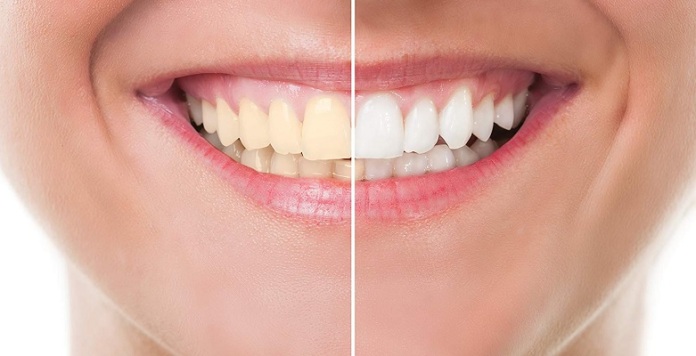
Teeth whitening is an aesthetic treatment that reduces the original color of the teeth by several shades.
It is a fairly simple process that is performed on the outer layer of the teeth, leaving them whiter and brighter almost immediately.
Before the bleaching treatment
If you are thinking about whitening your teeth make sure they are healthy. Perform a check with your dentist in Pitampura to make sure you do not have caries or other periodontal diseases, in addition to a dental cleaning to remove tartar.
Always by the hand of a professional dentist
Our recommendation is that you go to a professional dentist in Delhi to perform your whitening treatment. Qualified dentists have the safest technology for your teeth. They will assess what is the best treatment for your case.
Do not trust the home remedies you can find on the internet or recommended by your acquaintances. Any application that is not prescribed by a dentist in Rani Bagh can affect the structure of your teeth giving rise to more serious future problems.
Teeth whitening treatments
There are two types of treatments for teeth whitening in Pitampura: external treatment and internal treatment.
  • The external treatment   is the most common and the one that is performed on vital teeth. It consists of the application of substances on the external part of the tooth. Its effectiveness is directly related to the time of use and the decrease in consumption of those foods or beverages that generate colorations or dental stains. It allows to eliminate most of the stains produced by substances such as tea, coffee, infusions, red wine, etc. And of course, the tobacco, of which we have already spoken to you on occasion.
  • However, not all dental blemishes or blemishes are improvable or possible to eliminate through tooth whitening and may require another type of aesthetic dental treatment such as the use of porcelain veneers or covers. The internal treatment   is one that is performed on non-vital teeth, that is, those that already have an endodontics performed, applying the product inside the tooth and being able to complement this treatment with external whitening.
Teeth whitening techniques
There are different techniques to whiten the teeth, although basically they consist in the application of the whitening gel on the arches of the teeth by means of splints. It is usually a process that requires a daily frequency for a few weeks.
These treatments can be done in dental clinic in Rani Bagh, or at home (always under the supervision of a professional). The main difference is that in the clinic the peroxide concentrates, which is the material that produces the bleaching, are bigger and therefore faster when it comes to seeing results, than teeth whitening at home.
Currently there are other treatments that accelerate the process by applying an intense light, or cold LED type light. It is tooth whitening by photoactivation.  The results are much more homogeneous and simultaneous in all teeth, besides being faster than with commercial kits that you can apply at home. This option is only available in dental clinic in Saraswati Vihar, since it requires preventive measures due to the technology used and to avoid damaging the tissues of the mouth.
Recommendations after whitening your teeth
Once you have undergone a whitening it is recommended:
  • Avoid colouring drinks, for example coffee or tea, as well as tobacco. These contain substances that can cause the tooth enamel to stain again. That is why it is obviously best to avoid them.
  • Usually your dentist in Saraswati Vihar will prescribe a maintenance treatment. That consists in that during a time at home you apply with a splint the bleaching gel.
  • Although it is not a painful treatment, it is possible that during the whitening there is a certain transient hypersensitivity that disappears without a trace after a short time of completion. The use of gels containing fluorine and potassium nitrate in their formulation is usually recommended by the best dentist in Delhi.

Friday, 17 May 2019

At the end of the orthodontics will my teeth always be kept in place?

retainers

At the end of the orthodontic treatment at dental Clinic in Rani Bagh, some retaining devices are placed. The retainers are the devices that are used in the retention phase (post-orthodontic treatment phase).

The purpose of these devices is to give stability to the results obtained in the active phase of orthodontic treatment. The teeth and tissues have not yet been fully adjusted to their new position and these devices are necessary to keep the teeth in their new position, allowing the supporting tissues to settle.

So important is this phase that we consider that, if the patient is not going to collaborate in carrying these devices, as well as in their maintenance, dentist in Rani Bagh recommends that no orthodontic treatment be performed, since the risk of the teeth may suffer unwanted movements (recurrences or movements derived from the pressure of the wisdom teeth) is very high. Therefore, it is essential that the retention phase be considered a continuation of the orthodontic treatment.

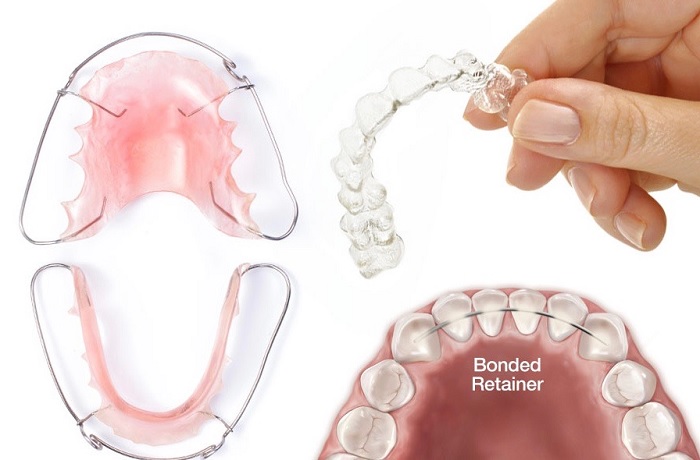
Normally in the upper arch it is an invisible sheath and in the lower part a fixed metallic retainer behind the incisors is barely visible. Its function is fundamentally the control of the movement of the teeth, to avoid that they can move and spoil the obtained result. It is important to place it all the time that the orthodontist in Pitampura has advised you. The mouth ages as the skin or eyes, producing small changes that are often imperceptible.

FIXED RETAINERS

The fixed retainers consist of a metal lingual arch that is cemented on the inside of the teeth, usually from canine to canine. This type is the most used by orthodontists, since it does not require proof by the patient for its placement. It is placed in a single session and can last in good condition for years without needing to be renewed. The thickness of the arch exerts enough force to stop the movement of the teeth and prevent them from moving again.

It is logical to think that the fixed retainer is more comfortable than the removable because it does not require the patient's collaboration or its consistency to wear them, however, not always this can be cemented on the lingual side of the maxillary teeth. Why not? Very easy. In many occasions there is no protrusion (space between the upper and lower teeth) to stick it. In addition, the simple tapping of the lower incisors on the upper retainer causes it to detach constantly. This is the reason why dentist in Saraswati Vihar recommends that the retention of the upper teeth be removable except on specific occasions.

REMOVABLE RETAINERS

Within the removable retainers, we can find several types.
  • Retention splint It is sometimes confused with the discharge splints used to treat bruxism. These are transparent splints that cover all the teeth and are placed at night. This is the retainer that we usually perform in dental clinic in Saraswati Vihar for maxillary teeth.
  • Hawley Retainer. It consists of a retainer formed by an outer arch and hooks that are placed in the molars. The main difference with the retention splints is that it covers part of the palate with an acrylic material.
There are special situations when the patient has periodontal disease (gingivitis or periodontitis) if the patient has a lot of dental mobility, once the treatment is finished, an intracoronary retention is performed.

POST-RETENTION PROTOCOL

There are several retention protocols, each one with its more or less solid criteria. Our experience tells us that:
  • We must be absolutely clear when it comes to informing our patients of the importance of retention, as well as the undesirable effects of not taking it or of not continuing to crack its prescription. It is essential to give the recommendations in writing.
  • More than 50% of our patientsbegin to neglect the use of their retainers (in our case the superior) one month after the withdrawal of the fixed appliances.
  • We must insist that the retention is for life and is your RESPONSIBILITY.
The protocol that we follow regarding retention is the following:
  • For the upper arch:2 months full-time after the removal of the fixed appliance. It is only removed to eat and drink. After this time, nightly use for life is recommended by dentist in Pitampura. If you do not wear it any night, you must recover 8 hours during the day.
  • For the lower arch: wecement a fixed steel retainer for life.
 POST-RETENTION REVISIONS

One year after the withdrawal of the fixed appliances (this revision is mandatory), to evaluate the settlement and the status of the retainers. In this event we insist on the importance of their collaboration. During post-retention visits, we monitor the patient's hygiene, especially in the area where the inferior lingual retainer is cemented. If necessary, we refer the best dentist in Delhi for a prophylaxis of that area. It is of vital importance to mention wisdom teeth in this section , as they are responsible in a high percentage of cases of unwanted movements of the incisors after orthodontic treatment.