Showing posts with label dental veneers in Delhi. Show all posts

Wednesday, 4 March 2020

DENTAL STAINS: ORIGIN AND PREVENTION

Dental-Stain

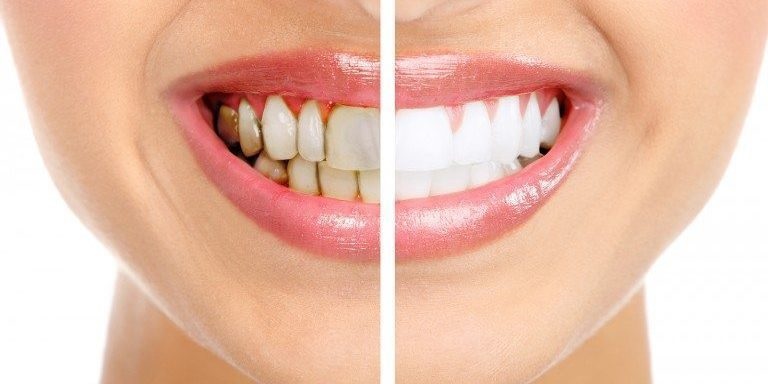
Surely you have always wanted to wear a bright white smile, but you have annoying dental stains that prevent it.

Our teeth may have different shades depending on factors such as natural wear, food or beverage dyes or improper oral hygiene.

Would you like to have them whiter? The best dentist in Delhi gives you some recommendations for you to get it. Do not miss it!

What types of dental stains exist?

There are several types of dental stains, and some are easier to remove than others. According to their typology, they can be:
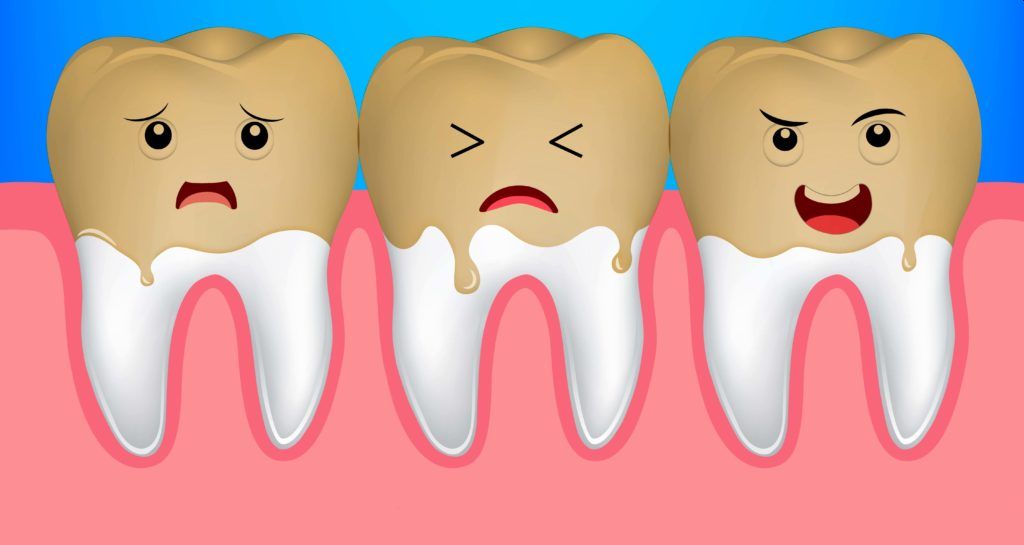
  • Superficial stains: those that are found in the spaces between the teeth or on the surface of cracked pieces. They usually have a brown colour and are usually produced by the intake of food and colour drinks (coffee, tea, soft drinks...). They also appear for tobacco use. They can be removed with teeth whitening in Pitampura.
  • Intrinsic stains: they are in the dental structure itself and are usually gray. They have different causes: genetics, diseases, medications, etc... and are difficult to remove.
  • Soft deposits: they are normally white and settle on the outside of the enamel. The main cause is the accumulation of bacterial plaque in the mouth.

According to their colour, they are classified into:
  • Brown spots: they are the most common, and are produced by the consumption of tobacco, alcohol, coffee or tea. All these products alter the balance of the bacterial flora and favour the formation of plaque. They are usually the easiest to eliminate.
  • White spots: they can be caused by several causes, from poor nutrition, even as a result of tooth decay or excess fluoride during childhood. They are usually complex to remove.
  • Yellow spots: they are mostly linked to the consumption of acidic foods or some medications (tetracyclines).

How can I avoid the appearance of stains on the teeth?

We can take some preventive measures to avoid, as much as possible, that spots appear on our teeth:
  • Always brush your teeth after eating and drinking (especially if it's coffee or tea). If you can use an electric brush, floss and mouthwash, the better.
  • If you can't brush your teeth, rinse your mouth as soon as you finish eating or drinking.
  • Use toothpaste with a little teeth whitener.
  • Use a drinking straw to avoid contact of the liquid with the teeth.
  • Visit your dentist in Delhi regularly (every 6 months) to perform a dental prophylaxis.
  • Avoid the consumption of tobacco, coffee, tea, wine, soft drinks and food with too much colour.

I have stains on my teeth; How can I remove them?

As we have seen before, dental stains have different origins and causes and, depending on what type your dentist in Rani Bagh can propose the right treatment for you.

We recommend that you make an appointment at the dental clinic in Rani Bagh so that we can assess your specific case.

In general, some of the treatments that are usually carried out to remove dental stains are:

Dental prophylaxis

It is the easiest and fastest treatment, with which you can get rid of the easiest stains to remove such as those caused by tobacco or coffee. This is a dental cleaning, about 50 minutes long, which also includes cleaning with a special paste and a bicarbonate air-polisher.

Teeth whitening

Thanks to a teeth whitening treatment in Delhi, you can remove the most complex stains and wear an even more radiant smile. We recommend a combination of treatment at home and in the clinic (with cold light lamp)

Veneers

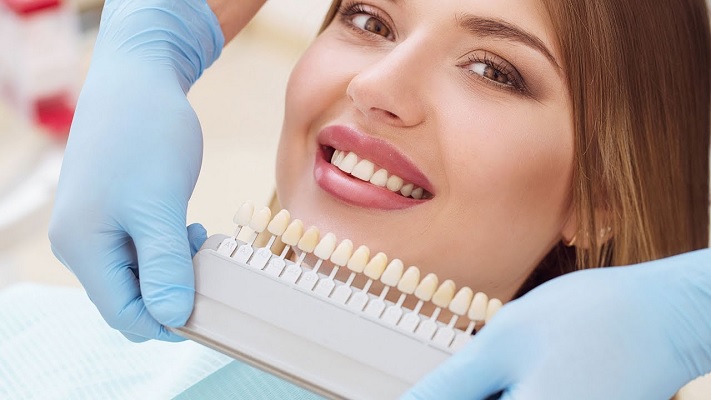
Depending on the type of stains, these may not disappear with the treatments discussed above, and the only solution may be the use of dental veneers in Delhi. They can be porcelain or composite, and give very good results.

Monday, 10 February 2020

What are dental veneers? What are they for? What are the advantages and disadvantages?

Dental-Veneers-in-Delhi

Dental veneers are one of the most recurrent dental beauty treatments. That's why, in today's post, the best dentist in Delhi is going to tell you what they are, what they're for, how they're placed, and what their pros and cons are.

What are dental veneers?

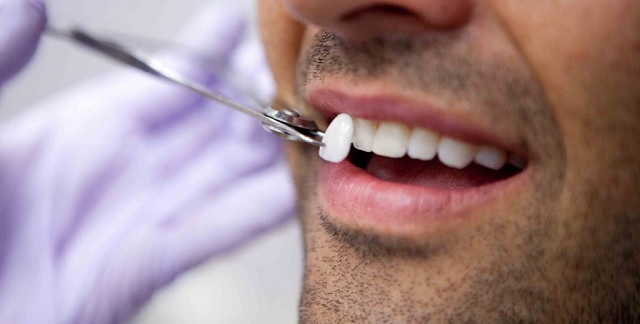
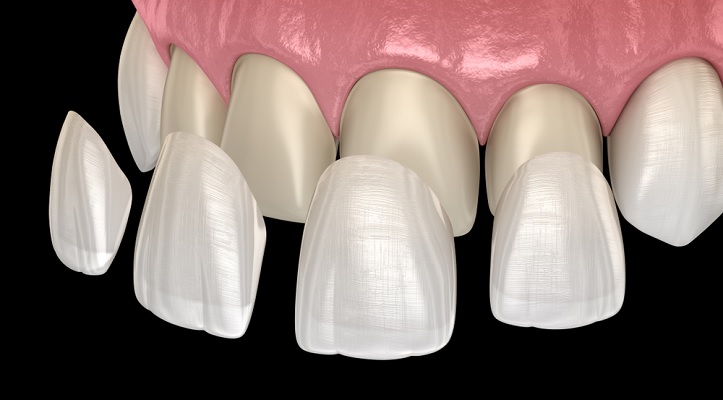
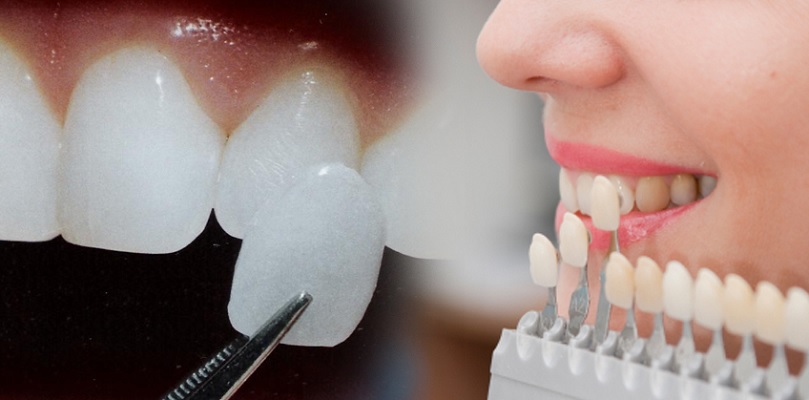
The dental veneer is a small, thin sheet of porcelain usually, although it can also be of other materials such as composite, which adheres to the front of the tooth to mask or cover problems.

Dental veneers, also known as dental facets or aesthetic veneers, are aesthetic reconstructions of porcelain (or composite) aimed at improving the external image of the denture, since they allow to visually modify the shape, brightness, color and mask various oral pathologies, explains the dentist in Delhi.

There are several types of dental veneers in Delhi, but the most well-known or used are:
  • Composite dental veneers: This is a non-invasive treatment, as these are made directly on our teeth, applying the material on the visible part and shaping it until the desired appearance is achieved. That is, layers of composite are added to the surface of the tooth. In addition, for placement it is not necessary to carve the tooth, making it possible for them to be placed without the need for anesthesia.
  • Porcelain dental veneers: This is a thin sheet of porcelain that is placed on the visible part of the tooth. Its functionality is to modify the appearance of the tooth in color, shape and brightness. In addition, they are resistant and allow to eat normally.

What are dental veneers for?

Dental veneers are an ideal choice in situations where the original teeth have a dark color and irregular shapes.

They are also a good choice for fractured teeth, gaps between the teeth and for some situations where the position of the teeth is compromised and there are minor problems related to occlusion.

For some people, surface stains don't respond well to tooth whitening. In these situations, a porcelain veneer may also be the best option.

That is why dental veneers have as their main function the dental aesthetic, since they allow to coat the dental parts making see a perfect denture.

But, yes, it is not a solution to oral health problems, since it is only an aesthetic treatment that masks but does not solve those problems, says the dentist in Delhi.

How are veneers placed?

Unlike the holsters or crowns, where the reduction of healthy tooth tissue is very aggressive, to place veneers a slight spraying of the front enamel of the tooth will be enough to allow the adhesion of the dental veneer. So it is a much more conservative treatment.

Once the veneers are attached to the tooth, the tooth-veneer assembly acquires a fracture resistance comparable to that of an intact tooth. So, we could understand, that a ceramic dental veneer is the synthetic substitute for tooth enamel.

Before we start the dental aesthetic treatment, we perform a study of the aesthetics of your mouth that is according to the rest of your facial physiognomy. To do this we use photographs, technological applications such as Digital Smile Design and models of your mouth.

So we can show you a very approximate result of your final smile before we start.

Then we will only need 2 sessions for the placement of the veneers:
  1. First session: Once the treatment to be carried out has been agreed between the dentist in Rani Bagh and the patient, the preparation of the teeth and the molding of the mouth is carried out in order to make the veneers. On this same visit, a temporary veneers will be placed to avoid the deterioration of the preparation of the teeth.
  2. Second session: On this second visit to our dental clinic in Rani Bagh the dental veneers are attached one by one on the patient's teeth.
What are the pros and cons of dental veneers?

Unlike everyone, let's start with the drawbacks or disadvantages of aesthetic veneers, so that after reading the advantages a better taste of the mouth will be ;)

Inconveniences of dental veneers
  • Dental sensitivity: You may feel a little tooth sensitivity for the first few days after your treatment, as your teeth have been prepared to adhere to cosmetic veneers.
  • In case of breakage, wear or deterioration: If the damage is small, it can be repaired and modified. But in case there is a lot of damage, it is advisable to change the dental veneer. But for this to happen is very unusual.
Few inconveniences, huh?

Advantages of dental veneers
  • Natural and beautiful appearance: Being thin layers that are placed on the vestibular surface of the anterior teeth, they provide a natural and very beautiful appearance. In addition, with porcelain veneers, a natural glow is returned to the tooth.
  • Biocompatible material: Dental veneers are often made from biocompatible materials. This means that they are materials tolerated very well by the dental and non-dental tissues of our mouth.
  • Correction of alterations: These help correct alterations in the size, color and shape of the teeth. It can improve the color of teeth, may be an alternative treatment to orthodontics for mild tooth malposition and may help improve tooth size.
  • Highly resistant: Aesthetic veneers are very resistant and the patient's customs or habits are not altered by their placement.
  • It's a treatment with a very short process.

Friday, 17 January 2020

Stains on Teeth: Causes and How to Remove them?

Dental-Stains

The stained teeth affect dental aesthetics is one of the major dental problems, which may appear due to poor hygiene, drugs or genetic. The dentist in Delhi explains to you the main causes and how to eliminate them.

Types of stained teeth

Dental stains can affect temporary teeth or permanent teeth, however, depending on the color in which they occur you will know the cause that originates them. The main ones are the following:

White spots
  • Caries
In the initial stages of tooth decay, the tooth is observed with a white spot due to the demineralization of the enamel, which can be treated by applying a special fluoride that stops its progress.
  • Fluorosis
These white spots are easily identified by the mottled appearance they present. This condition is due to excess fluoride that is applied in childhood and that remains until adulthood. In addition, in certain states of the country, water contains large amounts of fluoride, which when ingested end up affecting the teeth.

Brown spots
  • Harmful eating habits
The brown spots are superficial and commonly adhere to the inside of the teeth. They are caused by consuming drinks such as coffee, red wine, cola, and in the case of tobacco, nicotine and tar produce alterations in their original color.

Gray spots
  • Trauma
When a tooth receives a blow due to a fall, a car accident or fight, it changes color to a grayish tone as a result of pulp necrosis (nerve death). Sometimes it can cause pain when chewing, being necessary a root canal treatment in Pitampura to relieve the discomfort.

Black spots
  • Mouthwash
The consumption of an antibacterial substance such as chlorhexidine found in certain dental rinses can cause black spots due to misuse. The appearance of these will depend on certain factors such as:
  • Chlorhexidine concentration
  • Treatment duration.
Therefore, it is important to follow the instructions of the dentist in Rani Bagh to avoid stains that affect your dental aesthetics.
  • Tartar
It is very common for patients suffering from gum diseases such as periodontitis, to have black spots due to dentobacterial plaque turned into tartar that adheres to the surfaces of their teeth causing bad breath and even bone loss, says the dentist in Saraswati Vihar.

Green spots
  • Poor hygiene
Green spots are on the necks of the teeth, observed mainly in children and adolescents for poor dental hygiene.

By not brushing the bacteria remain on the teeth and gums for a long time, allowing the substance phenacetin produced by the decomposition of blood in the gums, staining your teeth with a green tone.

Yellow spots
  • Dentobacterial plaque
The main cause of the yellow spots on the teeth is the dentobacterial plaque, caused by the breakdown of food debris that combined with an incorrect brushing technique begins to change the tone of the teeth.
How to remove stains on teeth?
  •  Dental cleaning
Professional dental cleaning involves removing stains, dentobacterial plaque and tartar below the gums. The dentist in Delhi recommends it every 6 months to maintain healthy gums, as well as white and toothless teeth.
The best dentist in Delhi explains the importance of this treatment.
  • Teeth whitening
The teeth whitening in Pitampura is a dental treatment comprising applying cosmetic active ingredients to penetrate the enamel, removing stains inside and outside of the teeth, looking white teeth and leaving a brighter smile.
  • Dental veneers
The dental veneers in Delhi are thin foils acting as covers, in order to cover the teeth spots occur which can not be eliminated with tooth cleaning medicinally or excess fluoride.

Monday, 6 January 2020

VENEERS: ADVANTAGES AND TYPES

Dental Veneers

The dental veneers are thin foils of composite or porcelain fixing in the outside of the tooth. It is an aesthetic treatment that allows you to get a perfect smile. With this technique, it is possible to correct certain deformations and irregularities, such as broken, short or small teeth. Also, the pieces rotated or inclined. Excellent results are achieved, with a method that is neither invasive nor aggressive. In the following article by the dentist in Delhi you will know more details about them.

Advantages of dental veneers
  • It is not an aggressive treatment. Due to its characteristics, its placement only implies a slight carving of the tooth and in some cases, it may not even be necessary, explains the dentist in Rani Bagh.
  • You get a natural look. As they are ultra-thin, they are barely perceived. A natural result is achieved, only those who appreciate the great change that has occurred in the smile will realize that the treatment has been performed.
  • It is a quick treatment at the dental clinic in Rani Bagh. In the case of composite dental veneers, only one session is necessary. While in one of the porcelain in three visits the final result will have been reached.
Types of dental veneers

Once you know its main advantages, we show you the two types of dental veneers in Delhi that we offer you.

Composite dental veneers
To make composite dental veneers a resin-derived material is used, which can be molded and mimicked 100% with the patient's teeth. It is not an invasive technique, since to place each veneer you hardly have to touch the outer surface of the tooth. They are perfect when you want to correct slight color, position or shape alterations.

This type should be checked every year by the dentist in Saraswati Vihar, since it is a less stable material than ceramic. This fact may lead to a slight change in color over time. In this review, any alteration that has occurred can be repaired. They are placed in a single session, since the resin is molded on each piece until the desired shape and color is achieved. It is a material that mimics the tooth, and adheres using a special light source, which allows the paste to harden and stick to each piece. We emphasize that it is a painless technique, since it almost does not touch the tooth. Therefore, in most cases it is not necessary to use anesthesia.

Porcelain Dental Veneers
Porcelain veneers offer a higher quality than composite veneers. Their main advantage is that once they are placed, they hardly need maintenance. In addition, the results achieved are more natural and also last longer, explains the best dentist in Delhi.

The porcelain veneers are made taking into account the needs of each patient. Unlike the composite ones, more than one appointment is needed for this technique. These are the steps that are followed until completing the treatment:

1st visit. In the first visit each patient is studied individually, photographs are taken and videos are recorded to design their ideal smile. The measurements are taken and a mold is removed to obtain a provisional model, before the final one.
2nd visit. The tooth is superficially carved to adapt the piece to the porcelain used. The patient will leave the clinic with provisional veneers.
3rd visit. The final porcelain dental veneers are placed.

It is true that the price of porcelain veneers is higher than that of composite parts, but it is not less that they offer a higher quality result. They are the perfect option in these cases:
  • Dental fractures
  • Short teeth
  • Microdontia (teeth with a size smaller than the rest).
  • Cone teeth (cone-shaped incisors).
  • Major color changes.
  • Dentures that have previously been restored with composite.
  • Complete remodeling of the smile.
If you want to show a perfect smile, veneers are the best option. Request your appointment now, at dental clinic in Saraswati Vihar we will study your case and give you the solution you need.

Tuesday, 3 December 2019

When is a Dental Reconstruction Recommended?

Dental

Sometimes your teeth may suffer damage or alterations that require special treatments to return their functionality and appearance. But it can be difficult for you to identify when a dental reconstruction is necessary. From the dental clinic in Rani Bagh, we will tell you some cases and tips so you can answer this question.

Alternatives for Dental Reconstruction

Dental reconstruction is mainly responsible for repairing damaged teeth. Although sometimes it can also involve replacing it.

Depending on the damage that the patient's tooth possesses, the best dentist in Delhi can perform a dental reconstruction using one of the following methods:

Composite

The composite is a type of resin that is composed of synthetic materials. It is widely used to correct partial fractures of dental pieces, as it provides a natural finish and does not affect the functionality of the tooth or the bite.

In addition, its coloration is very similar to that of natural teeth. What makes it almost imperceptible.

They are also often used to make some types of fillings when caries are corrected and to make some custom pieces for other types of oral reconstructions.

Dental Veneers

Dental Veneers in Delhi has a mainly aesthetic purpose, so they are only used on the front teeth. They are very thin sheets of composite or porcelain that adhere to the tooth by means of a special glue. They can last between 6 and 12 years depending on their maintenance and the material.

These are mainly used to correct the color of the tooth and its shape. Although in cases of small cracks in the surface can also be used. If you are looking for a perfect and resistant smile, this is an excellent option.

Dental Inlay

This method of dental reconstruction is mainly performed by dentist in Delhi on molars with their external part very damaged and that have lost part of their structure.

One of the conditions for you to undergo this treatment is that the tooth does not have any problems related to poor dental hygiene. In addition, its natural form should not be affected.

A piece that fits perfectly in the area that needs to be rebuilt is made. This is cemented with a special glue. The procedure is performed quickly and is a little invasive.

Bolt and Crown Reconstruction

It is used in cases where for some situation the dental piece was very lowered so that the crown cannot be held correctly. To solve this problem, the best dentist in Pitampura must place a fiberglass bolt or post. These allow you to get the support you need.

It is mainly performed on the molars, since these are some of the teeth that are used to chew. So they need to be firm and strong.

When is a Dental Reconstruction necessary?

The oral or dental reconstruction seeks to recover and preserve parts that have suffered from some alteration that can occur for multiple reasons. Some of the most common are:

Fracture of the Dental Piece

Fractures in the teeth are quite common. In both children and adults.

In most cases, the breakage of a tooth only represents an aesthetic problem, especially if it occurred in any of the front pieces. But depending on the place and the magnitude of the impact, other slightly more serious problems may occur.

Such as damage to the maxillary bone, dental nerves, mobility of the tooth and fall of the tooth.
That is why it is important that when you receive a very strong blow on your teeth you visit a dentist in Pitampura. This will determine if any serious damage occurred or not and will indicate the treatment you should follow.

In case it is only a partial break of the tooth, it will surely resort to a reconstruction method to repair the damage and restore its original appearance.

Deep Caries

There are two possible situations when a dental reconstruction is necessary in this case:

Large, but Superficial Caries:
When cavities are large, but superficial and are removed, usually the affected area is irregularly shaped. In this case, a splice or filling of this must be done to prevent food and bacteria from accumulating and an infection again.

Caries that require Endodontics:
In case the tooth decay reaches the nerves of the tooth, it is necessary for your dentist in Rani Bagh to perform a root canal. Since the damage that occurs is more serious. This means that to completely remove tooth decay they must remove a large part or all of the pulp from the tooth, this depends on how severe the infection is.

Subsequently, a filling is made with a biocompatible material so that the piece can be functional again. And finally, the piece is polished to give it shine and make it fit perfectly to the bite.
Both procedures are considered as a type of dental reconstruction in greater or lesser proportion.

For Aesthetics
There are procedures that are considered as oral reconstruction and have a completely aesthetic objective. One of the most recommended by oral surgeon in Pitampura is the use of dental veneers.

You can use this if you have small spaces between the front teeth. If there is any scratch or superficial fissure in the piece, if your teeth have an irregular appearance or wear on the edge. Also if you simply want to wear a better smile.

Partial or Total Restoration
This category includes procedures such as bone reconstruction, and fixed or removable prostheses, these can be partial or total. It is a method of integral reconstruction

There are different alternatives to solve each of these cases. Depending on what is yours you can submit to one or the other. But it is very important that you go to the best dentist in Saraswati Vihar to evaluate you and determine which procedure best suits your needs.

Now it will be much easier for you to know when dental reconstruction is necessary.

Friday, 11 October 2019

Temporary Dental Veneers. The Expert's Opinion

Veneers

Dental veneers

What are they?
Dental veneers are made of a vitrified or resin porcelain structure. These structures are applied in a healthy set of teeth to ensure that the teeth can change their shape, color and appearance. Thanks to dental veneers in Delhi it is possible to treat teeth, make them clean and healthy, making a perfect smile.

The application of temporary dental veneers is not complex, but the fact remains that more sessions are needed for their application.
For greater clarity, the procedure for applying these facets in the tooth surface will now be illustrated.

The application of temporary dental veneers

An easy but delicate procedure
The application of dental veneers in Delhi involves a very simple procedure that must be carried out with accuracy and precision to ensure the best possible result.

The dental veneers are applied following the smoothing of the teeth and anesthesia.

Once this procedure has been carried out, the veneers are applied to the teeth by means of resin cement.

It is important to note that there are particular types of non-invasive dental veneers on the market that can be applied without any anesthetic and dental polishing procedures; this feature derives from the fact that these dental veneers are very thin and not very thick. Thanks to this type of dental veneers, the application will be faster, simpler and less invasive than the traditional one.

The phases of the application of dental veneers

The procedure in detail
For the application of the veneers best dentist in Delhi advises to follow several phases in a precise and detailed manner; specifically these phases consist in the dental preparation, in the crush of the imprint and in the application of the temporary veneers which, depending on the specific problem, are replaced by the definitive ones.

Now let's talk about the individual steps to understand in detail the application of the veneers.

The first phase

Dental preparation
The phase of dental preparation involves the removal of a very thin layer of dental layer that will be replaced by the veneers. This operation requires anesthesia as it requires the use of some drills of different thickness that can cause discomfort or pain on the patient.

Dentist in Delhi says that this phase needs so much precision and delicacy that they recommend using magnifying glasses.

From what has been said it is understandable why the oral surgeon in Pitampura affirms that this phase is the most important to guarantee the good result of the application of the facets.

The next step

Taking the impression
Following the dental polishing it is necessary to proceed with the impression of the teeth on which the facets are to be placed.

The expert dentist in Rani Bagh, in order to proceed correctly and safely towards the patient, must use a fluid material that is introduced into the gum through a syringe.

After carrying out this operation the same will rest on the teeth an impression tray loaded with viscous material that will acquire the mold of the tooth.

Once the impression is taken, the cast is rinsed and dried in the air and then disinfected.
Dentist in Delhi also affirms that for the success of the intervention the cast must be made with precision, without air bubbles forming in it.

The third phase

The application of temporary veneers
Once this operation has been carried out accurately, all that remains is to apply the temporary dental veneers.

These facets must be applied for a minimum number of days, in order to allow the final ones to be made.

The temporary veneers are necessary to protect the teeth, and to correct their shape even without the need to apply the definitive ones.

In this phase it is appropriate, according to the best dentist in Delhi, to maintain a dialogue between the dentist and the patient, so that he can say how comfortable the structure is or needs to be touched up even on an aesthetic level.

Conclusion

The convenience of dental veneers Dental
Veneers represent, according to the best dentist in Pitampura, an excellent solution to solve any problem concerning the shape or cleaning of the tooth; for this reason it is recommended to use it eliminating the burden of more invasive treatments and definitive veneers.

Saturday, 21 September 2019

Dental veneers: When to use them?

Dental-Veneers

Dental veneers are aesthetic modifications that are made to the teeth, which causes us discomfort when smiling, these will allow us to improve the shape, color, and brightness that our teeth are currently presenting.

Our teeth are not perfect the shape, size or color is always altered, that is why if we want perfection the use of dental veneers is a good alternative.

When to use dental veneers?

It is used essentially in patients who have pigmentation in the teeth, small teeth, defective teeth, misaligned teeth, fractured teeth, closure of diastema (space between the teeth), hypoplasias (enamel formation disorder), dark teeth that could not correct with a usual whitening, receding gum.

Types of veneers: Advantages and disadvantages.
  • Porcelain : They are fine ceramic sheets; which are placed on the outer face of the tooth. One of the great advantages of this type of veneers is that they are more durable, do not lose their brightness and retain their color and aesthetically gives us a better appearance. The main discomfort presented by the treatment is the wear and tear on the tooth enamel.
  • Composite: Also called resin veneers, as the name says they are made with such material, also used for dental fillings. Its main advantage of this type of veneers is that the tooth enamel remains intact, while they are cheaper, but over the years they deteriorate, lose the brightness, shape and color that initially had.

What is the treatment with veneers based on?

The dental veneers in Delhi is nothing complicated. The porcelain veneers, is based on lightly abrade the front face of the tooth, at the end of a crawl or printing silicone worked tooth is taken, be chosen tooth color that goes in harmony with the others, ending will be sent to the laboratory. Ready now, they are checked in the mouth and proceed to cement.

While the resin or composite veneers are based on isolating the tooth to be modified, they are worked directly and on a single appointment with best dentist in Delhi, it is not necessary to prepare and send them to the laboratory.

Who cannot opt ​​for veneers?

In these patients who present:
  • Little enamel.
  • Very dark pigmentations.
  • Teeth that grind and squeeze hard.
  • Teeth that exhibit mobility.
  • Bad habit of oral hygiene.
  • Teeth weakened by endodontics.
  • Extensive caries
If you do not have any of these characteristics, you are in doubt and are interested in the veneers, it is preferable that you make an appointment with your dentist in Delhi, they will answer all your questions.

Cares:
  • You should eat soft foods.
  • Do not pull or bite food with teeth. 
  • In the case of fruits, preferable meats that are minced so as not to cause a detachment of said veneer.
  • Do not consume many drinks or colored foods, since over time they would stain the resin veneers.