Wednesday, 4 March 2020

DENTAL STAINS: ORIGIN AND PREVENTION

Dental-Stain

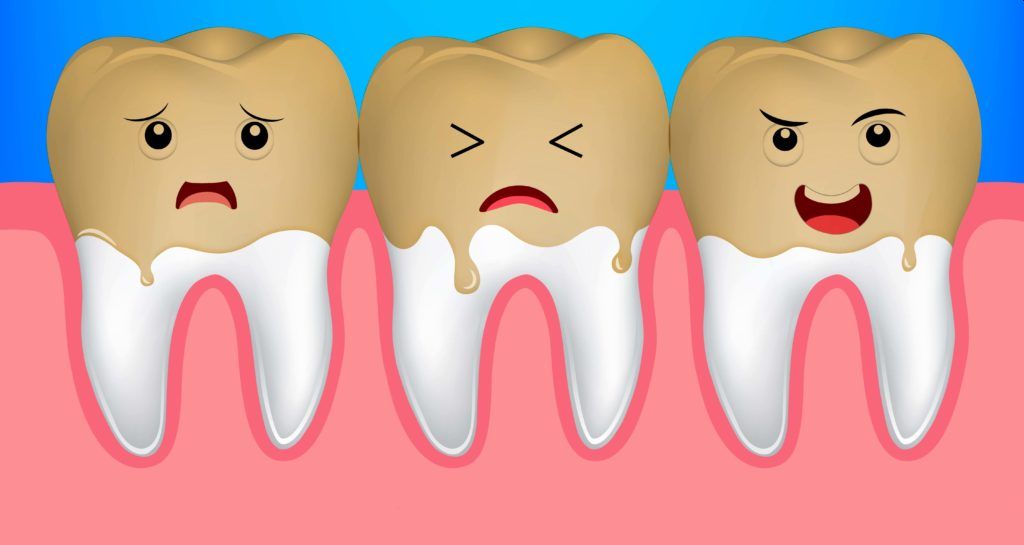
Surely you have always wanted to wear a bright white smile, but you have annoying dental stains that prevent it.

Our teeth may have different shades depending on factors such as natural wear, food or beverage dyes or improper oral hygiene.

Would you like to have them whiter? The best dentist in Delhi gives you some recommendations for you to get it. Do not miss it!

What types of dental stains exist?

There are several types of dental stains, and some are easier to remove than others. According to their typology, they can be:
  • Superficial stains: those that are found in the spaces between the teeth or on the surface of cracked pieces. They usually have a brown colour and are usually produced by the intake of food and colour drinks (coffee, tea, soft drinks...). They also appear for tobacco use. They can be removed with teeth whitening in Pitampura.
  • Intrinsic stains: they are in the dental structure itself and are usually gray. They have different causes: genetics, diseases, medications, etc... and are difficult to remove.
  • Soft deposits: they are normally white and settle on the outside of the enamel. The main cause is the accumulation of bacterial plaque in the mouth.

According to their colour, they are classified into:
  • Brown spots: they are the most common, and are produced by the consumption of tobacco, alcohol, coffee or tea. All these products alter the balance of the bacterial flora and favour the formation of plaque. They are usually the easiest to eliminate.
  • White spots: they can be caused by several causes, from poor nutrition, even as a result of tooth decay or excess fluoride during childhood. They are usually complex to remove.
  • Yellow spots: they are mostly linked to the consumption of acidic foods or some medications (tetracyclines).

How can I avoid the appearance of stains on the teeth?

We can take some preventive measures to avoid, as much as possible, that spots appear on our teeth:
  • Always brush your teeth after eating and drinking (especially if it's coffee or tea). If you can use an electric brush, floss and mouthwash, the better.
  • If you can't brush your teeth, rinse your mouth as soon as you finish eating or drinking.
  • Use toothpaste with a little teeth whitener.
  • Use a drinking straw to avoid contact of the liquid with the teeth.
  • Visit your dentist in Delhi regularly (every 6 months) to perform a dental prophylaxis.
  • Avoid the consumption of tobacco, coffee, tea, wine, soft drinks and food with too much colour.

I have stains on my teeth; How can I remove them?

As we have seen before, dental stains have different origins and causes and, depending on what type your dentist in Rani Bagh can propose the right treatment for you.

We recommend that you make an appointment at the dental clinic in Rani Bagh so that we can assess your specific case.

In general, some of the treatments that are usually carried out to remove dental stains are:

Dental prophylaxis

It is the easiest and fastest treatment, with which you can get rid of the easiest stains to remove such as those caused by tobacco or coffee. This is a dental cleaning, about 50 minutes long, which also includes cleaning with a special paste and a bicarbonate air-polisher.

Teeth whitening

Thanks to a teeth whitening treatment in Delhi, you can remove the most complex stains and wear an even more radiant smile. We recommend a combination of treatment at home and in the clinic (with cold light lamp)

Veneers

Depending on the type of stains, these may not disappear with the treatments discussed above, and the only solution may be the use of dental veneers in Delhi. They can be porcelain or composite, and give very good results.

Thursday, 27 February 2020

Dental Caries: Types and Treatment

Caries

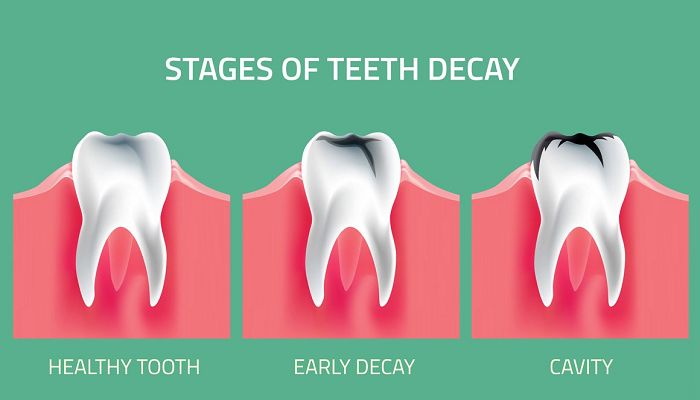
Dental caries is the gradual disintegration of dental tissues due to the incidence of bacteria that lodge on its surface. The destruction of the teeth by caries action is mostly given by the lifestyle, that is; In hygiene habits, the food we eat, the toothbrushes and toothpastes we use - or, we DO NOT use - and even the hereditary line can play a role in the sensitivity of tooth decay, explains the best dentist in Delhi.

Although children are more likely to get tooth decay because of their weakness in dairy - candy and also because the enamel layer is thinner.

Adults can also run the same risk especially if there is excessive consumption of caffeine and cigarettes.

To explain this, there are several types of dental caries that can affect people of different ages:

Types of dental caries

Crown caries: these are the most common type of caries. It can be visualized on the chewing surface, or between each of the teeth. It affects both children and adults.

Root caries: over the years, the gums are modified becoming less and less resistant, they gradually retract what the tooth root exposes and since they do not have an enamel coating, they are more susceptible to caries.

Recurrent caries: proliferate greatly on the crowns, since in these areas dental plaque accumulates more strongly.

In all these cases the level of severity is almost the same. If cavities are not treated in time, the next thing that happens is that they will end up damaging the teeth from the inside to the outside. Within that period the so-called abscesses (infection at the root of the tooth) can be formed. For these cases the only viable treatments are surgery, and endodontics (Root Canal Treatment in Rani Bagh).

Causes

In adults, a disorder that can lead to tooth decay is dry mouth. This disorder can be caused by the consumption of medications or by radiation therapy treatments in cancer patients.

Dental caries can be aggravated according to the patient. If oral care is minimal, the next thing that happens is that the person experiences an increase in the number of cavities.

When dental plaque is formed and it is not eliminated with good hygiene habits, cavities get stronger. It is advisable to have an annual consultation or twice a year with the dentist in Rani Bagh to prevent gum disease, enamel loss and tooth decay.

The types of caries can be identified by the dentist with the use of X-rays at the dental clinic in Rani Bagh.

Causes of tooth decay

The formation of caries is progressive, it is given according to the habits of each person. That said, then some of its causes are mentioned:

Plate Formation:
It is a thin transparent mantle that covers the denture, it is created with the excessive consumption of sugary foods and drinks combined with poor oral hygiene, two aspects that if they come together lead to the formation of tartar that accumulates in the bases of the gums as a strong barrier that hinders the destruction of the bacteria that cause many oral diseases.

Plaque Attacks:
The acidic elements that make up the dental plaque destroy the enamel minerals, causing erosion of the teeth. By crossing this first barrier, the bacteria form a chorus around the dentin, a thinner layer that is not very resistant to acids. The dentin is designed to house tiny ducts that connect it to the nerve of the tooth causing extreme sensitivity to food temperatures and flavors.

Continuous Destruction:
The critical stage in the progress of caries is when they happen to enter the inside of the tooth where the “pulp” is located or what is equal the amount of vessels and nerves, in this period the person experiences a greater degree of pain and inflammation due to the spread of the infection throughout the tooth.

Treatment

The treatment is subject to the phase in which cavities are found, so it is essential to have a consultation every so often to avoid problems of major caries.

When it is an initial caries, the specialist removes the affected area with the help of tools and places a filling in the treated area.

On the other hand, if tooth decay has invaded the dental pulp, the dentist in Delhi proceeds to perform a root canal treatment, getting rid of the nerve.

And for the most critical cases, the dentist can remove the affected tooth and replace it with a piece that suits the patient.

Hygiene is a key point in the prevention of dental caries. Brushing your teeth properly and after eating food and before going to sleep is the first step to attack the root problem, avoiding the accumulation of plaque and oral diseases.

Replacing the toothbrush every two or three months is another way to create a protective barrier on the teeth, this prevents the proliferation of bacteria on the bristles of the brush, and after a while it wears out and loses its function.

Choose a good fluoride toothpaste, as well as flossing and mouthwashes.

Avoid consuming sugary foods and drinks excessively. In addition, it is not recommended to eat them between meals as this exposes the tooth to the acid in the bacteria. That's why it's better to consume them outside of meals and brush your teeth after that.

The next step to prevent tooth decay is the custom of attending the dentist in Delhi at least once or twice a year.

This also depends on the recommendation made by the specialist. With a premature diagnosis, the need to have to undergo major treatments that can lead to extensive processes and higher costs is avoided.

Monday, 10 February 2020

What are dental veneers? What are they for? What are the advantages and disadvantages?

Dental-Veneers-in-Delhi

Dental veneers are one of the most recurrent dental beauty treatments. That's why, in today's post, the best dentist in Delhi is going to tell you what they are, what they're for, how they're placed, and what their pros and cons are.

What are dental veneers?

The dental veneer is a small, thin sheet of porcelain usually, although it can also be of other materials such as composite, which adheres to the front of the tooth to mask or cover problems.

Dental veneers, also known as dental facets or aesthetic veneers, are aesthetic reconstructions of porcelain (or composite) aimed at improving the external image of the denture, since they allow to visually modify the shape, brightness, color and mask various oral pathologies, explains the dentist in Delhi.

There are several types of dental veneers in Delhi, but the most well-known or used are:
  • Composite dental veneers: This is a non-invasive treatment, as these are made directly on our teeth, applying the material on the visible part and shaping it until the desired appearance is achieved. That is, layers of composite are added to the surface of the tooth. In addition, for placement it is not necessary to carve the tooth, making it possible for them to be placed without the need for anesthesia.
  • Porcelain dental veneers: This is a thin sheet of porcelain that is placed on the visible part of the tooth. Its functionality is to modify the appearance of the tooth in color, shape and brightness. In addition, they are resistant and allow to eat normally.

What are dental veneers for?

Dental veneers are an ideal choice in situations where the original teeth have a dark color and irregular shapes.

They are also a good choice for fractured teeth, gaps between the teeth and for some situations where the position of the teeth is compromised and there are minor problems related to occlusion.

For some people, surface stains don't respond well to tooth whitening. In these situations, a porcelain veneer may also be the best option.

That is why dental veneers have as their main function the dental aesthetic, since they allow to coat the dental parts making see a perfect denture.

But, yes, it is not a solution to oral health problems, since it is only an aesthetic treatment that masks but does not solve those problems, says the dentist in Delhi.

How are veneers placed?

Unlike the holsters or crowns, where the reduction of healthy tooth tissue is very aggressive, to place veneers a slight spraying of the front enamel of the tooth will be enough to allow the adhesion of the dental veneer. So it is a much more conservative treatment.

Once the veneers are attached to the tooth, the tooth-veneer assembly acquires a fracture resistance comparable to that of an intact tooth. So, we could understand, that a ceramic dental veneer is the synthetic substitute for tooth enamel.

Before we start the dental aesthetic treatment, we perform a study of the aesthetics of your mouth that is according to the rest of your facial physiognomy. To do this we use photographs, technological applications such as Digital Smile Design and models of your mouth.

So we can show you a very approximate result of your final smile before we start.

Then we will only need 2 sessions for the placement of the veneers:
  1. First session: Once the treatment to be carried out has been agreed between the dentist in Rani Bagh and the patient, the preparation of the teeth and the molding of the mouth is carried out in order to make the veneers. On this same visit, a temporary veneers will be placed to avoid the deterioration of the preparation of the teeth.
  2. Second session: On this second visit to our dental clinic in Rani Bagh the dental veneers are attached one by one on the patient's teeth.
What are the pros and cons of dental veneers?

Unlike everyone, let's start with the drawbacks or disadvantages of aesthetic veneers, so that after reading the advantages a better taste of the mouth will be ;)

Inconveniences of dental veneers
  • Dental sensitivity: You may feel a little tooth sensitivity for the first few days after your treatment, as your teeth have been prepared to adhere to cosmetic veneers.
  • In case of breakage, wear or deterioration: If the damage is small, it can be repaired and modified. But in case there is a lot of damage, it is advisable to change the dental veneer. But for this to happen is very unusual.
Few inconveniences, huh?

Advantages of dental veneers
  • Natural and beautiful appearance: Being thin layers that are placed on the vestibular surface of the anterior teeth, they provide a natural and very beautiful appearance. In addition, with porcelain veneers, a natural glow is returned to the tooth.
  • Biocompatible material: Dental veneers are often made from biocompatible materials. This means that they are materials tolerated very well by the dental and non-dental tissues of our mouth.
  • Correction of alterations: These help correct alterations in the size, color and shape of the teeth. It can improve the color of teeth, may be an alternative treatment to orthodontics for mild tooth malposition and may help improve tooth size.
  • Highly resistant: Aesthetic veneers are very resistant and the patient's customs or habits are not altered by their placement.
  • It's a treatment with a very short process.

Friday, 24 January 2020

Basic tips before getting a Dental Implant

Although more than 80% of implants placed continue to function properly after 15 years, from the dental clinic in Rani Bagh they insist that the patient should follow some advice before deciding to have a dental implant.

Currently, dental implants are among the most reliable surgical techniques of all those performed in human beings. Despite this reliability, from the dental clinic in Saraswati Vihar, they insist that patients have to follow some basic tips that will help them choose the most suitable center and have some knowledge of what the surgical intervention they will undergo will be.

What should you know about dental implants?
They are metallic elements that are surgically placed in the jaws below the gums, restoring the lost dental parts. The implant fuses with the jaw bone, providing stable support for artificial teeth. An advantage of this procedure is that it does not require the wear of adjacent parts, explains the dentist in Delhi.

Dental implants act as substitutes for dental root. They are the basis on which crowns or prostheses can settle to replace teeth that have been lost. Although this is the ultimate goal, it is essential to sit calmly and plan in detail a treatment that is stable, functional and aesthetic in the long term before placing an implant.

The first thing the dentist in Rani Bagh will do will be a comprehensive, dental and periodontal medical history to assess possible interference between the patient's overall health status and implant treatment.

What is the initial phase of dental implant study and planning?
It is the moment when the implant team will advise you and give you all the information you need. Keep in mind that treatment with osseointegrated dental implants is simple, but of high technical complexity. It must be well studied and planned.

This phase aims to:
  • Provide information about the implants or the type of prosthesis indicated.
  • Help choose the ideal time to perform the treatment.
  • Individually check the oral and general health status of the patient for possible risks or contraindications of the treatment to be performed.
  • Inform the patient of the appropriate treatment plan.
  • Prepare the recovery of your comprehensive health, guiding you on other possible treatments that you may need, whether dental (periodontal, restorative...) or general.
With all the information provided by the patient's models, the scanner or x-ray, the patient's medical history, the patient's mouth, and what the patient demands or expects from treatment, the dentist in Saraswati Vihar can predictably plan the number and location of dental implants, as well as the shape, size, and orientation of the final restoration.

According to the Best Dentist in Delhi, "the treatments with Dental Implant in Pitampura that we perform have worked very positively and with very good results, both in duration, comfort, reliability, and aesthetics. To achieve these results, patients should follow some basic tips before having a dental implant, so that the whole process, from start to finish, goes smoothly."

Therefore, the dentist in Delhi recommends following some basic tips:
  • Choose a trusted and referenced dental clinic.
  • Have direct dealings with the dentist and absolute trust in who will perform the surgery.
  • Establish a close and mutually trusting relationship with the dental implantologist in Pitampura.
  • The chosen center must report all possible treatments, from the number of implants to the type of prosthesis, either removable or fixed.
  • The patient must be informed of the type of implant to be carried and the trademark, as well as the type of prosthesis the material from which it is made.
  • Another factor to consider is the time, from the beginning of the surgery phase to the time of implanting the parts. To shorten the patient's stay at the center and reduce their distress and stress.
  • Likewise, the patient must know at all times what is going to be done in his mouth and what the waiting time will be. On the other hand, the aesthetics are also of concern and that is why the client has to know if after surgery and until the time of the implant will be able to wear a prosthesis or not.
Another important aspect is that the patient must be informed about any setbacks that may arise with the implants.

Friday, 17 January 2020

Stains on Teeth: Causes and How to Remove them?

Dental-Stains

The stained teeth affect dental aesthetics is one of the major dental problems, which may appear due to poor hygiene, drugs or genetic. The dentist in Delhi explains to you the main causes and how to eliminate them.

Types of stained teeth

Dental stains can affect temporary teeth or permanent teeth, however, depending on the color in which they occur you will know the cause that originates them. The main ones are the following:

White spots
  • Caries
In the initial stages of tooth decay, the tooth is observed with a white spot due to the demineralization of the enamel, which can be treated by applying a special fluoride that stops its progress.
  • Fluorosis
These white spots are easily identified by the mottled appearance they present. This condition is due to excess fluoride that is applied in childhood and that remains until adulthood. In addition, in certain states of the country, water contains large amounts of fluoride, which when ingested end up affecting the teeth.

Brown spots
  • Harmful eating habits
The brown spots are superficial and commonly adhere to the inside of the teeth. They are caused by consuming drinks such as coffee, red wine, cola, and in the case of tobacco, nicotine and tar produce alterations in their original color.

Gray spots
  • Trauma
When a tooth receives a blow due to a fall, a car accident or fight, it changes color to a grayish tone as a result of pulp necrosis (nerve death). Sometimes it can cause pain when chewing, being necessary a root canal treatment in Pitampura to relieve the discomfort.

Black spots
  • Mouthwash
The consumption of an antibacterial substance such as chlorhexidine found in certain dental rinses can cause black spots due to misuse. The appearance of these will depend on certain factors such as:
  • Chlorhexidine concentration
  • Treatment duration.
Therefore, it is important to follow the instructions of the dentist in Rani Bagh to avoid stains that affect your dental aesthetics.
  • Tartar
It is very common for patients suffering from gum diseases such as periodontitis, to have black spots due to dentobacterial plaque turned into tartar that adheres to the surfaces of their teeth causing bad breath and even bone loss, says the dentist in Saraswati Vihar.

Green spots
  • Poor hygiene
Green spots are on the necks of the teeth, observed mainly in children and adolescents for poor dental hygiene.

By not brushing the bacteria remain on the teeth and gums for a long time, allowing the substance phenacetin produced by the decomposition of blood in the gums, staining your teeth with a green tone.

Yellow spots
  • Dentobacterial plaque
The main cause of the yellow spots on the teeth is the dentobacterial plaque, caused by the breakdown of food debris that combined with an incorrect brushing technique begins to change the tone of the teeth.
How to remove stains on teeth?
  •  Dental cleaning
Professional dental cleaning involves removing stains, dentobacterial plaque and tartar below the gums. The dentist in Delhi recommends it every 6 months to maintain healthy gums, as well as white and toothless teeth.
The best dentist in Delhi explains the importance of this treatment.
  • Teeth whitening
The teeth whitening in Pitampura is a dental treatment comprising applying cosmetic active ingredients to penetrate the enamel, removing stains inside and outside of the teeth, looking white teeth and leaving a brighter smile.
  • Dental veneers
The dental veneers in Delhi are thin foils acting as covers, in order to cover the teeth spots occur which can not be eliminated with tooth cleaning medicinally or excess fluoride.

Sunday, 12 January 2020

Dental Checkups: why are they so important?

Dental-Checkup

Many people only remember going to the dentist in Delhi when they have mouth problems. However, this bad habit of not having dental checkups could be detrimental not only to your dental health but also to your general health.

In fact, the mouth is a window to the general health of the body: it reflects the general state of health. Certain diseases can be discovered through a Complete Oral Exam at dental clinic in Rani Bagh, even before symptoms appear in other parts of the body. In addition, in the mouth we can see some lesions that can alert us about vitamin deficiencies, lack of minerals or nutritional deficiency states.

The association between oral microbial infections such as periodontopathies and systemic disorders is not a new concept. Today we have a large amount of evidence that highlights the association between oral health and a wide variety of diseases, explains the dentist in Rani Bagh.

Gum disease

The gums should not bleed when you brush your teeth or floss. Bleeding in these cases shows a possible gum disease.

Gingivitis, the mildest presentation of gum ailments, arises in response to plaque that is formed by bacteria between teeth and gums. If the plaque expands, the immune response increases and can destroy the tissues and bones in the mouth, causing spaces between the teeth that can become infected. In this case, the gum disease is called Periodontitis, which can become chronic, warns the dentist in Delhi.

Tooth drop

Both tooth decay and gum disease can cause tooth loss, says the oral surgeon in Pitampura.

Bad breath or halitosis

Bad breath affects about 65% of the population. Halitosis can be a symptom of a large number of diseases, but the number one cause is poor dental hygiene.

Pregnancy complications

Gingivitis affects between 60 and 70% of pregnant women. When pregnant women have serious dental problems, their babies are more likely to develop cavities. In addition, poor maternal dental health is also associated with advanced births and low birth weight.

Diabetes

Dentists have long known that diabetes is a risk factor for periodontitis. However, recent studies indicate that this relationship could be bidirectional. Poor dental health can also be a risk factor for insulin resistance and diabetes. Some studies have even indicated that in patients suffering from both diseases, resolving periodontitis can improve diabetes control, says the dentist in Saraswati Vihar.

Stomach ulcers

In people with periodontitis, plaque that forms in the spaces under the gums can become a reservoir of Helicobacter pylori, the bacteria responsible for stomach ulcers. This bacterium can be transmitted orally, and large epidemiological studies have found a relationship between periodontitis and the positive test for this bacterium, which is also a risk of stomach cancer.

Cancer

Gum diseases and dental problems are also associated with the human papillomavirus, HPV, which causes almost 80% of oral cancers. Other research has suggested that periodontitis can promote the growth of cancer cells in the mouth.

As you can see, dental check-ups at dental clinic in Saraswati Vihar not only help you to
  • Maintain an attractive and healthy smile
  • Maintain the functionality of the organism
  • Save costs in dental treatments
They are also indispensable for your overall health.

Monday, 6 January 2020

VENEERS: ADVANTAGES AND TYPES

Dental Veneers

The dental veneers are thin foils of composite or porcelain fixing in the outside of the tooth. It is an aesthetic treatment that allows you to get a perfect smile. With this technique, it is possible to correct certain deformations and irregularities, such as broken, short or small teeth. Also, the pieces rotated or inclined. Excellent results are achieved, with a method that is neither invasive nor aggressive. In the following article by the dentist in Delhi you will know more details about them.

Advantages of dental veneers
  • It is not an aggressive treatment. Due to its characteristics, its placement only implies a slight carving of the tooth and in some cases, it may not even be necessary, explains the dentist in Rani Bagh.
  • You get a natural look. As they are ultra-thin, they are barely perceived. A natural result is achieved, only those who appreciate the great change that has occurred in the smile will realize that the treatment has been performed.
  • It is a quick treatment at the dental clinic in Rani Bagh. In the case of composite dental veneers, only one session is necessary. While in one of the porcelain in three visits the final result will have been reached.
Types of dental veneers

Once you know its main advantages, we show you the two types of dental veneers in Delhi that we offer you.

Composite dental veneers
To make composite dental veneers a resin-derived material is used, which can be molded and mimicked 100% with the patient's teeth. It is not an invasive technique, since to place each veneer you hardly have to touch the outer surface of the tooth. They are perfect when you want to correct slight color, position or shape alterations.

This type should be checked every year by the dentist in Saraswati Vihar, since it is a less stable material than ceramic. This fact may lead to a slight change in color over time. In this review, any alteration that has occurred can be repaired. They are placed in a single session, since the resin is molded on each piece until the desired shape and color is achieved. It is a material that mimics the tooth, and adheres using a special light source, which allows the paste to harden and stick to each piece. We emphasize that it is a painless technique, since it almost does not touch the tooth. Therefore, in most cases it is not necessary to use anesthesia.

Porcelain Dental Veneers
Porcelain veneers offer a higher quality than composite veneers. Their main advantage is that once they are placed, they hardly need maintenance. In addition, the results achieved are more natural and also last longer, explains the best dentist in Delhi.

The porcelain veneers are made taking into account the needs of each patient. Unlike the composite ones, more than one appointment is needed for this technique. These are the steps that are followed until completing the treatment:

1st visit. In the first visit each patient is studied individually, photographs are taken and videos are recorded to design their ideal smile. The measurements are taken and a mold is removed to obtain a provisional model, before the final one.
2nd visit. The tooth is superficially carved to adapt the piece to the porcelain used. The patient will leave the clinic with provisional veneers.
3rd visit. The final porcelain dental veneers are placed.

It is true that the price of porcelain veneers is higher than that of composite parts, but it is not less that they offer a higher quality result. They are the perfect option in these cases:
  • Dental fractures
  • Short teeth
  • Microdontia (teeth with a size smaller than the rest).
  • Cone teeth (cone-shaped incisors).
  • Major color changes.
  • Dentures that have previously been restored with composite.
  • Complete remodeling of the smile.
If you want to show a perfect smile, veneers are the best option. Request your appointment now, at dental clinic in Saraswati Vihar we will study your case and give you the solution you need.